
Lieferung heute & morgen

Qualitätsgarantie

Willkommens-Angebote freischalten: KOSTENLOSE Lieferung | Bis zu 80 % RABATT | Kostenlose 30-Tage-JoyPlus-Testphase
App herunterladen
Tired-looking eyes, dry skin, fine lines or puffiness can quickly lead to a confusing product comparison. An eye serum can be a targeted addition to your skincare routine, but not every product suits every skin type or care goal. What really matters is less about big marketing claims and more about the specific formulation, how you use it, and how well your skin tolerates it.
Pearlescent pigments, light-reflecting particles or a cooling metal applicator can make the eye area look fresher immediately. However, they don't automatically change your skin's structure. When choosing a serum for dark circles, you should check whether the effect is mainly visual or whether it also contains nourishing ingredients like niacinamide, caffeine or hyaluronic acid.
An anti-ageing eye serum might contain peptides, retinoids, vitamin C or simply hydrating ingredients. These active ingredient groups have different properties and application requirements. A retinol eye serum, for example, isn't automatically suitable for morning use. If you have sensitive skin, you should examine the formula particularly carefully.
A high price doesn't automatically mean a higher concentration of active ingredients. So compare the net fill volume, dosage recommendation, packaging and ingredient list. Formulations can change, so the INCI list on the packaging you receive is what counts.
Light gel or serum textures tend to absorb more quickly and work well under a day cream. Richer formulas can feel more comfortable for dry or mature skin. Cooling roll-on applicators mainly help with even, gentle distribution. Don't apply too much pressure, as the skin around the eyes is delicate.
Look out for indications like fragrance-free, known allergens and potentially irritating ingredients. With retinoids, alcohol or fragrances, it's a good idea to do a patch test on a small area of skin. The serum is usually applied after cleansing, in a small amount along the bony eye socket. Avoid direct contact with the eyes. If you experience redness, stinging or a rash, stop using it.
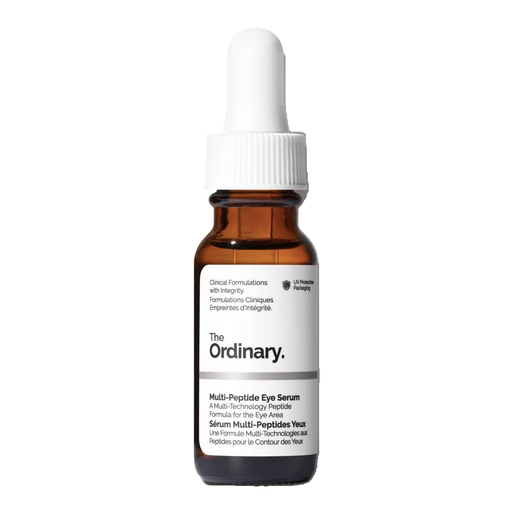
Why this product fits the profile: The water-based formula contains multiple peptides, niacinamide, caffeine and hydrating ingredients. This makes it suitable for beginners who want to compare different active ingredient groups.
The ingredient list names the specific peptides included and doesn't rely on a purely visual instant effect as its main feature.
15 ml content; peptide, niacinamide and caffeine formula; suitable for morning and evening use according to product information.
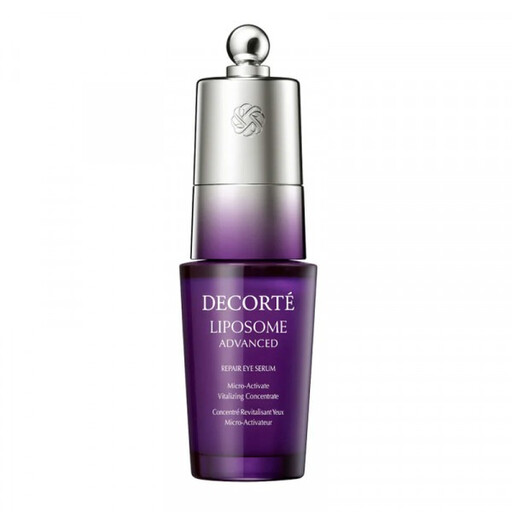
Why this product fits the profile: If you value a detailed description of texture and a comprehensive formula, this product features ceramides, sodium hyaluronate and liposomal technology in its product information.
The choice can be evaluated based on its 20 ml content, named ingredients and clear instructions for use around the eye area.
Ceramides and sodium hyaluronate; 20 ml content; suitable for morning and evening use after cleansing.
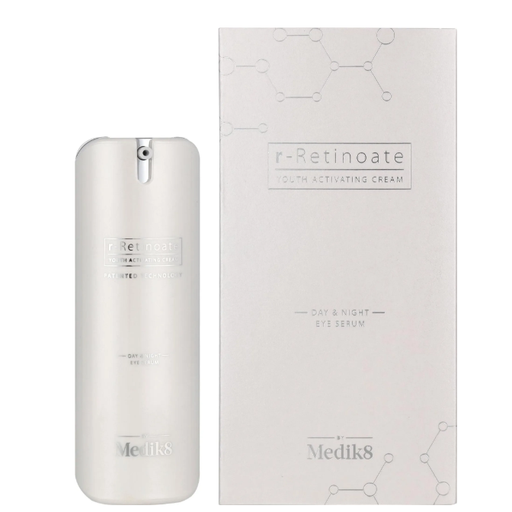
Why this product fits the profile: The large fill volume and combination of retinyl retinoate, hyaluronic acid and caffeine are designed for users who prefer a consistent routine.
The retinoid active ingredient used is explicitly named. This makes it easier to distinguish the formula from purely hydrating serums.
50 ml content; retinyl retinoate and hyaluronic acid; suitable for morning and evening use according to product information.
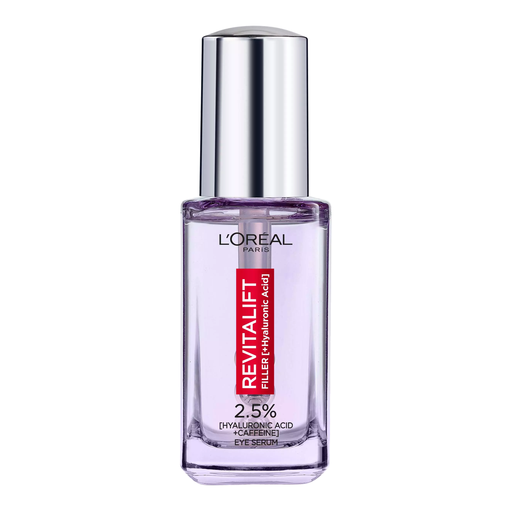
Why this product fits the profile: According to the product description, the formula combines 2.5% hyaluronic acid, niacinamide, vitamin C and caffeine. The roll-on applicator is designed for easy morning and evening use.
The visual and cooling application is complemented by clearly named moisturising and nourishing ingredients. However, the applicator doesn't replace checking your personal tolerance.
20 ml content; fragrance-free product claim; roll-on with three stainless steel balls; hyaluronic acid and caffeine.
Apply an eye serum after cleansing and, if you use one, after a toner. A small amount is enough. Use your ring finger to gently pat the product along the bony eye socket. Products containing retinoids should be introduced according to the manufacturer's instructions. A suitable sunscreen should be part of your daytime routine.
Store the serum in a cool, dry place away from direct sunlight. You'll find the specific expiry date, batch number and, where applicable, the period after opening on the packaging. Don't continue using an opened product if the smell, colour or consistency has noticeably changed.
We've put together a complete, regularly updated list of products that fully meet these strict selection criteria and the safety regulations in force in the EU.
That depends on the specific formula. Hydrating products are often used morning and evening. With retinol, retinal or retinyl retinoate, you should first follow the manufacturer's instructions and gradually increase use if needed.
An eye serum can hydrate the skin and temporarily make the eye area look fresher. Caffeine, cooling applicators or light-reflecting pigments are often used for this purpose. However, dark circles can have different causes, and a cosmetic product can't always address them.
The printed expiry date and the indication of shelf life after opening are what matter. Store the product according to the manufacturer's instructions and apply it with clean hands or a hygienic applicator. If irritation occurs, stop using it regardless of how long it's still good for.