
Lieferung heute & morgen

Qualitätsgarantie

Willkommens-Angebote freischalten: KOSTENLOSE Lieferung | Bis zu 80 % RABATT | Kostenlose 30-Tage-JoyPlus-Testphase
App herunterladen
An eyeshadow palette can simplify your everyday eye make-up looks, or quickly end up unused in a drawer if the colours are unsuitable. That is why choosing one involves more than just product photos and marketing claims. Colour harmony, texture, finish, packaging size and how often you are actually likely to use the palette are all important considerations.
A large number of colours may initially seem versatile. However, with a 54-colour eyeshadow palette, many shades may look similar or only work for very specific looks. If you mainly wear natural eye make-up, you will often use a compact palette with coordinated beige, brown, rosy or taupe shades more regularly.
A highly pigmented eyeshadow delivers plenty of colour with only a small amount of product. This can be useful for intense looks, but it may sometimes make it harder for beginners to control the application. For an everyday shade, buildable formulas are often more practical. Pigmentation can also vary depending on whether the shade is matte, shimmery or glittery.
Digital product photos show colours differently depending on the lighting, screen and image editing. A palette with matte and shimmery eyeshadows is often more versatile than a collection featuring just one finish. It is also important to check whether the description provides specific information about texture, application and ingredients. If you have sensitive eyes, check the full ingredients list on the packaging.
Do not just consider the number of shades; look at how well they can be combined with one another. A wearable eyeshadow palette should include several colours that blend together without creating harsh transitions.
Matte shades are typically suitable for defining the eyes and creating subtle looks. Shimmery or glittery shades add highlights to the mobile eyelid. An easy-to-blend eyeshadow can be built up gradually and softened with a clean brush. However, terms such as ‘blendable’ or ‘smooth’ should not be the only deciding factors. Also look for details about the powder texture and recommended application.
Compact packaging is practical for use on the go, while larger palettes offer more choice but require more space. Check the following:
With cosmetic products, pay attention to the batch number and expiry information on the packaging. Stop using the product if irritation occurs.
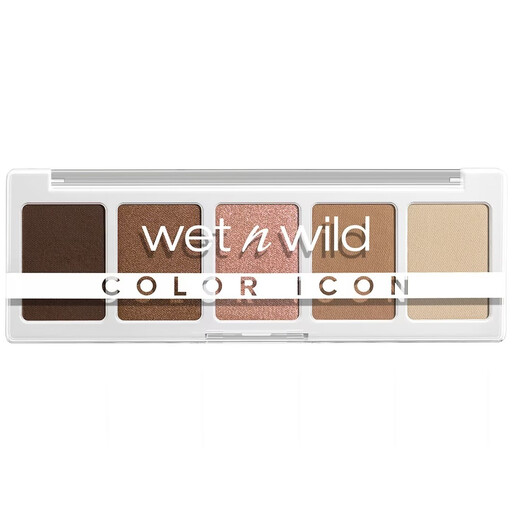
Why this product suits this profile: This 5-colour eyeshadow palette combines peach and brown shades in a compact format. It is described as suitable for dry or damp application, making it suitable for both subtle looks and more intense accents.
The limited colour selection reduces the risk of buying trend shades that end up unused. The product description specifically mentions matte, shimmery and glittery finishes.
Five finely milled powder shades, a vegan product claim and a fragrance-free formula according to the description.
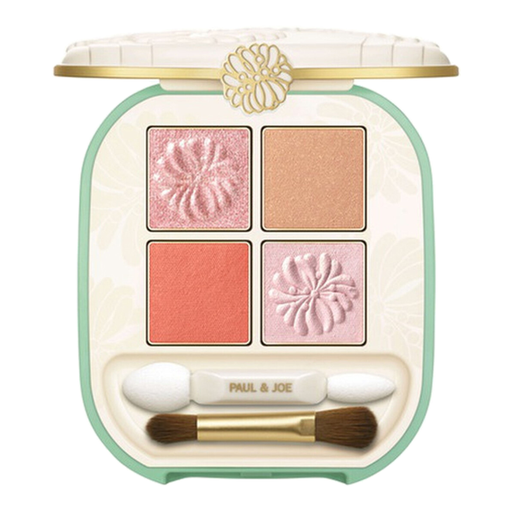
Why this product suits this profile: Four coordinated, wearable shades suit a pared-back routine and can be applied with varying intensity for daytime or evening looks.
The selection focuses on a clearly defined colour harmony rather than an overwhelming number of shades. The description mentions a buildable, blendable texture.
Four shades, 4 g of product and a finely milled powder texture with pigments, talc and mica, according to the product description.
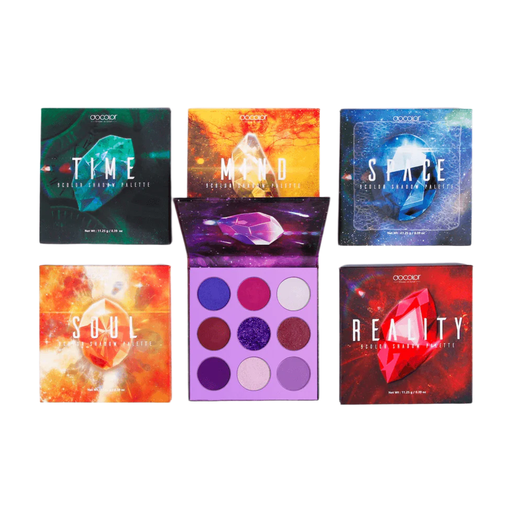
Why this product suits this profile: According to the product information, the palette contains 54 shades. It is aimed at users and make-up artists who want to create bold, creative or highly colourful looks as well as everyday styles.
The extensive selection makes sense if you regularly use different colour families. For basic looks only, however, this format may offer more than you need.
According to the product description, 54 shades, plus matte, shimmery and richly coloured options, with a formula described as blendable.
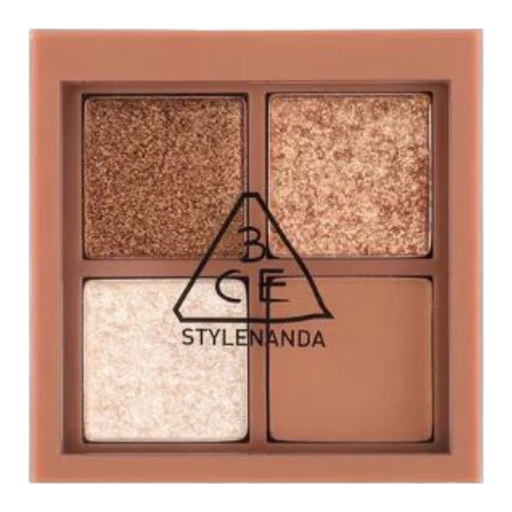
Why this product suits this profile: The mini format is designed for travel, the office and quick touch-ups. Its four reddish-brown and pearlescent shades are suitable for natural, soft looks.
The four clearly defined shades prevent a large palette from becoming cumbersome or taking up too much space when you are out and about.
Compact four-colour format, a moisture-retaining formula according to the product description, and application with a brush or fingertips.
Start by applying a small amount of the lightest shade to the eyelid. The medium shade can be used as a transition colour in the crease. Use the darkest shade to define the lash line carefully. Shimmery shades should be applied selectively rather than necessarily across the entire eyelid.
A clean, dry blending brush helps soften harsh transitions. With highly pigmented shades, it is best to pick up a small amount of product first and build up the colour gradually. Brushes should be cleaned regularly and not shared with other people.
We have put together a complete, regularly updated list of products that fully meet these strict selection criteria and the safety regulations applicable in the EU.
A 4-colour eyeshadow palette or 5-colour eyeshadow palette with coordinated matte and shimmery shades is usually easy to use. Ideally, it should contain a light base shade, a transition shade, a darker colour and an accent shade.
The exact shelf life depends on the information on the packaging, the batch number and the symbol indicating the period of use after opening. Store the palette in a dry, closed place away from direct sunlight. If the smell, colour or texture changes, stop using the product.
The price depends on the brand, product quantity, packaging, number of colours and finish. Do not compare prices based solely on the number of shades: a smaller palette with colours you use regularly may be more economical for everyday use than a very large selection containing many unused shades.