
Lieferung heute & morgen

Qualitätsgarantie

Willkommens-Angebote freischalten: KOSTENLOSE Lieferung | Bis zu 80 % RABATT | Kostenlose 30-Tage-JoyPlus-Testphase
App herunterladen
A face cream should deliver moisture, support the skin barrier, and fit comfortably into your daily routine. Yet the choice can often feel overwhelming: a moisturising face cream may be suitable for dry skin, while a light gel cream works better for oily or blemish-prone skin. Terms like “anti-ageing”, “glow” or “brightening” don’t automatically mean a formulation is right for every skin type.
As a Joybuy Product Recommendation Officer, I filter the most important product details and organise them according to clear, understandable criteria. This makes it easier for you to see which face cream matches your individual needs and which marketing claims deserve a closer look.
“Brightening face cream”, “anti-ageing cream” or “Korean face cream” are product categories to start with, but they don’t guarantee a suitable texture. Dry skin often needs richer care. For oily skin, a light, oil-free formula can feel more comfortable. Sensitive skin may react to fragrances, essential oils or a high number of active ingredients.
A retinol cream or a cream containing salicylic acid shouldn’t automatically be applied generously morning and night. Retinoids and acids can irritate the skin. What matters is using a small amount, starting slowly, and wearing appropriate sun protection during the day. If you experience redness, stinging or excessive dryness, pause the application.
Product names often only hint at the desired skincare goal. The actual ingredients list shows whether, for example, glycerin, hyaluronic acid, ceramides, niacinamide, retinol or salicylic acid are included. You should also look out for fragrances and essential oils if you’re searching for a face cream for sensitive skin.
A hyaluronic acid cream supports the moisture levels of the skin’s surface. A ceramide cream is worth considering when the skin barrier is your main focus. Niacinamide is often used in formulations for a more balanced-looking complexion and barrier care.
With a cream for dark spots or a brightening face cream, pay close attention to the specific ingredients. Alpha-arbutin, niacinamide and vitamin C derivatives are examples from this product category. Daily sun protection is an essential part of any routine aimed at a more even skin tone.
Retinol-containing products are usually used in the evening and should be dosed according to the manufacturer’s instructions. With creams containing acids or retinoids, daily sun protection is especially important. Also check the PAO symbol, the expiry date and storage instructions. Jars can come into more contact with air and fingers during frequent use; tubes often allow for more precise dispensing.
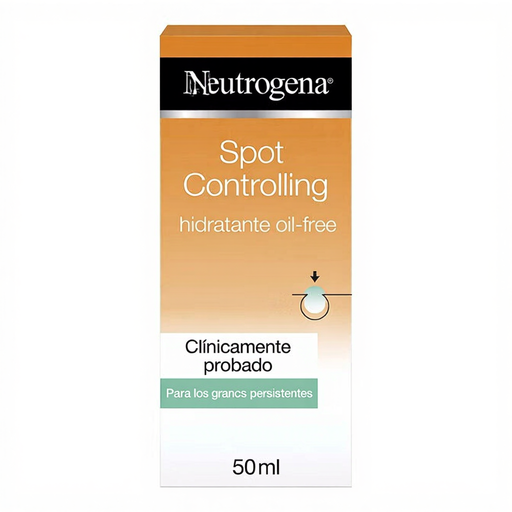
Why this product fits the profile: The oil-free texture and compact 50 ml size make it ideal for a straightforward routine for oily or blemish-prone skin.
The INCI list includes glycerin, niacinamide, salicylic acid and zinc PCA. This allows you to assess the formulation more specifically than by the product name alone.
Oil-free cream with glycerin, niacinamide and salicylic acid; the manufacturer advises reduced use if irritation or flaking occurs.
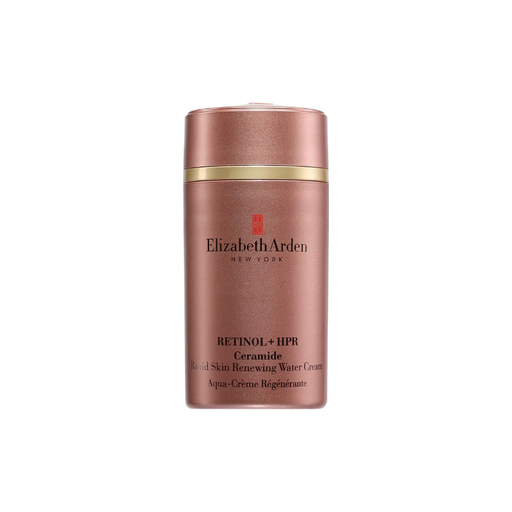
Why this product fits the profile: The combination of retinol, HPR and ceramides appeals to buyers looking for a clearly defined anti-ageing and skin barrier profile.
The active ingredient combination is clearly stated. Evening use and the recommendation for sun protection help prevent overuse.
Light, water-based texture; ceramides to support the skin barrier; retinoids require gradual introduction.
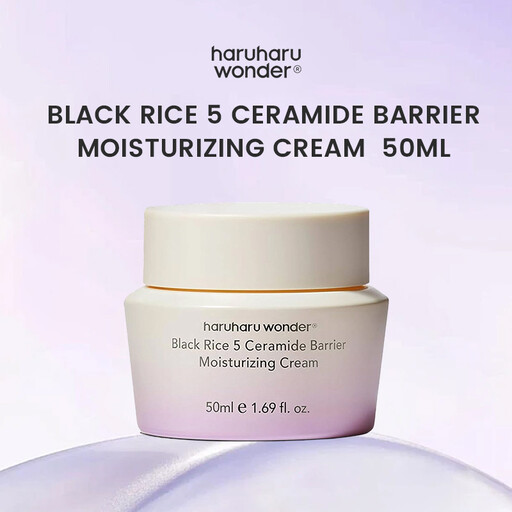
Why this product fits the profile: Daily use morning and evening, plus the focus on ceramides, suits a regular barrier routine for dry or sensitive skin.
The emphasis is on a defined ceramide complex rather than a vague “glow” promise. The product description also mentions allantoin and vitamin E.
5-ceramide complex; 50 ml size; according to product information, suitable for all skin types including sensitive skin.
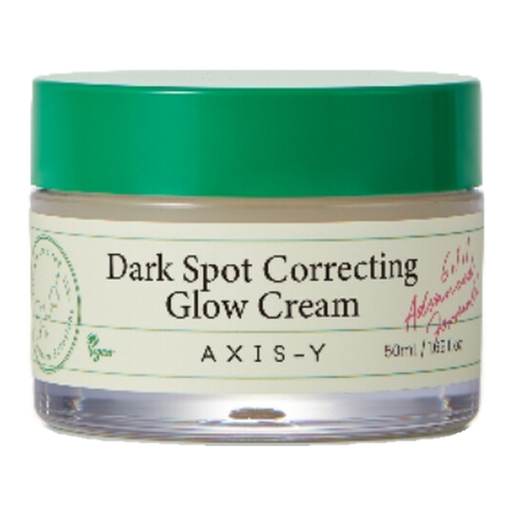
Why this product fits the profile: The gel-like texture and listed active ingredients target buyers who want to combine hydration and care for an uneven-looking complexion.
The product details list 2% alpha-arbutin, 5% niacinamide and ceramide NP. This allows buyers to base their choice on concrete parameters.
Gel-to-water texture; niacinamide, alpha-arbutin and ceramide NP; according to the product description, fragrance-free.
We’ve put together a full, regularly updated list of products that fully meet these strict selection criteria and the safety regulations in force in the EU.
For dry skin, richer formulations with glycerin, hyaluronic acid, ceramides, shea butter or plant oils are often a good choice. Apply the cream to slightly damp skin and see whether tightness or dry patches improve. If you have sensitive skin, also check for fragrances and essential oils.
Follow the PAO symbol on the packaging, for example “12M” for twelve months after opening. Store the cream according to the manufacturer’s instructions, usually in a dry, cool place away from direct sunlight. If the smell, colour or consistency changes noticeably, stop using the product.
That depends on the formulation and your skin’s tolerance. Start with a few applications per week and use only a small amount. If irritation occurs, reduce the frequency or take a break. Retinol-containing products are typically applied in the evening; appropriate sun protection should be part of your daytime routine.