
Lieferung heute & morgen

Qualitätsgarantie

Willkommens-Angebote freischalten: KOSTENLOSE Lieferung | Bis zu 80 % RABATT | Kostenlose 30-Tage-JoyPlus-Testphase
App herunterladen
A face cream should suit your skin, skincare routine and everyday life. However, attention-grabbing claims, pleasant textures or a well-known brand name do not automatically lead to the right purchase decision. If you want to buy a face cream, you should first consider your skin’s needs and then check the complete product information.
A moisturiser for the face may contain water-binding ingredients such as glycerine or hyaluronic acid. For dry skin, replenishing ingredients such as oils, shea butter or squalane also play a role. Oily or blemish-prone skin, on the other hand, often needs a lighter gel or fluid texture. A rich cream may feel uncomfortable on this type of skin, while a very lightweight formula may not feel sufficiently nourishing on dry skin.
Niacinamide, salicylic acid, Centella asiatica and retinol are common ingredients in modern skincare. However, the complete formula is what matters. Fragrance, alcohol and essential oils may be relevant considerations for some people. Even a well-known active ingredient alone does not indicate whether a face cream will be suitable for your individual skin tolerance.
A day cream with a stated sun protection factor does not automatically replace every type of sun care you may need. If you use products containing retinol or acids, you should consider daytime sun protection suitable for your circumstances. The information on the packaging and product page is the deciding factor.
First, identify your main skincare goal:
With a retinol cream, the concentration is an important point of comparison. According to its product description, The Retinol 0.1 Cream contains 0.1% retinol. A gradual application routine is recommended there for beginners. Retinol should not be combined directly with several potentially irritating products without taking your own skin tolerance into account.
Formulas containing acids also require cautious use. According to the stated INCI list, Garnier Pure Active Mattifying Air Cream contains, among other ingredients, salicylic acid, lactic acid and niacinamide. This type of formula may be interesting for oily or blemish-prone skin, but it is not automatically suitable for every sensitive skin type.
Check the following before buying:
The following recommendations categorise products based on their product description, ingredients, texture and stated intended use. They do not constitute medical advice.
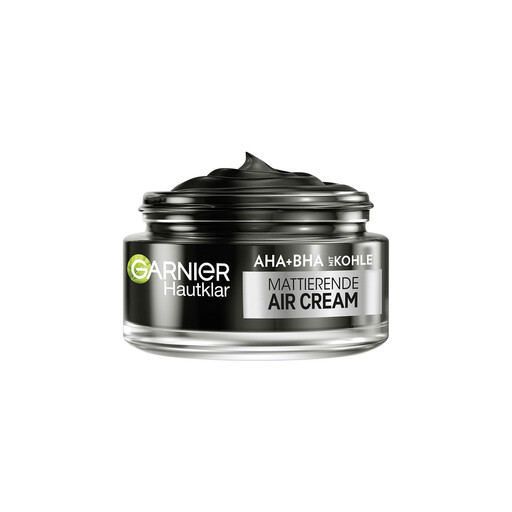
Why this product suits the profile: The lightweight gel texture and stated mattifying properties suit people looking for straightforward care for oily or combination skin.
The choice is based not only on the word “mattifying”, but also on the stated INCI list containing niacinamide, salicylic acid and lactic acid.
50 ml contents, a lightweight gel texture and, according to the product description, up to 48 hours of moisturising care.
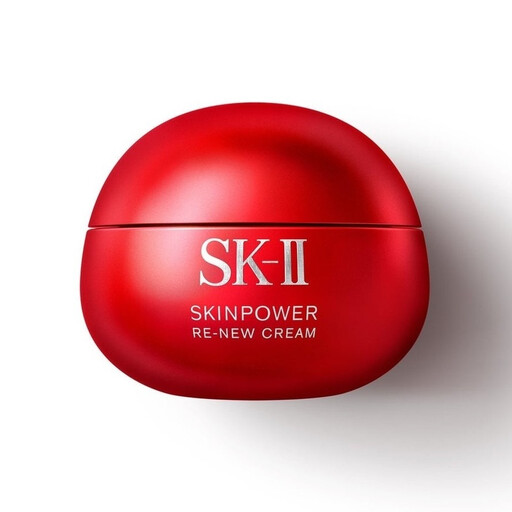
Why this product suits the profile: The large 80 g jar and rich formula are ideal for people who prefer an established premium skincare routine.
The selection takes the specific quantity into account, as well as ingredients named by the supplier, such as Pitera, Korkuma acid and peony extract.
80 g contents and a formula designed to provide moisture and leave skin feeling smooth, according to the product description.
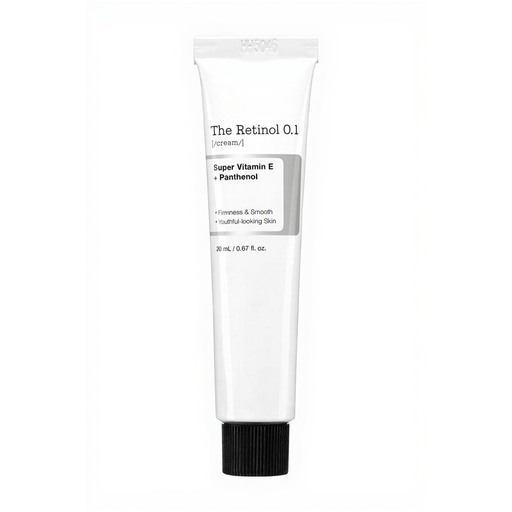
Why this product suits the profile: Its stated retinol concentration and gradual application routine are aimed at people who want to introduce retinol into their skincare routine thoughtfully.
The 0.1% concentration is clearly stated. The product information also recommends increasing use gradually and stopping if irritation occurs.
Retinol 0.1%, panthenol and adenosine according to the product information; 20 ml contents for targeted use.
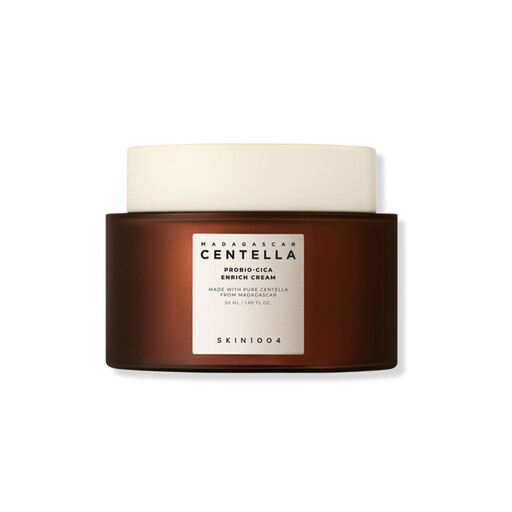
Why this product suits the profile: The rich texture containing Centella ferment, ceramide NP and plant oils may appeal to people with dry skin or skin prone to feeling tight.
Rather than relying solely on a marketing promise of “barrier protection”, the stated ingredients list confirms the presence of ceramide NP, panthenol and Centella ferment.
50 ml contents, stated by the supplier to be free from artificial fragrances and containing ceramide NP, panthenol and Centella ingredients.
We have compiled a complete, regularly updated list of products that fully meet these strict selection criteria and the safety regulations applicable in the EU.
A lightweight gel cream or fluid may feel more comfortable than a formula containing a high proportion of oil. Look at the desired texture, the “mattifying” finish description and the complete INCI list. With products containing acids, introduce them gradually.
Check the PAO symbol on the packaging, such as “12M”, as well as the stated shelf life. If the smell, colour or consistency changes noticeably, stop using the product. Direct sunlight and intense heat can affect storage conditions.
This depends on the formula and your individual skin tolerance. According to the product information, gradual introduction is recommended for The Retinol 0.1 Cream. If redness or irritation occurs, stop using it and seek medical advice if symptoms persist. Suitable daytime sun protection is also essential.