
Lieferung heute & morgen

Qualitätsgarantie

Willkommens-Angebote freischalten: KOSTENLOSE Lieferung | Bis zu 80 % RABATT | Kostenlose 30-Tage-JoyPlus-Testphase
App herunterladen
A face mask can be a great addition to your daily skincare routine, but choosing the right one isn’t always straightforward. Sheet masks, hydrogel masks, cream masks and Korean face masks all differ in material, wear time, ingredients and how they feel on the skin.
If you’re looking to buy a face mask, don’t rely solely on buzzwords like “detox”, “lifting” or “glow”. What really matters are clear product details and whether the mask suits your skin type and how you plan to use it.
Terms like “anti-ageing face mask” or “regeneration” often describe a product’s focus, but they don’t guarantee lasting changes to your skin. A mask can temporarily make your skin feel smoother or more pampered. Claims about reducing wrinkles, firming skin or boosting collagen should therefore be checked carefully against the specific product information.
A classic sheet mask usually stays on your face for around 10 to 30 minutes, depending on the product. Hydrogel masks are sometimes designed to be worn for several hours or even overnight. If you leave a mask on for longer than recommended, your skin may feel different or become irritated. The instructions on the packaging are more important than general social media advice.
A soothing face mask isn’t automatically suitable for every sensitive skin type. Fragrances, essential oils, plant extracts or certain preservatives can be problematic for some individuals. Even with a face mask for dry skin, it’s worth checking the ingredients: humectants like glycerin or hyaluronic acid are different from rich oils and butters, which can provide extra nourishment.
For a hydrating face mask, ingredients like glycerin, betaine, panthenol or hyaluronic acid are relevant. A collagen mask typically contains collagen extract or hydrolysed collagen. However, this shouldn’t be taken as a promise of medical or permanent firming results.
For dry skin, oils, shea butter or ceramides can be beneficial. If you’re looking for a face mask for sensitive skin, choose a formula with a short ingredients list and do a patch test on a small area of skin before first use.
Check before you buy:
Cosmetic products for the EU market are subject to the Cosmetics Regulation (EC) No. 1223/2009. However, the labelling on the packaging is still the most important reference, especially as formulations can change.
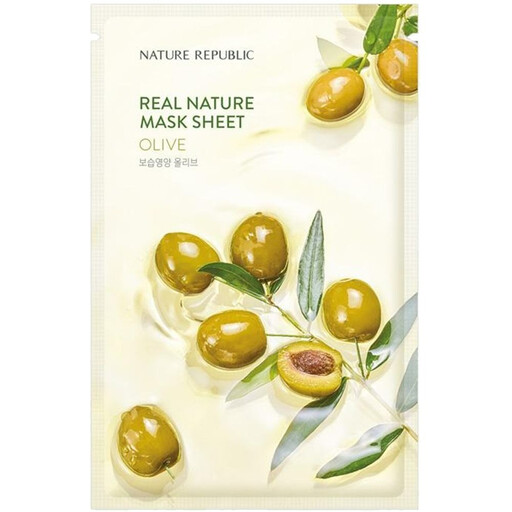
Why this product fits the profile: This single sheet mask with olive extract is designed for a straightforward 10 to 20 minute application and, according to the product details, is particularly aimed at dry skin.
The wear time is clearly stated; the main ingredient, target skin type and warnings are also listed.
Single size with cotton structure, olive extract and glycerin.
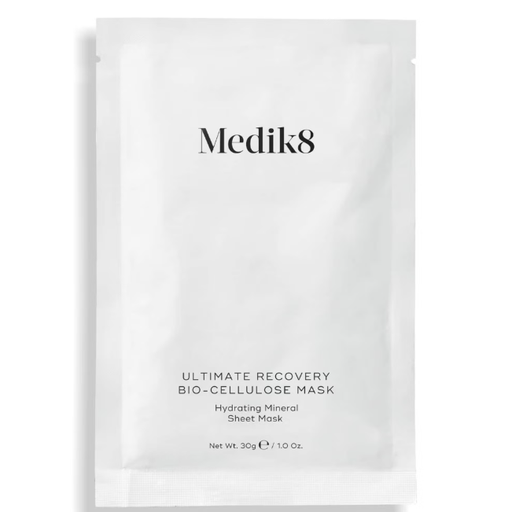
Why this product fits the profile: This pack contains six ultra-thin bio-cellulose masks with hyaluronic acid, zinc and fucoidan extract. According to the product details, the formula is vegan and free from synthetic fragrances.
The material, wear time of 20 to 30 minutes and exclusions such as alcohol, parabens and phthalates are clearly described.
Bio-cellulose material, six individual applications and serum-soaked sheet format.
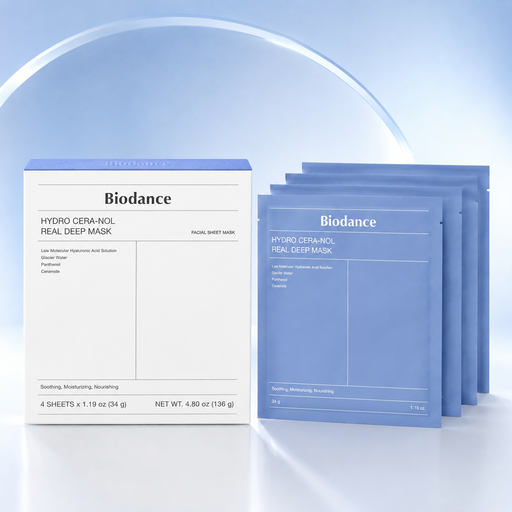
Why this product fits the profile: According to the product details, this hydrogel mask is designed to be worn for at least three to four hours or overnight, and contains panthenol, ceramides and hyaluronic acid, among other ingredients.
The long wear time is explicitly stated. The mask should be removed once it becomes transparent.
Four hydrogel masks per pack, plus ceramides, panthenol and multiple forms of hyaluronic acid.
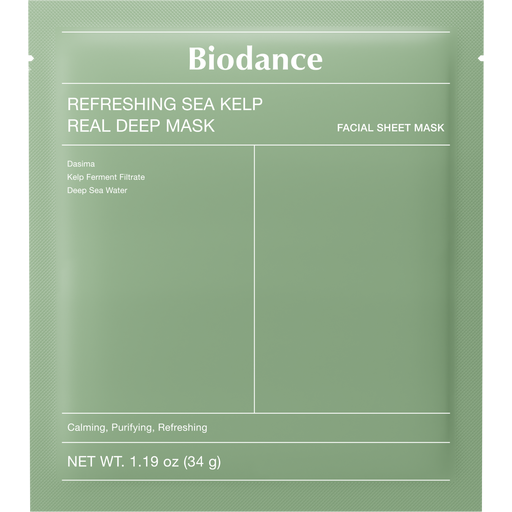
Why this product fits the profile: According to the product details, this sheet mask variant contains panthenol, allantoin, madecassoside and seaweed ingredients, and is designed for 15 to 20 minutes of wear.
The short, clearly defined application time prevents the mask from being worn accidentally for too long.
Four individual masks, seaweed ferment, allantoin and madecassoside according to the ingredients list.
We’ve put together a full, regularly updated list of products that fully meet these strict selection criteria and the safety regulations in force in the EU.
Cleanse your face before application and remove the mask after the specified time. Any leftover serum can be gently patted in, if the product allows. An additional moisturiser may be helpful for dry skin, but this depends on the specific formula.
For new products, we recommend doing a patch test. Do not use on broken or severely irritated skin, and avoid contact with the eyes. If you experience stinging, redness or persistent discomfort, stop using the product.
It depends on the mask type and formula. Many sheet masks are used once or several times a week. With rich cream masks, one or two applications may be enough. Always follow the instructions on the packaging and pay attention to how your skin reacts.
Typically around 10 to 30 minutes. Hydrogel masks designed for long-term wear can be left on for several hours or overnight. Do not extend the recommended time on your own.
For a face mask for dry skin, look for formulas containing glycerin, hyaluronic acid, panthenol, betaine, ceramides or nourishing oils. It’s also important to check for fragrances and other potential irritants if your skin is sensitive.