
Lieferung heute & morgen

Qualitätsgarantie

Willkommens-Angebote freischalten: KOSTENLOSE Lieferung | Bis zu 80 % RABATT | Kostenlose 30-Tage-JoyPlus-Testphase
App herunterladen
A face mask can be a great addition to your skincare routine, but it isn't automatically suitable for every skin type or purpose. When you want to buy a face mask, you'll come across plenty of promises: "glow", pore refinement, anti-ageing or particularly intense hydration. What really matters, however, are not the flashy marketing claims but your skin type, the ingredients, the material, the wear time and how you use it.
A sheet mask can temporarily make your skin feel pampered, smoother or more deeply hydrated. This effect isn't automatically permanent. Terms like anti-ageing face mask, "glass skin" or "pore refinement" often describe the desired skincare experience rather than a guaranteed long-term change.
Even a face mask marketed as universally suitable can contain alcohol, fragrances, essential oils or numerous plant extracts. If you have sensitive skin, it's worth checking the full INCI list. A face mask for sensitive skin should have a fairly straightforward formulation and should be patch-tested on a small area before first use.
The recommended application time depends on the material and the formula. A classic sheet mask is usually removed after 10 to 20 minutes. Hydrogel masks can be worn for much longer. However, if you leave a wet mask on your skin for longer than the instructions advise, it can become uncomfortably dry or irritate your skin.
For dry skin, look for formulations with glycerin, hyaluronic acid, panthenol, ceramides or betaine. A hydrating face mask should also be combined with a cream or another occlusive skincare product, so that the care doesn't just sit temporarily on the skin's surface.
For oily or blemished skin, lightweight textures are a good idea. A face mask for blemishes might contain clay such as kaolin or bentonite. These ingredients can absorb excess sebum, but they don't replace a dermatological treatment. For dry skin, on the other hand, a highly absorbent clay mask can be too drying.
The fit is also important. A mask should leave the eye and mouth area as clear as possible and sit on the cheeks without pulling too tightly. For resealable packaging, a clean closure is essential so the remaining sheets don't dry out.
Individual sheets are ideal for occasional use or travel. Multi-packs, such as 10- or 30-sheet packs, are more practical if you use the mask regularly. Check the printed expiry date, the batch number and any instructions for use after opening.
For imported products, the responsible person in the EU, the instructions for use and the labelling on the packaging should all be present. Product information can change from batch to batch; therefore, always refer to the current packaging.
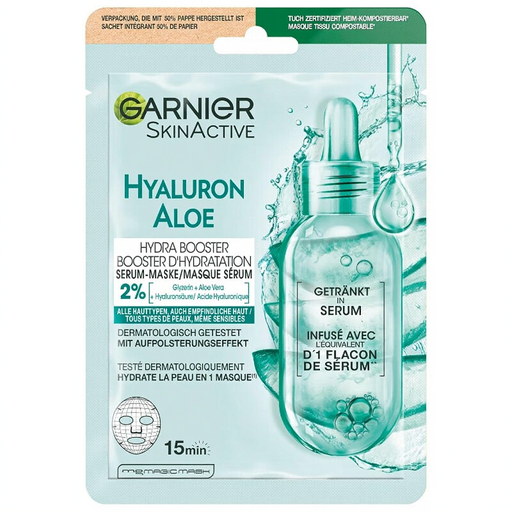
Why this product fits the profile: The single 28g sheet mask offers a straightforward introduction to hydrating skincare. The stated exposure time is 15 minutes.
The product quantity and short application time are clearly stated. This means you don't buy a large pack before you know the material and how it feels on your skin.
Cotton material, glycerin, aloe vera components and hyaluronic acid are listed in the product description.
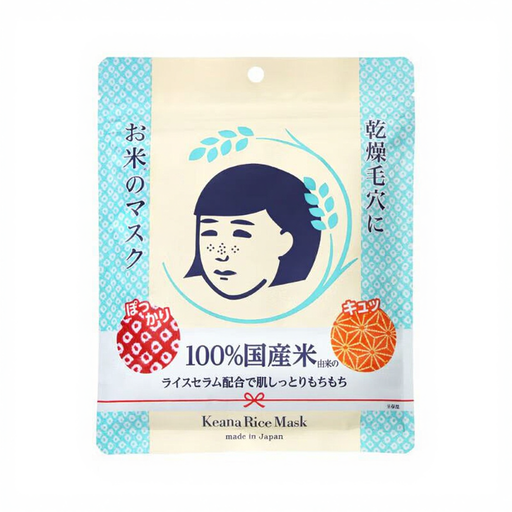
Why this product fits the profile: This Japanese face mask is aimed at dry, uneven-looking skin and combines an adhesive sheet with a rice serum.
The INCI list names several rice components specifically. This makes it easier to assess the formula than with a simple "glow" claim.
10 sheets per pack, plus rice ferment filtrate, rice germ oil and ceramide components according to the product details.
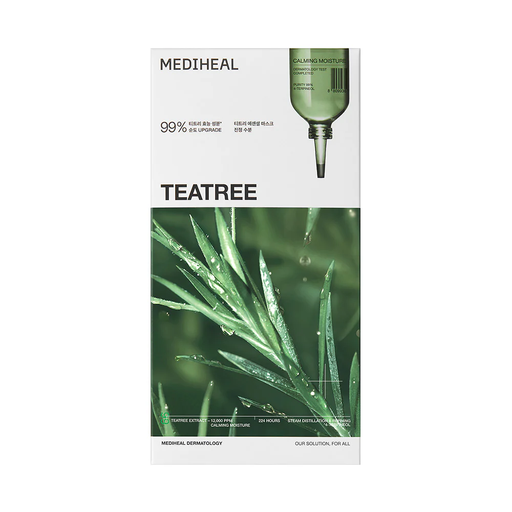
Why this product fits the profile: This Korean face mask comes in a 10-pack for regular use and contains tea tree-related ingredients.
The pack size and the described slightly acidic formulation provide clear guidance. Nevertheless, you should check your own tolerance beforehand.
10 individual masks, a focus on hydration and tea tree as a stated ingredient in the product description.
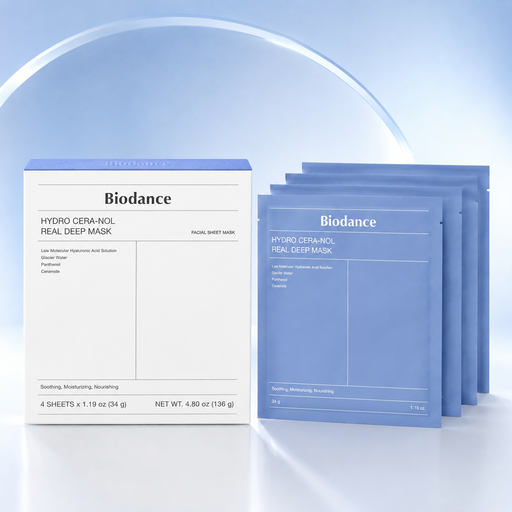
Why this product fits the profile: According to the instructions, this hydrogel mask is intended for a wear time of at least three to four hours, or overnight.
The long wear time is explicitly stated and should not be applied to other mask types. This keeps your usage predictable.
Hydrogel format, plus panthenol, ceramides and various forms of hyaluronic acid according to the INCI list.
We've put together a full, regularly updated list of products that fully meet these strict selection criteria and the safety regulations in force in the EU.
That depends on the mask type and your skin's tolerance. Light hydrating masks can be used more frequently, according to the respective instructions. Clay, peel-off or exfoliating masks are usually intended for occasional use. If you have sensitive skin, it's a good idea to start slowly.
Many sheet masks are used for around 10 to 20 minutes. The specific information on the packaging or product page takes priority. A sheet mask shouldn't automatically be left on until it is completely dry.
The price depends on factors such as pack size, material, brand positioning and ingredients. Single masks are great for trying something out, while multi-packs can lower the cost per sheet if you use them regularly. So always compare the price per application, not just the total price.