
Lieferung heute & morgen

Qualitätsgarantie

Willkommens-Angebote freischalten: KOSTENLOSE Lieferung | Bis zu 80 % RABATT | Kostenlose 30-Tage-JoyPlus-Testphase
App herunterladen
A face mask can complement your skincare routine in a targeted way – provided the texture, ingredients and application suit your skin. However, Korean face masks, sheet masks, hydrogel masks, clay masks and LED face masks differ in more than just packaging and price.
Many disappointing purchases are caused by three common marketing traps:
For dry skin, a hydrating mask containing glycerine, panthenol, ceramides or hyaluronic acid is usually the priority. A hyaluronic acid face mask can temporarily leave your skin feeling hydrated. You should then apply a cream or lotion so that your skincare routine does not consist solely of water-based ingredients.
For a face mask for dry skin, you can choose between sheet masks, hydrogel masks and washable cream masks. If you have sensitive skin, check the fragrance, alcohol and complete INCI list. Even a face mask for sensitive skin should first be tested on a small area of skin.
Clay masks may be worth considering for skin that looks shiny or is prone to blemishes. A mask for enlarged pores can temporarily make the skin appear smoother, but it cannot permanently “close” enlarged pores. The Skin1004 mask contains kaolin and bentonite, among other ingredients, and is available in a practical stick format.
A sheet mask is sold individually or in multipacks and is suitable for a short application. When buying 10, 11 or 30 individual masks, the cost per application is often more informative than the pack price. A hydrogel mask usually fits the contours of the face more closely and, depending on the product instructions, can be worn for considerably longer.
The Biodance Bio-Collagen Real Deep Mask is supplied as four 34 g masks and, according to the product details, should be worn for three to four hours or overnight. This is suitable for a relaxed evening routine, but less practical if you only have a few minutes available in the morning.
For an LED face mask, technical details such as wavelengths, fit, operating time, power supply and safety information are important. According to the product description, the Silk'n Facial LED Mask uses red, blue, yellow and violet light and offers automatic 15-minute sessions. People with photosensitive conditions, epilepsy or who are taking photosensitising medication should pay particular attention to the guidance and seek medical advice if necessary.
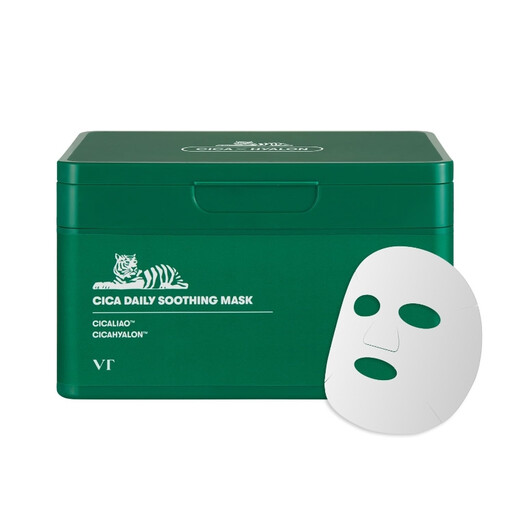
Why this product suits this profile: With 30 individual sheets and a stated application time of 10 to 20 minutes, it is suitable for regular, short skincare routines.
The number of sheets makes the cost per application easier to understand than with a single premium mask.
Cica and hydrating ingredients, 30 masks and a lightweight, non-sticky essence according to the product details.
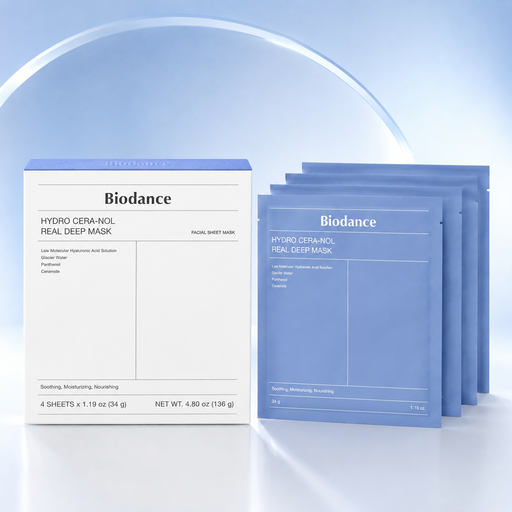
Why this product suits this profile: This hydrogel mask combines panthenol, ceramides and different forms of hyaluronic acid, making it suitable for a thorough evening routine.
The recommended wearing time of at least three to four hours is clearly stated, preventing false expectations of a short-use mask.
Four hydrogel masks with ceramides, panthenol and hyaluronic acid according to the INCI information.
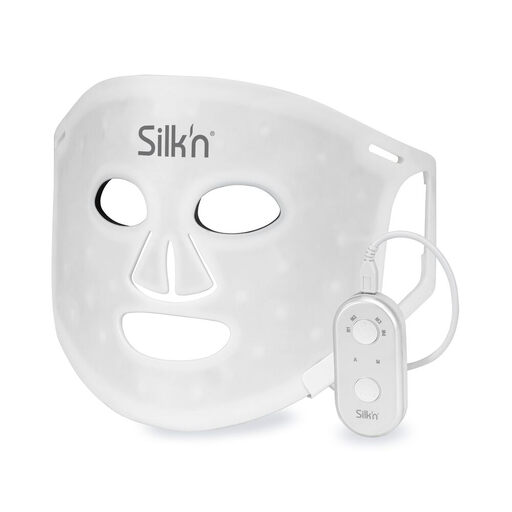
Why this product suits this profile: For users who prefer reusable device-based treatments over a single-use sheet mask.
Wavelengths, session duration, battery and warnings are clearly listed in the technical specifications.
100 LEDs, four light colours and automatic 15-minute sessions according to the product description.
We have put together a complete, regularly updated list of products that fully meet these strict selection criteria and the safety regulations applicable in the EU.
This depends on the format and your skin type. Depending on the product, a gentle hydrating mask may be intended for use several times a week. Clay or exfoliating masks are often used less frequently. The manufacturer’s instructions and your skin’s reaction are the deciding factors.
Many sheet masks are intended to be used for around 10 to 20 minutes. It should not be left on until the material has dried completely. The specific time stated on the packaging takes priority.
A mask can cleanse the skin’s surface, provide hydration or temporarily make it appear smoother. It cannot permanently change the size of pores. If skin problems persist, you should seek advice from a dermatologist.