
Lieferung heute & morgen

Qualitätsgarantie

Willkommens-Angebote freischalten: KOSTENLOSE Lieferung | Bis zu 80 % RABATT | Kostenlose 30-Tage-JoyPlus-Testphase
App herunterladen
Face masks can be a targeted addition to your skincare routine – whether you want a boost of hydration, soothing care or an occasional intensive treatment. The selection ranges from Korean face masks and Japanese rice formulations to sheet face masks, hydrogel masks and washable options.
However, the product name alone says little about whether a mask is genuinely suitable. If you focus only on terms such as “Glow”, “Collagen” or “Pore Care”, you may end up buying a mask that does not suit your skin type or the time you have available for application.
Terms such as “anti-ageing face mask”, “brightening face mask” or “pore-refining face mask” usually describe the intended cosmetic focus. They are not a substitute for carefully checking the ingredients and do not constitute a medical claim. For dry skin, humectants such as glycerin or hyaluronic acid may be relevant, while fragrance, essential oils or alcohol may be undesirable for sensitive skin.
A classic sheet mask is often worn for 10 to 20 minutes. Depending on the product, a hydrogel mask can remain on the skin considerably longer. The manufacturer’s instructions are what matter. If a sheet mask dries out, it can make your skin feel less comfortable. An overnight mask therefore cannot be compared directly with every sheet face mask.
A 10- or 21-pack may offer a lower cost per application if you use the mask regularly. Individual hydrogel masks, on the other hand, are often better suited to occasional use. You should also check the best-before date, the period after opening and the storage instructions. With multi-use pouches, the seal should be closed carefully after each use.
For a face mask for dry skin, formulations containing glycerin, betaine, panthenol, ceramides or hyaluronic acid may be a sensible choice. A soothing face mask may contain Centella asiatica, madecassoside, allantoin or dipotassium glycyrrhizate.
If you have sensitive skin, read the complete INCI list. A face mask for sensitive skin is not automatically free from fragrance, alcohol or essential oils. If you have known intolerances, carrying out a patch test on a small area of skin may be advisable.
Depending on the product, sheet masks are made from cotton, cellulose, bamboo fibre or other fibrous materials. A good fit improves skin contact and helps prevent slipping. Hydrogel masks often adhere closely to the skin, but are made from a different material and may feel different when worn for longer.
Japanese rice formulations may be of interest if you have dry or uneven-looking areas of skin. According to the product details, the Keana-Nadeshiko mask contains rice ferment filtrate, rice germ oil and glucosyl ceramide, among other ingredients. These are verifiable components of the stated INCI list, but they do not guarantee a particular result.
Pay attention to:
A PDRN face mask or collagen face mask may suit a routine focused on hydration and a smoother-feeling complexion. Claims relating to wrinkles, skin renewal or “repair” should be understood as promotional product descriptions rather than medical evidence of effectiveness.
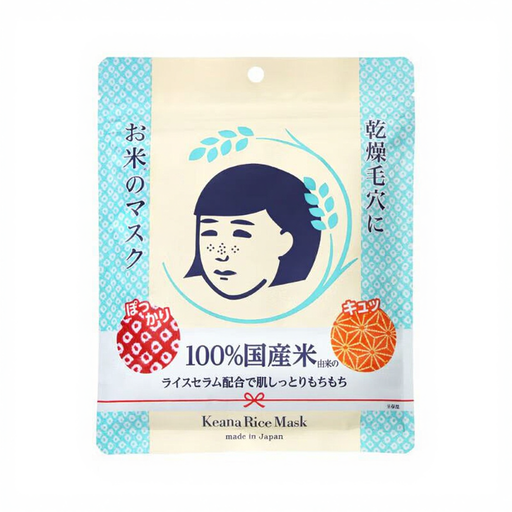
Why this product suits the profile: The 10-pack is designed for regular use and, according to the product description, is intended for dry, uneven-looking skin with visible pores.
The number of pieces and the stated application time of 5 to 10 minutes make it easier to plan realistically instead of relying on an unclear long-wear application.
Rice ferment filtrate, rice germ oil and glucosyl ceramide are listed in the stated INCI list.
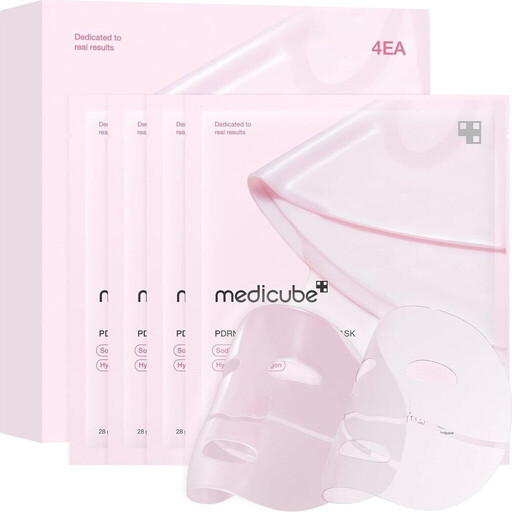
Why this product suits the profile: The hydrogel mask is designed for users who prefer a close-fitting texture and a longer application time of 30 to 40 minutes.
The product details clearly state the material type, number of pieces and application time. This makes it easy to distinguish the hydrogel mask from shorter-use sheet masks.
The stated formulation contains Sodium DNA, hydrolysed collagen, niacinamide, adenosine and ceramide NP.
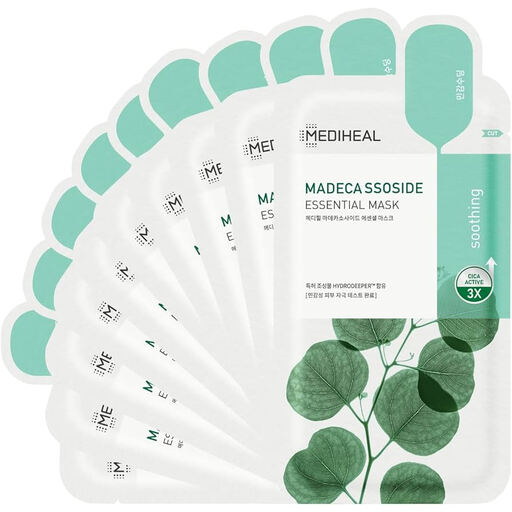
Why this product suits the profile: Its focus on soothing care and the 10-pack make it suitable for a regular routine, particularly for skin that appears sensitive or is prone to dryness.
The product description specifies bamboo fibre, a Centella complex and a defined application time of 15 to 20 minutes.
Centella asiatica, madecassoside, panthenol and allantoin are listed as ingredients.
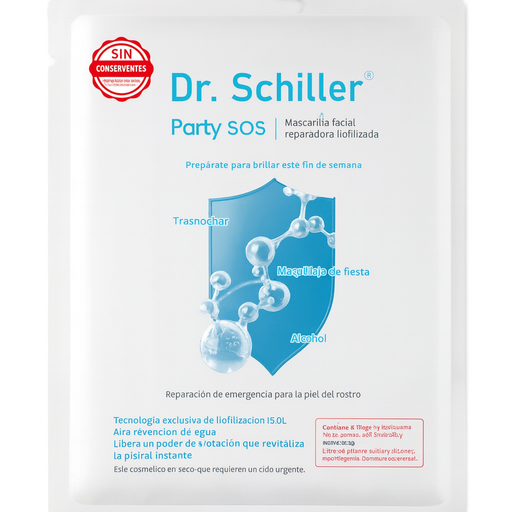
Why this product suits the profile: The dry sheet is first soaked with toner, essence or serum. This allows you to adapt the skincare liquid to your own routine.
According to the product details, the mask does not contain its own liquid formulation. This allows you to check the composition carefully before applying it.
Dry, lightweight single-use mask made from natural cellulose or cotton fibre; designed for one application after soaking.
Cleanse your face before applying the mask and follow the instructions for the particular product. After removing it, any remaining essence can be gently patted into the skin. For washable products, such as a rice face mask, rinse afterwards with lukewarm water as instructed.
Do not use face masks on broken, severely irritated or inflamed skin. If redness, swelling, itching or burning occurs, stop using the product. Avoid contact with the eyes. If you experience recurring skin problems, seeking dermatological advice may be appropriate. Check the product details, INCI list, batch number and the responsible person in the EU on the packaging.
We have put together a complete, regularly updated list of products that fully meet these strict selection criteria and the safety regulations applicable in the EU.
This depends on the product, your skin type and the formulation. Many sheet masks are used two or three times a week, while some products are intended for more frequent use according to the manufacturer’s instructions. The information on the packaging and how your own skin reacts are the key considerations.
The application time is often between 10 and 20 minutes. Hydrogel masks may be designed for longer use, such as 30 to 40 minutes. A sheet mask should not be worn until it has dried out completely.
Some products focus on soothing care, but no mask is automatically suitable for every type of sensitive skin. Check the INCI list for alcohol, fragrance, essential oils and known allergens. A patch test before your first full application may reduce the individual risk of a reaction.