
Lieferung heute & morgen

Qualitätsgarantie

Willkommens-Angebote freischalten: KOSTENLOSE Lieferung | Bis zu 80 % RABATT | Kostenlose 30-Tage-JoyPlus-Testphase
App herunterladen
A face mask can be a great addition to your skincare routine, but it isn't automatically suitable for every skin type. There are clear differences in texture, ingredients and application between a hydrating face mask, a pore mask and a Korean or Japanese sheet mask.
Mistakes often happen because of three typical marketing traps:
Before you buy, you should first decide what you want the mask to do. A face sheet mask is usually soaked in a liquid essence and removed after a short wear time. A dry DIY mask, on the other hand, needs to be moistened with toner, serum or essence first. Gel masks, hydrogel masks, peel-off masks and wash-off masks all feel quite different on the skin.
For a face mask for dry skin, look for moisture-binding ingredients like glycerin, hyaluronic acid, betaine or panthenol. Ceramides can be a useful addition to a skincare routine that supports the skin barrier. A hyaluronic acid face mask doesn't automatically provide lasting hydration on its own: after using it, we recommend applying a moisturiser to help maintain that cared-for feeling.
A face mask for sensitive skin should have a formula that is as straightforward as possible. Check the INCI list for perfume, essential oils and alcohol. This applies, for example, to products with fragrances or plant extracts. If you know your skin is sensitive, it's a good idea to do a patch test on a small area. If you experience redness, stinging or itching, stop using it.
A collagen face mask or an anti-ageing face mask is often promoted for making skin feel more elastic and look smoother. To compare them objectively, start by looking at the ingredients, the mask format, the wear time and the pack size. Claims about visible results depend on your skin type, your starting condition and how you use the mask, and should not be confused with medical effects.
A pore mask containing kaolin or other absorbent ingredients can be useful for skin with excess sebum. It shouldn't be used too often, especially if your skin is also dry or sensitive. In cosmetics, "minimises pores" usually describes a visual improvement in the skin's appearance, not a permanent change to the pore structure.
Mask material and fit
A sheet mask should leave your eyes, nose and mouth free and sit evenly on your face. Thin cellulose fibres often cling closely to the skin; hydrogel masks feel denser and more gel-like. With a Japanese face mask or Korean face mask, it's also worth checking how many sheets are in each pack and how the packaging works after opening.
INCI list and fragrances
The ingredients list is more important than the product name. If a mask contains, for example, hyaluronic acid, ceramides, panthenol or centella asiatica, you can assess that objectively. Pay particular attention to fragrances, essential oils and alcohol if you have sensitive skin. The information on the packaging takes priority, as formulas can change.
Application, wear time and storage
Typical wear times range from about 5 to 40 minutes, depending on the product. A dry DIY mask must be used immediately after moistening. Once opened, multi-packs should be sealed tightly and stored in a cool, dry place away from direct sunlight. The best-before date and batch number can be found on the packaging.
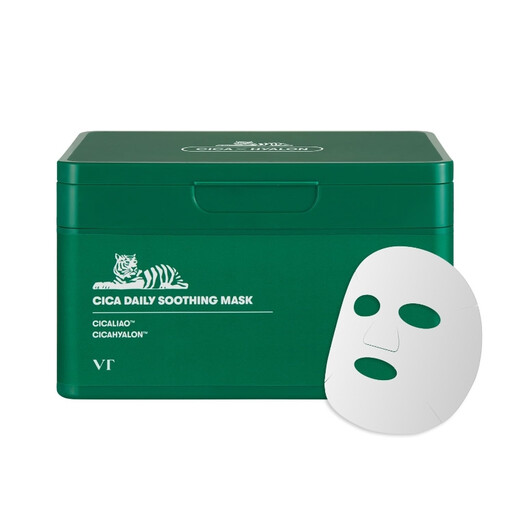
Why this product fits the profile: 30 individual sheet masks offer a predictable daily routine. The thin 0.2 mm cellulose mask is applied after cleansing for 10–20 minutes.
The number of sheets is clearly stated; plus, the mask comes with tweezers for removal, which reduces contact with the remaining essence.
30 sheets, a lightweight ampoule essence, plus centella asiatica, panthenol and sodium hyaluronate according to the product details.
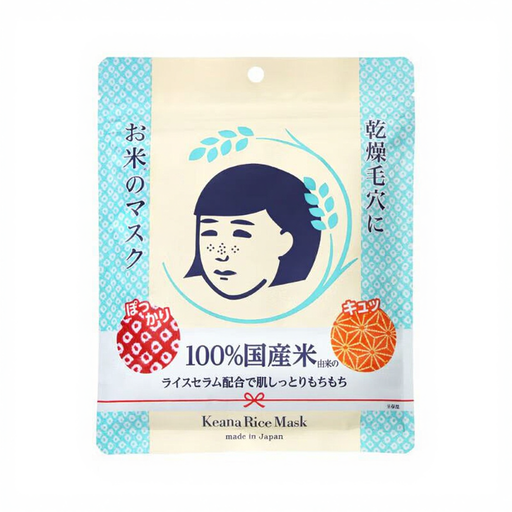
Why this product fits the profile: This Japanese face mask is designed for dry, uneven-looking skin and is applied after cleansing for 5–10 minutes.
The product description states 10 sheets, the wear time and a resealable pack. This makes it easier to plan your usage.
Japanese rice serum with rice ferment, rice bran oil and ceramide ingredients according to the INCI listing.
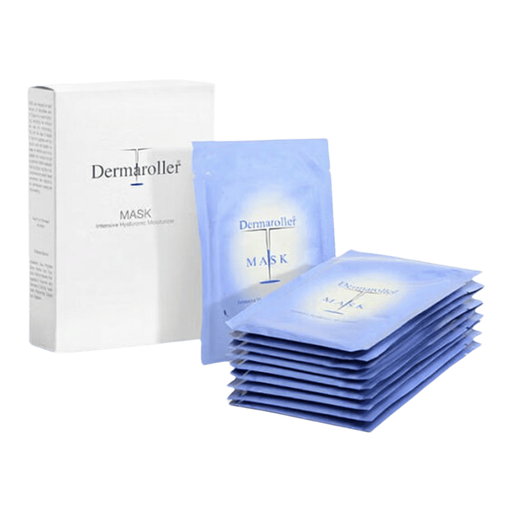
Why this product fits the profile: Ten individually wrapped silk masks are ideal for regular hydration. Apply to cleansed skin.
The ingredients and warnings are listed. As the formula contains fragrance, those with sensitive skin should check the INCI list before buying.
Silk mask with hyaluronic acid, ceramide E, tocopherol and matrixyl according to the manufacturer; 10 sachets per pack.
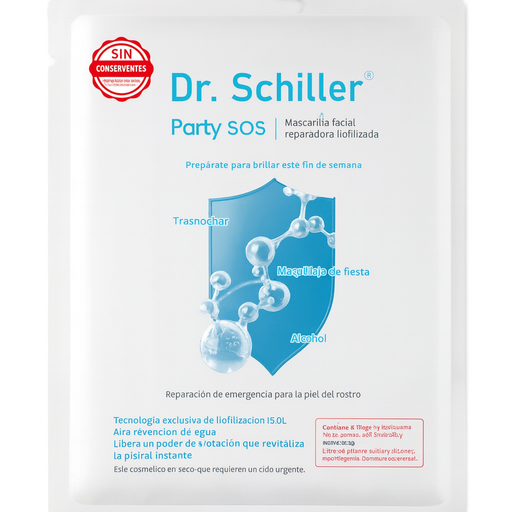
Why this product fits the profile: This dry mask is soaked with a toner, serum or essence of your choice, so you can tailor it to your personal routine.
The mask itself contains no liquid active ingredients. This means buyers avoid a pre-made essence that might not suit them, but they do need to check the compatibility of the liquid they use themselves.
Dry cellulose/cotton fibre, single use and a recommended wear time of 10–15 minutes.
We've put together a full, regularly updated list of products that fully meet these strict selection criteria and the safety regulations in force in the EU.
It depends on the mask type and your skin's tolerance. A light hydrating face mask can be used several times a week, depending on the manufacturer's instructions. Clay masks, exfoliating masks or heavily fragranced masks should be used more cautiously. Always follow the instructions on the packaging and pay attention to how your skin reacts.
With many sheet masks, the remaining essence is gently patted into the skin after the wear time and not rinsed off. You can then follow with a moisturiser. With a wash-off mask, such as a clay or sake-kasu mask, thorough rinsing is intended. Always follow the specific instructions for your product.
The best-before date and batch number are on the packaging. For multi-packs, make sure to close the seal carefully after each use. A dry DIY mask must be used immediately after moistening and should not be reused. If the smell, appearance or feel of the product changes, stop using it.