
Lieferung heute & morgen

Qualitätsgarantie

Willkommens-Angebote freischalten: KOSTENLOSE Lieferung | Bis zu 80 % RABATT | Kostenlose 30-Tage-JoyPlus-Testphase
App herunterladen
If you’re looking to buy face masks, you’ll find a wide choice online: Korean face masks, Japanese face masks, sheet masks, hydrogel masks, hydrating masks and products with vitamin C or collagen. But the differences aren’t just about colour, packaging and marketing claims. What matters is your skin’s needs, the ingredients, how long you wear the mask, pack size and using it correctly.
Terms such as ‘glow’, ‘repair’ or ‘anti-ageing’ often describe the kind of care a product aims to provide, rather than a clearly defined product property. So it’s more useful to look at specific ingredients, such as hyaluronic acid, panthenol, ceramides, glycerin, Centella asiatica extract or vitamin C derivatives.
For example, an anti-ageing face mask may contain moisturising and smoothing ingredients. But that doesn’t guarantee a particular result. If you have mature skin, look for a comfortable formula that won’t dry your skin out.
You shouldn’t automatically leave a sheet mask on until it has dried completely. Several products recommend an application time of 5 to 20 minutes. A hydrogel mask, on the other hand, may be designed to stay on for much longer. Always follow the instructions on the packaging.
If you’re looking for a daily face mask, consider whether you’d prefer a lightweight mask that’s quick to use or a more concentrated treatment for once or twice a week.
A pack of 30 or 50 sheet masks can offer good value per use. But it won’t suit every skin type or skincare routine. If you have sensitive skin, react to fragrance or have changing skincare needs, a smaller pack may be a better choice. Resealable packs should be closed properly after each use and stored according to the manufacturer’s instructions.
For dry skin, face masks for hydration containing glycerin, betaine, hyaluronic acid or trehalose may be suitable. Ceramides, cholesterol and phytosphingosine are often used in formulas designed to care for the skin barrier. One example is a hydrogel mask containing D-panthenol, ceramides and several forms of hyaluronic acid.
If your skin is sensitive, check the INCI list carefully. Fragrance, essential oils, alcohol or certain preservatives may not be suitable for everyone. Before using a face mask for sensitive skin, test it on a small area of skin first. Stop using it if you experience redness, stinging, swelling or itching.
Products for dull skin often feature a vitamin C face mask, niacinamide or citrus extracts. If you have blemish-prone skin, products containing salicylic acid may be worth considering. Use them according to the manufacturer’s instructions, and don’t apply them to irritated or broken skin.
The fit affects how comfortable a mask is to wear. The eye and mouth openings should line up comfortably without the mask pulling too much. With a sheet mask, it’s also worth checking whether you can remove the masks individually after opening and whether the packaging can be sealed tightly again.
Compare the number of masks, the amount of essence in each one, the recommended frequency of use and the shelf life. For Korean and Japanese face masks, the packaging should include details of the responsible person in the EU, the ingredients list and safety information.
Cosmetic products are for external use only. They are not a substitute for dermatological advice and should not be used on damaged, very irritated or diseased skin.
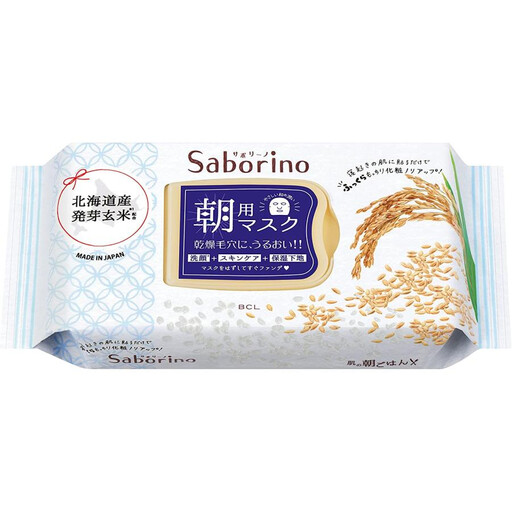
Why this product suits this profile: The pack contains 24 masks, which according to the product information are designed to be worn for around 60 seconds. That makes them a good fit for a quick morning routine before applying make-up.
The clear, short application time helps reduce the risk of leaving the mask on for too long. Reseal the pack after each use.
24 individual masks, a short application time and ingredients such as glycerin, sodium hyaluronate and a vitamin C derivative.
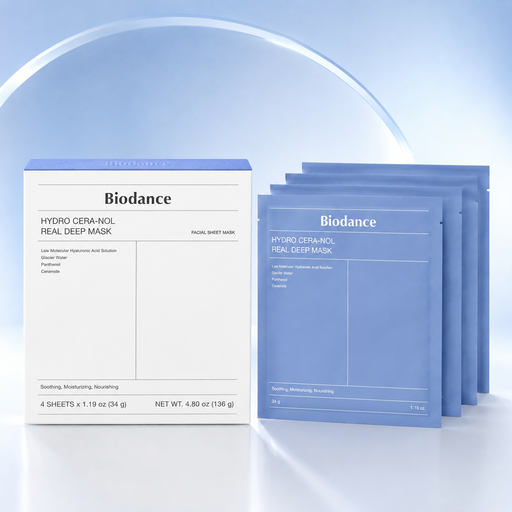
Why this product suits this profile: According to the product information, this hydrogel mask contains D-panthenol, ceramides and several forms of hyaluronic acid. It is designed to be worn for a longer period of at least 3 to 4 hours.
The unusually long wear time is clearly stated, so you’re less likely to treat the mask like a conventional sheet mask.
Hydrogel format, 4 masks per box and an INCI list featuring ceramides, panthenol and hyaluronic acid.
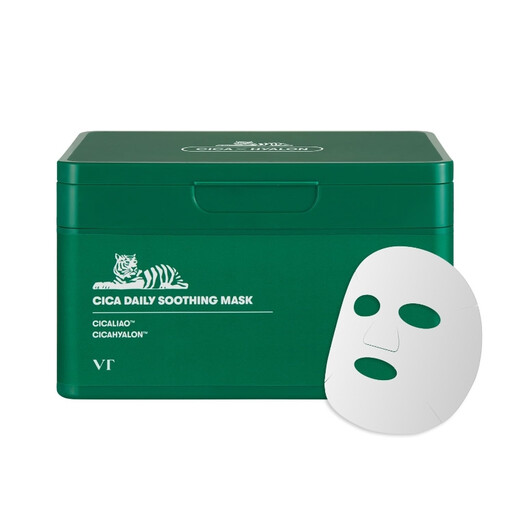
Why this product suits this profile: With 30 sheet masks and a recommended application time of 10 to 20 minutes, this pack is well suited to regular skincare routines.
The set application time and included removal pin make it easier to use the masks hygienically and in a controlled way, rather than taking them out one at a time from an open pack.
30 masks, a 0.2-mm sheet according to the product information, and Centella asiatica extract, panthenol and sodium hyaluronate.
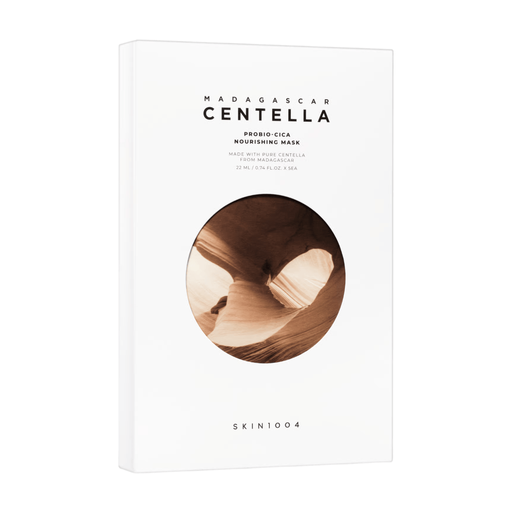
Why this product suits this profile: The pack contains 5 masks with Centella asiatica extract, ceramide NP, panthenol and hyaluronic acid. The recommended wear time is 10 to 20 minutes.
The smaller pack lets you try the product cautiously, without having to buy a large quantity of something you haven’t used before.
Pack of 5, flexible fibre according to the product description, and an INCI list featuring ceramide NP, panthenol and three forms of hyaluronic acid.
We’ve put together a complete, regularly updated list of products that fully meet these strict selection criteria and the safety regulations in force in the EU.
A face mask is usually applied after cleansing and, if desired, after toner. The exact order depends on the product instructions. After removing the mask, gently pat in any remaining essence. If you have dry skin, applying an additional cream may be helpful, depending on the formula.
Check the expiry date, batch number and storage instructions. Many products should be kept in a cool, dry place away from direct sunlight. Reseal multi-use packs tightly after opening. Dry DIY masks should only be soaked in liquid immediately before use and must not be reused afterwards.
It depends on the type of mask and the manufacturer’s instructions. A lightweight daily face mask may be designed for regular use, while concentrated hydrogel or treatment masks are often recommended once to three times a week. If you have sensitive skin, increase how often you use a mask gradually and with care.
Many sheet masks should be removed after 5 to 20 minutes. Don’t let them dry out completely. Hydrogel masks may have longer recommended wear times, such as several hours. Always follow the instructions on the packaging.
The price per mask depends on the pack size, mask material, amount of essence and ingredients. Don’t just compare the total price: check the price per use and the recommended frequency of use too. This will help you decide whether a single pack or a multipack is better suited to your skincare routine.