
Lieferung heute & morgen

Qualitätsgarantie

Willkommens-Angebote freischalten: KOSTENLOSE Lieferung | Bis zu 80 % RABATT | Kostenlose 30-Tage-JoyPlus-Testphase
App herunterladen
Face masks can be a targeted addition to your skincare routine – provided the format, ingredients and wear time suit your skin. However, Korean sheet masks, Japanese rice masks and modern hydrogel products differ in more than just packaging and price.
Three common marketing pitfalls often lead to poor purchases:
For dry skin, hydrating face masks with glycerin, hyaluronic acid, panthenol or ceramides are often a good choice. However, a face mask for dry skin doesn’t replace your daily moisturiser – it’s typically used as an extra step in your routine.
If you’re looking for a face mask for sensitive skin, pay particular attention to fragrance, essential oils and any known personal intolerances. Even a soothing face mask should first be tested on a small area of skin. If you experience redness, burning, swelling or itching, stop using it immediately.
A sheet mask for the face is usually placed on cleansed skin and removed after the time stated on the packaging. For the products described here, the recommended times range from around 5 to 40 minutes, depending on the model.
A hydrogel face mask typically adheres closely to the contours of your face. Some models change transparency as the essence is largely absorbed. This doesn’t automatically mean that a longer application is beneficial for every skin type.
Peel-off and gel masks are used differently: you apply them, they dry or form a film, and are then peeled off or rinsed away. Always follow the specific product instructions.
Single masks are ideal if you want to try a product first. Packs of ten are practical for a regular routine, while packs of 30 sheets are designed for frequent use. For opened tubs, hygiene is important when removing masks; a pair of tweezers supplied with the product can be helpful.
Check the expiry date, batch number and storage instructions on the packaging. Many face masks should be stored in a cool, dry place away from direct sunlight. Once opened, reseal the packaging carefully.
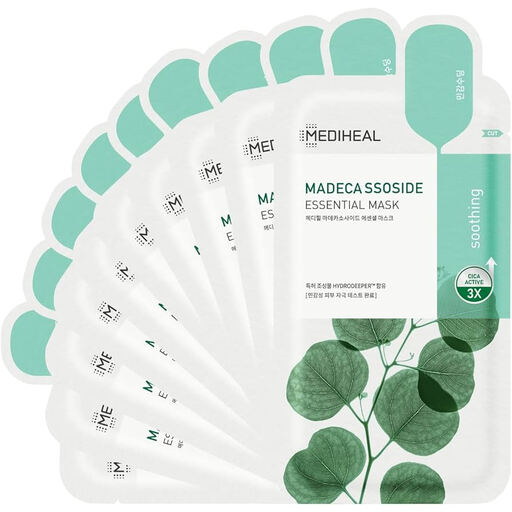
Why this product fits the profile: The pack of ten offers an affordable way to incorporate a Korean face mask into your regular skincare routine. The formula includes centella asiatica, madecassoside, panthenol and sodium hyaluronate.
The full ingredients list and the stated wear time of 15–20 minutes make it easy to check before buying. If you’re sensitive to fragrances, please also consider the “Tea Tree” note.
10 bamboo fibre masks; ingredients including centella asiatica, madecassoside and panthenol; use two to three times per week as per the product instructions.
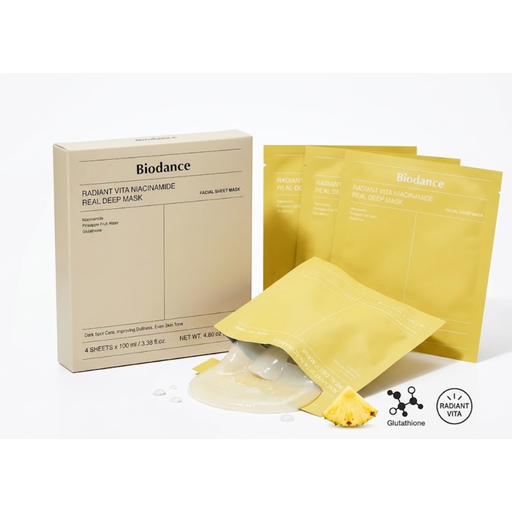
Why this product fits the profile: This hydrogel face mask is designed for those who want to incorporate niacinamide into their skincare routine and prefer a material that fits closely to the skin.
The pack contains four individually described masks of 34 g each. Before use, check for fragrance and personal intolerances against the current packaging information.
Hydrogel format; niacinamide, panthenol and centella asiatica in the stated INCI list; wear time of 15–20 minutes.
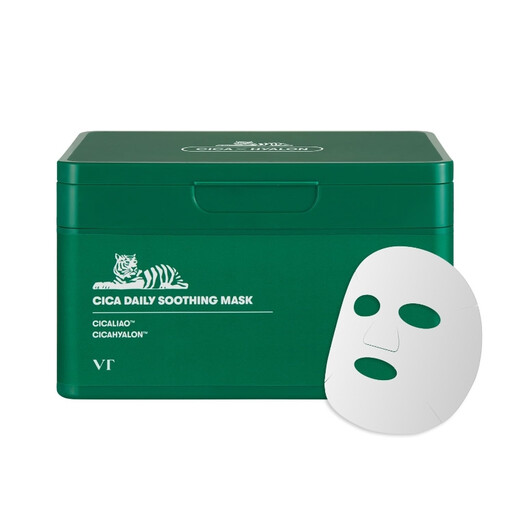
Why this product fits the profile: 30 sheets in a dispenser are ideal for frequent use, such as a quick morning routine. The thin 0.2 mm mask is designed for 10–20 minutes according to the product description.
The fixed wear time prevents the sheet from staying on your skin unnecessarily long. The included tweezers are provided for hygienic removal.
30 individual masks; centella and hyaluronic acid components as per the product information; lightweight sheet format for regular use.
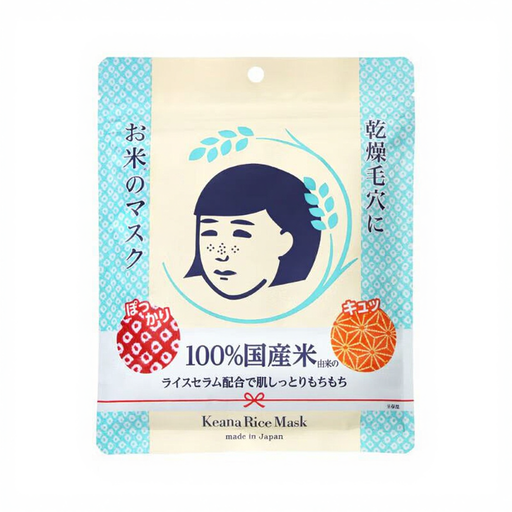
Why this product fits the profile: This Japanese rice mask is designed for a short application of 5–10 minutes and contains, according to the ingredients list, rice ferment, rice bran oil and ceramides.
The shorter wear time is suitable for those who don’t want a lengthy mask routine. If you have sensitive skin, please consider the alcohol content before purchasing.
10 sheet masks; rice-based ingredients and ceramide components; resealable packaging as per the product description.
We’ve put together a full, regularly updated list of products that fully meet these strict selection criteria and the safety regulations in force in the EU.
Before the first use, cleanse your face. Toner or essence can be applied beforehand – if recommended by the manufacturer. Place the mask on your face without creases, leaving the eye and mouth area free.
Also bear in mind:
This depends on the product and your skin’s tolerance. Many sheet masks are designed for two to three times per week according to the manufacturer. A daily face mask should be explicitly labelled as such. If you feel tightness or irritation, take a break.
Always follow the instructions on the packaging. Times are often between 10 and 20 minutes. Hydrogel masks with a longer wear time are an exception. A sheet mask should not be left on until it is completely dry.
A face mask for sensitive skin should be chosen based on the full INCI list. Pay particular attention to fragrances, essential oils and alcohol. A small patch test before the first use can help you assess your personal risk, but it does not replace medical advice.