
Lieferung heute & morgen

Qualitätsgarantie

Willkommens-Angebote freischalten: KOSTENLOSE Lieferung | Bis zu 80 % RABATT | Kostenlose 30-Tage-JoyPlus-Testphase
App herunterladen
Face masks can complement a skincare routine when the product, skin type and treatment time are well matched. However, when shopping, a few marketing claims can quickly lead to the wrong purchase. An "intensive" formula is not automatically suitable for sensitive skin, and a high serum content alone tells you little about its practical benefits.
Terms like "anti-ageing", "pore-refining" or "regeneration" usually describe the skincare goal, not a guaranteed outcome. An anti-ageing face mask can temporarily make skin feel smoother or more nourished. Visible changes, however, depend on your skin condition, the ingredients, how you use the mask and the rest of your skincare routine.
Even a face mask for large pores cannot permanently remove them. Hydration can make the skin's surface appear smoother, while clay or activated charcoal can absorb excess sebum.
A clay mask is interesting for oily or blemish-prone skin, but can cause a feeling of tightness on dry or sensitive skin. A heavily fragranced sheet mask or essential oils are also not suitable for everyone.
If you are looking for a hydrating face mask, look out for ingredients like glycerin, hyaluronic acid, panthenol or ceramides. For sensitive skin, short INCI lists and the absence of fragrance are often easier to assess.
A sheet mask should not necessarily be left on the face until it is completely dry. This can feel uncomfortable and put additional strain on the skin. What matters are the manufacturer's instructions, the fit and the amount of liquid contained.
With face masks in a set, it is also worth checking the quantity, individual packaging, shelf life and storage instructions. A large pack is only economical if the products are used within the recommended usage period.
First, match your most important needs:
Korean face masks and Japanese masks often use thin sheet materials, concentrated essences and multiple application steps. However, the country of origin does not replace checking the INCI list, warnings and the responsible person in the EU.
Sheet masks made from cotton, cellulose, Tencel or microfibre differ in thickness, liquid absorption and adhesion. A good fit is practically more important than an especially thin material: the eye and mouth openings should sit correctly, while the cheeks, nose and chin are covered as completely as possible.
Hydrogel masks often adhere differently to classic cellulose sheets and may be intended for longer applications. The actual wear time always depends on the product description.
Check the full ingredient list on the packaging. If you have known intolerances, pay particular attention to perfume, alcohol, essential oils, beeswax or certain preservatives. Before first use, a small patch test on an inconspicuous area of skin can be sensible.
Cosmetic face masks are intended for external use only. They should not be applied to open, irritated or sunburnt skin. If persistent redness, swelling or severe itching occurs, stop using the product and, if necessary, seek dermatological advice.
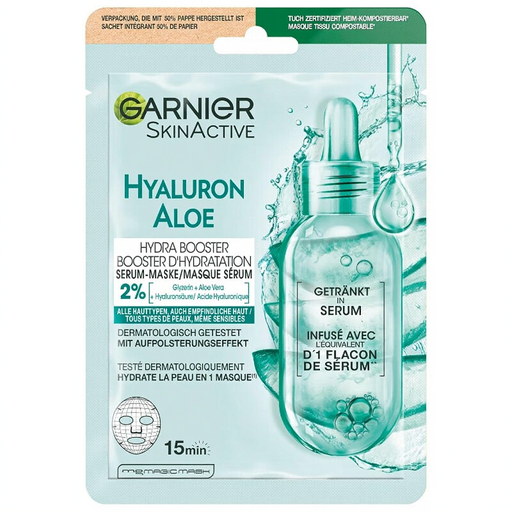
Why this product fits the profile: The single sheet mask is ideal for anyone wanting to try a straightforward hydrating treatment without committing to a larger set straight away.
The product description states a treatment time of 15 minutes and lists the key ingredients: hyaluronic acid, aloe vera and glycerin. This makes the skincare goal clearer to assess.
Cotton sheet, 28 g content and suitable for all skin types according to the product information.
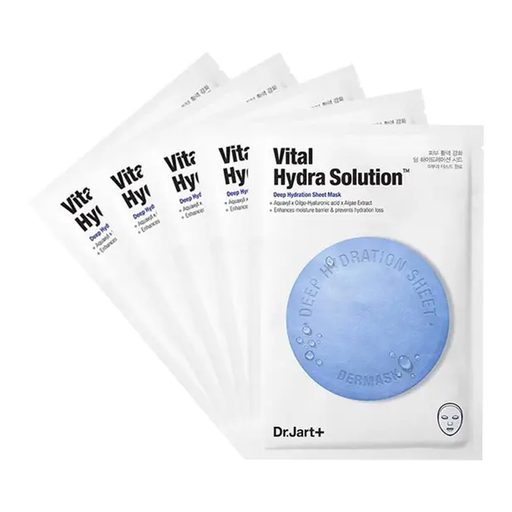
Why this product fits the profile: The pack of five masks is designed for a planned hydration routine and combines a thin cellulose material with several humectants.
The product information lists Aquaxyl, xylitol, glycerin and sodium hyaluronate. The stated treatment time is around 15 to 20 minutes.
Five individually wrapped sheet masks and an INCI list focused on hydration.
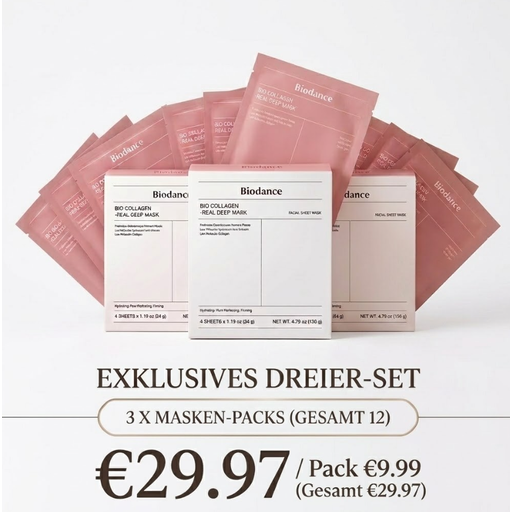
Why this product fits the profile: With twelve individual hydrogel masks, this set is aimed at those who regularly incorporate collagen-focused hydration into their routine.
The pack size is clearly stated as twelve individual masks. The hydrogel format is intended for longer application; the specific wear time should be checked on the packaging.
Three-pack with a total of twelve hydrogel masks and a collagen-focused skincare direction.
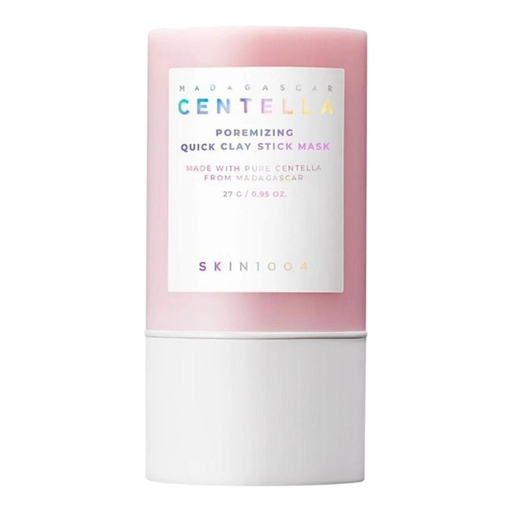
Why this product fits the profile: The stick format allows targeted application to the forehead, nose or chin, rather than covering the entire face with clay.
Kaolin and bentonite are explicitly listed in the product information. The partial application can help to avoid dry areas of the face.
27 g stick, kaolin with a stated content of 8% and centella asiatica extract according to the product description.
With a clay mask, rinsing with lukewarm water is usually required. A DIY dry mask like the Dr. Schiller Party SOS Mask, on the other hand, is first soaked with a toner, serum or essence of your choice. This means the final ingredient selection depends on the liquid you use.
This depends on the mask type and your skin's tolerance. Hydrating sheet masks are often used one to several times a week, while clay masks are usually beneficial less frequently. The manufacturer's instructions and your skin's reaction are the deciding factors.
Around 10 to 20 minutes is commonly recommended. A mask should not automatically be worn until it is completely dry. Hydrogel masks may allow for longer times, so always check the individual packaging.
Yes, certain formulations can be suitable. Look for soothing ingredients like panthenol or centella asiatica, and check for fragrance, alcohol and essential oils. Do not use a cosmetic mask on irritated or damaged skin.