
Lieferung heute & morgen

Qualitätsgarantie

Willkommens-Angebote freischalten: KOSTENLOSE Lieferung | Bis zu 80 % RABATT | Kostenlose 30-Tage-JoyPlus-Testphase
App herunterladen
Face powder can set your make-up, reduce shine in the T-zone and help even out your skin tone. The options range from pressed powder to loose mineral powder, transparent setting powder and powders with medium to high coverage. However, this very variety can quickly lead to the wrong purchase.
Common pitfalls include:
Pressed powder is supplied in a compact form and, thanks to its handy packaging, is particularly suitable for on-the-go use. An included sponge or powder puff makes quick touch-ups easy. For a lighter application, you can use a brush.
Loose powder can be applied in thin layers and is often associated with mineral powder. It is a good choice if you want to set your make-up precisely at home. However, the packaging is less practical for your handbag, as product can escape when you open it.
A transparent setting powder usually alters the shade of your foundation less than a coloured make-up powder. Even so, you should test the formula on a small area first, especially if the powder contains reflective or strongly light-diffusing particles.
If you only want to reduce shine and set your foundation, you will usually choose a light, transparent or finely pigmented option. For redness or visible imperfections, a powder with medium to high coverage may be more suitable. It is best to build it up in thin layers rather than applying a large amount of product all at once.
A mattifying powder often contains absorbent ingredients such as silica. These can take up excess sebum on the skin's surface. This does not mean your skin will stay oil-free permanently. For powder for oily skin, it is therefore better to reapply in small amounts rather than applying a thick layer.
The shade should be compared at the transition between your face and neck. Beige and sand tones can differ significantly depending on the undertone. If you have sensitive skin, it is worth checking for fragrances, colourants and preservatives. The full INCI list on the packaging is definitive, as formulations can change.
Cosmetic products sold in the EU must meet the requirements of the EU Cosmetics Regulation (EC) No. 1223/2009. This labelling does not replace an individual tolerance test. If irritation occurs, you should stop using the product. Powder is for external use only and should not get into your eyes.
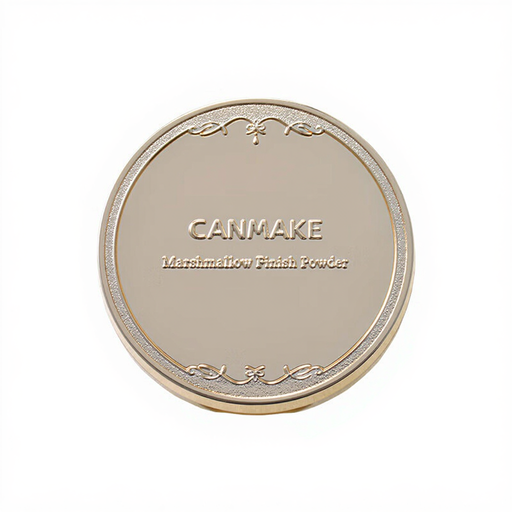
Why this product suits the profile: This pressed powder with a 10 g content is designed for daily application and touch-ups on the go. The shade Matte Beige Ochre offers a pigmented alternative to transparent setting powder.
The compact format reduces the risk of using too much loose powder when you are out and about. According to the product description, the powder can be applied over foundation and concealer.
Contains silica, titanium dioxide and zinc oxide according to the product information. Can be applied with a puff or brush.
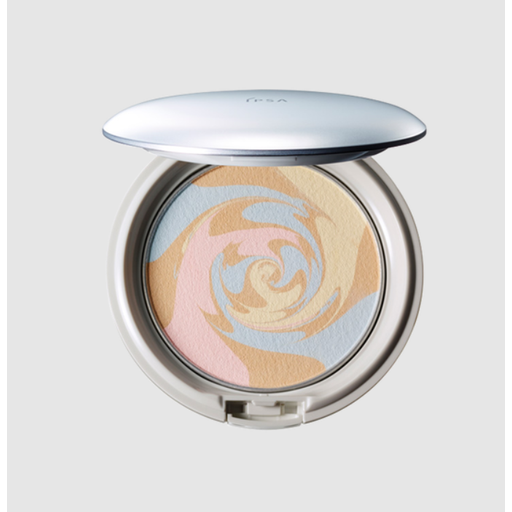
Why this product suits the profile: The transparent version is aimed at people who want to set their make-up and alter the original shade as little as possible. The set includes a case and a powder puff.
The transparent formulation reduces the risk of a noticeable colour shift. For an even result, it should still be applied sparingly and mainly to the T-zone.
According to the product description, the formula contains talc, mica and silica. The product is offered as a light, transparent setting powder with a puff.
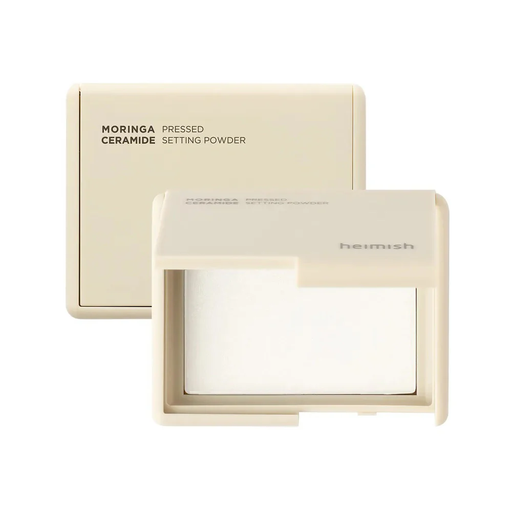
Why this product suits the profile: This pressed setting powder is designed for targeted touch-ups on the nose, forehead and other shiny areas. The compact packaging is practical for regular touch-ups.
Targeted application helps to avoid a thick layer of powder over the entire face. According to the product information, it is intended for normal and oily skin types.
Contains oil-controlling powder, silica and ceramide NP according to the product description. Fragrances are included in the stated INCI list.
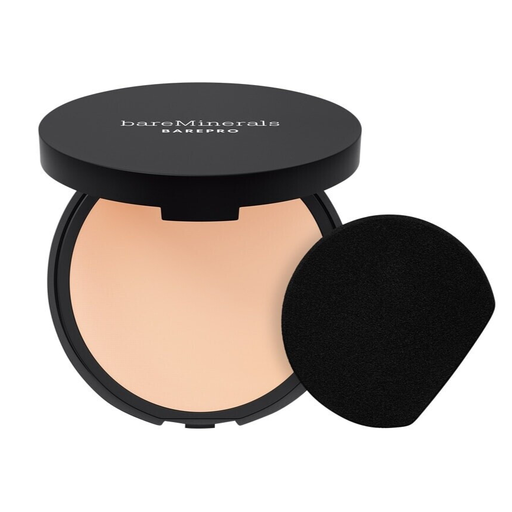
Why this product suits the profile: This pressed powder is described as a powder foundation with buildable, high coverage. It is therefore suitable for people who want to combine foundation and powder in one step.
The buildable coverage allows for controlled application. This means you can start with a small amount of product and add more only where needed on imperfections.
According to the product information, the formula offers high, buildable coverage, a matte finish and is free from parabens and fragrances.
We have put together a complete, regularly updated list of products that fully meet these strict selection criteria and the safety regulations in force in the EU.
A mattifying powder with absorbent ingredients such as silica can be suitable for shiny areas. For combination skin, application should be done zone by zone. A transparent setting powder is a good choice if you want the shade of your foundation to remain as unchanged as possible.
The best-before date or the symbol for the period after opening on the packaging is definitive. Changes in smell, colour, texture or tolerance indicate that you should stop using the product. Even with regular use, the lifespan depends on the contents, application technique and how often you touch up.
Yes. A lightly pigmented pressed powder can create a more even colour appearance on clean, moisturised skin. For high coverage, a thin application is recommended so that the finish does not look unnecessarily heavy.