
Lieferung heute & morgen

Qualitätsgarantie

Willkommens-Angebote freischalten: KOSTENLOSE Lieferung | Bis zu 80 % RABATT | Kostenlose 30-Tage-JoyPlus-Testphase
App herunterladen
A face serum can be a targeted addition to your skincare routine, but the sheer choice can be overwhelming. Korean face serum, K-Beauty serum, hyaluronic acid serum, niacinamide serum or vitamin C serum: many products boast similar active ingredients and far-reaching promises. For a sensible purchasing decision, it's not the flashy product name that matters, but the combination of your skin's needs, ingredients, tolerance and how you use it.
Terms like "Glow", "Brightening" or "Anti-Aging Serum" often describe a product's positioning, but they are not a guaranteed indicator of effectiveness. A serum for dark spots or a serum for pigmentation may contain ingredients such as alpha-arbutin, niacinamide or vitamin C derivatives. However, how your skin reacts depends on factors including your skin type, the concentration, the formulation and consistent use.
If you use a vitamin C serum, a retinol product, acids and a niacinamide serum all at once, you increase the risk of irritation. Sensitive or already dry skin in particular usually benefits from a simpler routine. New products should be introduced one at a time and first tested on a small area of skin.
A hydrating serum can deliver water-binding ingredients. However, it does not automatically replace a moisturiser or sunscreen. For dry skin, it makes sense to follow a hyaluronic acid serum or another hydrating serum with a suitable moisturiser. In the morning, you should also include sunscreen in your routine, especially with products aimed at improving the appearance of uneven skin tone.
Start by focusing on your specific skincare goal:
The INCI list on the packaging is definitive, as formulations can change. Pay attention to the position of relevant ingredients if you are looking for a specific active direction. "Vegan" refers to the composition and should not be equated with "suitable for all skin types". A vegan serum can still contain ingredients that some individuals cannot tolerate.
For sensitive skin, it is also worth checking for denatured alcohol, essential oils and perfume. Even a product labelled as fragrance-free should be patch-tested before regular use.
Watery serums are often suitable for layering under a moisturiser or make-up. Richer textures can be more comfortable for dry skin, while light gel formulations may be preferred for combination or blemish-prone skin. Also compare the fill volume: 30 ml, 50 ml and 80 ml can only be sensibly evaluated by the price per millilitre.
A serum is typically applied after cleansing and, depending on your routine, after toner. This is followed by moisturiser and, in the morning, sunscreen. With new active ingredients, the rule is: start slowly, observe your skin's reaction and discontinue use if irritation persists.
The following selection categorises specific face serums by application scenario and stated product features. It does not replace individual dermatological advice.
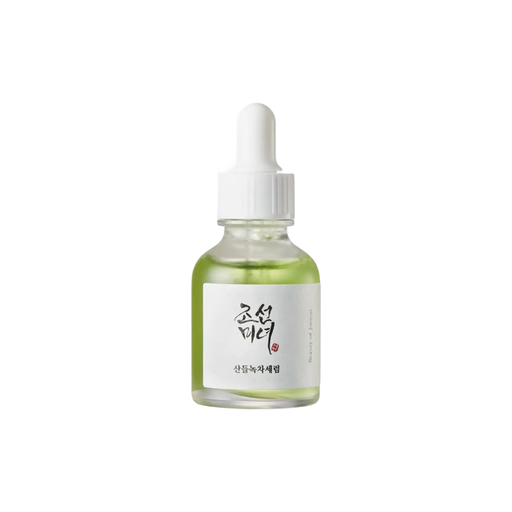
Why this product fits the profile: The lightweight formulation with green tea extract, panthenol, glycerin and sodium hyaluronate is designed for a straightforward daily routine. The product is stated to be fragrance-free and contains 30 ml.
The limited selection of active ingredients reduces the temptation to use several strong actives at once. A patch test before first use remains advisable.
Lightweight texture, 30 ml content, and green tea and panthenol in the stated composition.
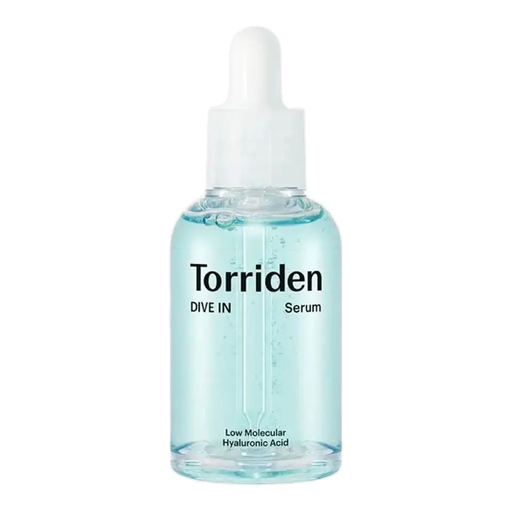
Why this product fits the profile: The formula lists five forms of hyaluronic acid and supplements them with panthenol, ceramide NP and beta-glucan. The product is stated to be vegan, fragrance-free and cruelty-free.
The listed skincare ingredients make the formulation more transparent than a purchase based solely on the term "Deep Hydration". The current packaging information should still be checked.
50 ml content, five forms of hyaluronic acid, plus ceramide NP and panthenol according to product information.
We have compiled a complete, regularly updated list of products that fully meet these strict selection criteria and the safety regulations in force in the EU.
Apply a few drops after cleansing and, if applicable, after toner. Then follow with a moisturiser. In the morning, sunscreen should be used. The exact order may vary depending on the product instructions.
The best-before date, the jar-open symbol and the instructions on the packaging are definitive. Store the serum tightly closed, in a dry place and away from direct sunlight. If the smell, colour or consistency changes, it should not be used further.
For a straightforward routine, one serum with a clear focus is usually sufficient. Combine active products carefully and introduce them one at a time. With retinol, vitamin C or exfoliating acids, the respective usage instructions are particularly important. If you are unsure or have persistent skin reactions, dermatological advice is recommended.