
Lieferung heute & morgen

Qualitätsgarantie

Willkommens-Angebote freischalten: KOSTENLOSE Lieferung | Bis zu 80 % RABATT | Kostenlose 30-Tage-JoyPlus-Testphase
App herunterladen
A face serum can be a targeted addition to your skincare routine, but it doesn't replace cleansing, moisturising or sun protection. If you're looking to buy a serum, you're faced with a huge choice: hyaluronic acid serum, niacinamide serum, vitamin C serum, retinal serum, or a Korean face serum with multiple active ingredient groups.
Product names often sound more convincing than the details that actually matter. What's really important is the INCI list, the concentration of active ingredients, the usage instructions, and how well it suits your skin type.
Terms like "glow", "anti-ageing" or "pore care" only describe a product's positioning. What's far more telling is whether the concentration of an active ingredient is stated. For example, the ANUA Azelaic Acid 10 Hyaluron Redness Soothing Serum clearly lists 10 % azelaic acid. The celimax THE VITA-A RETINAL SHOT TIGHTENING BOOSTER product description states 0.1 % retinal.
If a concentration isn't given, you can't judge the strength of a serum from its name alone. And a higher concentration isn't automatically suitable for every skin type.
A vitamin C serum, an acid exfoliant and a retinal serum can each have different application rules. Using several intensive products at the same time can unnecessarily stress your skin. For a serum for sensitive skin, a simple routine with just a few well-understood ingredients is usually easier to manage.
With products containing vitamin A derivatives or brightening ingredient combinations, a suitable sunscreen should be part of your daytime routine. This is especially true if you're using a serum for pigmentation or a vitamin C serum. The product information from Dr. Althea and celimax explicitly recommends using sunscreen in the morning or the following day.
First, match the product you want to your specific skincare goal:
Check the full ingredients list on the packaging, as formulas can be updated. For sensitive skin, fragrances, essential oils and a high number of active ingredients are possible selection criteria. A patch test on a small area of skin can be sensible before your first full application.
"Non-comedogenic", "dermatologically tested" or "suitable for sensitive skin" are claims from the product's marketing. They don't replace an individual tolerance check and shouldn't be equated with a medical effect.
A light, watery serum often works well under a moisturiser and can be applied in the morning or evening. Richer formulas are better suited to dry skin or your evening routine. The fill size affects value for money: 30 ml with 2 to 3 drops per application is different from a 50 ml or 150 ml product.
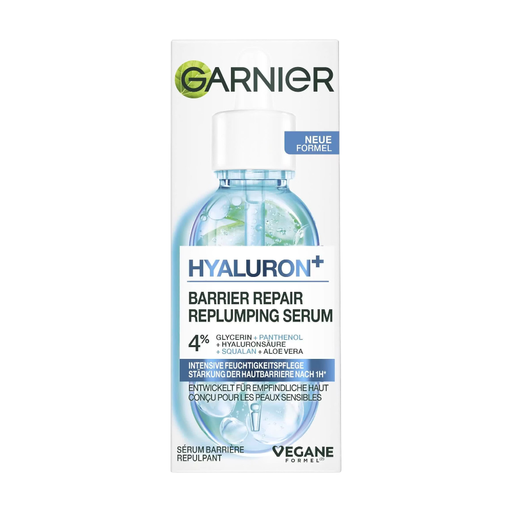
Why this product fits the profile: The 30 ml size and the focus on aloe vera and sodium hyaluronate offer a clear starting point for a hydration-focused routine.
The product description names the key hydrating ingredients, rather than relying solely on a vague glow promise. The full INCI list should be checked before purchase, as it contains perfume.
30 ml content; aloe vera and hyaluronic acid components; lightweight formula for daily skincare.
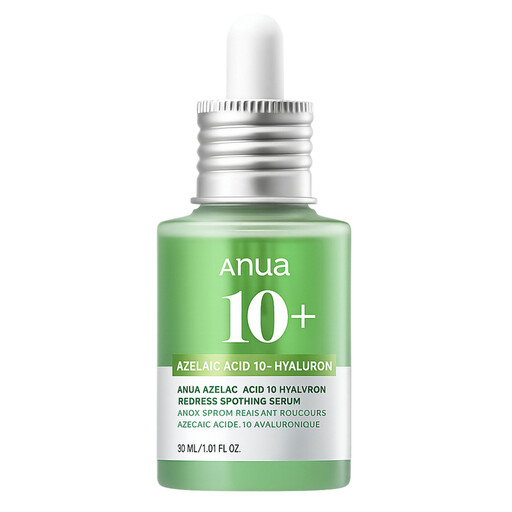
Why this product fits the profile: The clearly stated 10 % azelaic acid and the complementary hydrating and soothing ingredients make it easy to assess for skin prone to redness or blemishes.
The concentration and usage are clearly stated. The manufacturer recommends starting with 1 to 2 applications per week and slowly increasing the frequency.
10 % azelaic acid; hyaluronic acid, panthenol and cica components; 30 ml content.
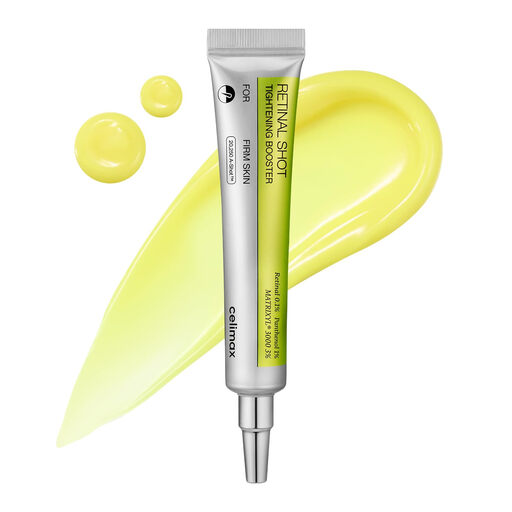
Why this product fits the profile: This product is designed for people who want to use retinal specifically in the evening and with a slow introduction period.
The product details state 0.1 % retinal, a small starting amount and a gradual application plan. Strong acids and highly concentrated vitamin C should not be layered together in the evening, according to the instructions.
0.1 % retinal according to the product description; 15 ml content; intended for evening use only.
We've put together a complete, regularly updated list of products that fully meet these strict selection criteria and the safety regulations in force in the EU.
If you experience burning, persistent redness, swelling or itching, stop using the product. Do not apply to damaged or severely irritated skin. If you are unsure or have an existing skin condition, it's a good idea to consult a dermatologist.
It depends on the active ingredient. Hydrating serums are often used morning and evening. A retinal serum or an azelaic acid serum, on the other hand, should initially be applied at longer intervals. Always follow the instructions on the packaging and your own skin's tolerance.
Check the jar symbol on the packaging, the best-before date and the batch number. Products that are sensitive to light and heat should be stored tightly closed, in a cool place and away from direct sunlight. A change in colour, an unusual smell or a change in texture are reasons to stop using the product.
In principle, it is possible to combine them, but you should do so gradually. A mild hyaluronic acid serum can often be combined easily with other skincare products. With retinal, vitamin C, acids or several highly active formulations, it's wise to be cautious. Check the respective usage instructions and introduce new products one at a time.