
Lieferung heute & morgen

Qualitätsgarantie

Willkommens-Angebote freischalten: KOSTENLOSE Lieferung | Bis zu 80 % RABATT | Kostenlose 30-Tage-JoyPlus-Testphase
App herunterladen
A face serum can be a targeted addition to your skincare routine – whether you’re dealing with dry skin, a dull complexion, or the first visible signs of ageing. At the same time, the sheer choice can make comparison difficult: Korean face serum, K-Beauty serum, vitamin C serum and anti-ageing serum differ not only in price, but also in active ingredient concentration, texture and how you use them.
A striking concentration figure sounds convincing, but on its own it tells you little about tolerability or everyday suitability. What really matters is the full INCI list. A niacinamide serum with 2 to 5 percent can be easier to introduce into your routine as a beginner than a very high-strength formulation. If you have sensitive skin, pay particular attention to fragrances, essential oils and potentially irritating combinations.
Depending on its formulation, a brightening serum can provide hydration, make your complexion look fresher, or contain ingredients such as niacinamide, vitamin C or alpha-arbutin. These properties are not the same as a medical treatment for pigmentation disorders. If you’re aiming for a more even-looking complexion, you should also use a suitable sunscreen during the day.
A lightweight hydrating serum often contains humectants such as glycerin or hyaluronic acid. These bind water to the skin’s surface. A follow-up moisturiser can then add lipids and other replenishing ingredients. If you apply only a hyaluronic acid serum and don’t moisturise your skin properly afterwards, you may still feel tightness in dry indoor air.
First, define a clear goal:
For skincare suitable for all skin types, lightweight, non-sticky textures are often straightforward. Very dry skin, on the other hand, can benefit from a lotion or serum with added lipids. If you have sensitive skin, it’s worth checking for fragrances and doing a patch test on a small area. New products shouldn’t be introduced at the same time as several strong active-ingredient products.
A 30 ml bottle can last a long time if you use two to three drops per application; a 150 ml booster, on the other hand, is designed for more generous use. Also check whether the product is intended for morning, evening or both routines. Vitamin C serums and other light-sensitive formulations should be stored in a cool place away from direct sunlight, as stated on the packaging.
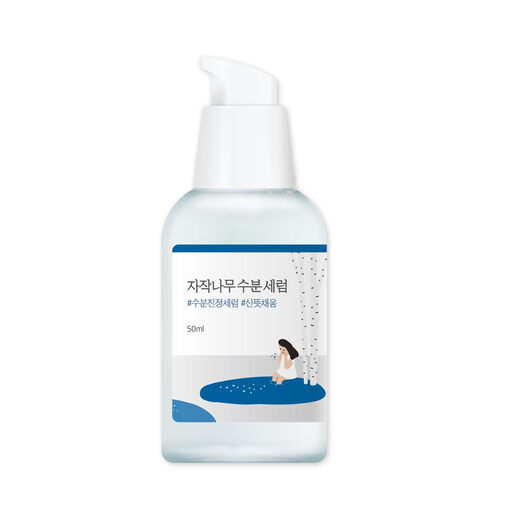
Why this product fits the profile: Its lightweight texture and focus on hydration make it suitable for a straightforward morning and evening routine.
The product details list several forms of hyaluronic acid, glycerin and a fast-absorbing, non-sticky texture rather than relying on a single marketing claim.
50 ml content, glycerin, birch sap and multiple forms of hyaluronic acid according to the product details.
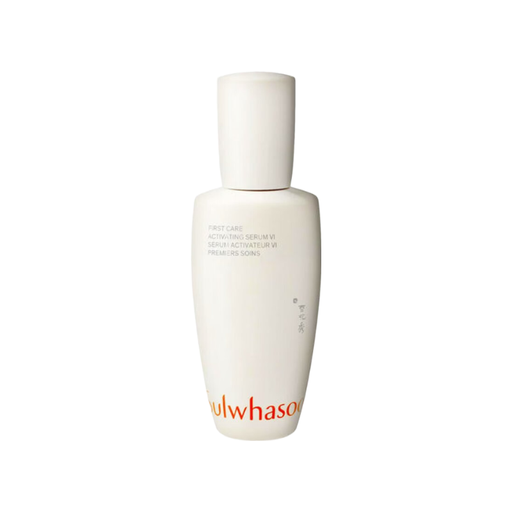
Why this product fits the profile: With 90 ml content and its use as the first step in your routine, it appeals to those looking for a ritualised K-Beauty serum with a luxurious texture.
The recommended use of two to three pumps and its clear positioning before other skincare products make dosing easy.
90 ml content, plus fermented ginseng extract and botanical ingredients according to the product description.
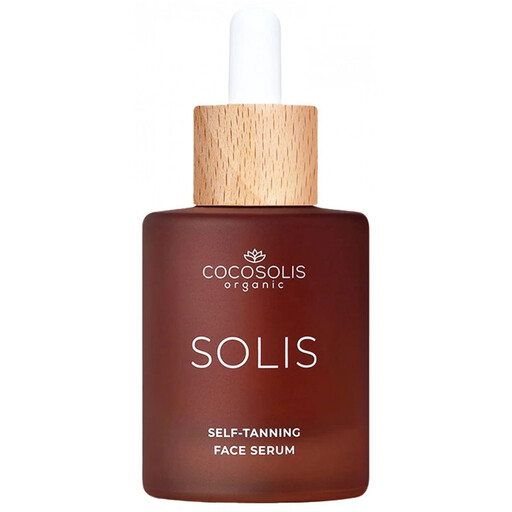
Why this product fits the profile: It’s designed for people who want to temporarily enhance their complexion without sunbathing.
The instructions mention washing your hands, applying evenly and doing a patch test. This reduces common application mistakes with self-tanning products.
50 ml content, DHA, hyaluronic acid and panthenol; the tint develops within four to eight hours according to the product details.
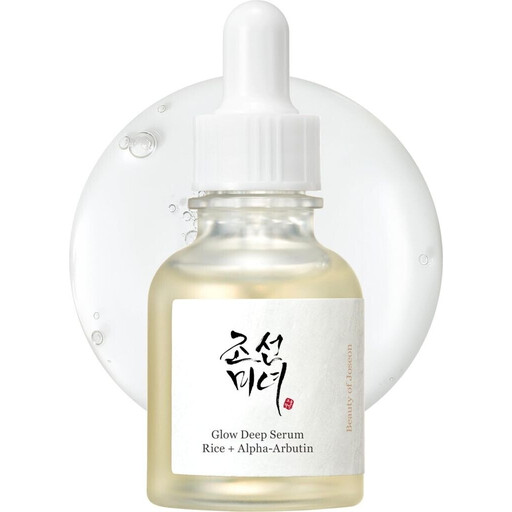
Why this product fits the profile: The formulation combines alpha-arbutin, niacinamide and panthenol, making it a good fit for a targeted routine to combat a tired-looking complexion.
The product page lists specific ingredients and application steps, rather than describing the effect only with a general ‘glow’ term.
30 ml content, alpha-arbutin, niacinamide and panthenol according to the stated INCI list.
If you experience redness, swelling, severe itching or persistent stinging, stop using the product. The full ingredients list on the packaging takes priority, as formulations can change.
Two to three drops are usually enough for your face and neck. The exact amount depends on the texture, packaging and manufacturer’s instructions. Using more doesn’t automatically give you better results.
That depends on the formulation and your individual tolerance. Beginners can start with a few applications per week and observe how their skin reacts. With a vitamin C serum, it’s a good idea to use sunscreen during the day as well.
The printed expiry date and the jar-open symbol on the packaging are what matter. Light, heat and frequent opening can affect the formulation. So store your serum according to the manufacturer’s instructions.