
Lieferung heute & morgen

Qualitätsgarantie

Willkommens-Angebote freischalten: KOSTENLOSE Lieferung | Bis zu 80 % RABATT | Kostenlose 30-Tage-JoyPlus-Testphase
App herunterladen
A face serum can be a targeted addition to your daily skincare routine. Even so, choosing the right one isn’t always straightforward: terms like “glow”, “glass skin” or “intensive care” alone tell you little about the actual formulation. What really matters are the ingredients, their concentration, how well your skin tolerates them, and the correct way to use the product.
A high concentration sounds impressive, but it isn’t automatically suitable for every skin type. A vitamin C serum, niacinamide serum or retinol serum can cause redness or a tight feeling on sensitive skin if you use it too often.
What’s important, therefore, isn’t just the percentage, but also:
This claim describes a broad target audience, but it doesn’t replace a proper look at the INCI list. Fragrances, alcohol or certain plant extracts can be problematic for some individuals. If you’re looking for a serum for sensitive skin, you should opt for short, easy-to-understand formulations and do a patch test on a small area of skin before your first full application.
Many face serums contain 30 ml, while some come in just 5 or 10 ml. For a fair price comparison, you should look at the price per millilitre. A 50 ml product can be more economical for daily use, whereas a smaller size can be a sensible way to cautiously try out an active ingredient.
Your skincare goal should come before the product name:
You should check the ingredient list on the product packaging, as formulations can be adjusted between batches. For dry skin, humectants and skin-nourishing lipids are of interest. For sensitive skin, fragrance-free products with few potentially irritating ingredients can make selection easier.
The combination of several active products is also relevant. A retinol serum shouldn’t be combined without caution with high-concentration acids or other highly active formulations in the same evening routine.
Pay attention to:
An airtight or light-protected closure can be practical for sensitive formulations. After opening, the product should be stored and used according to the manufacturer’s instructions.
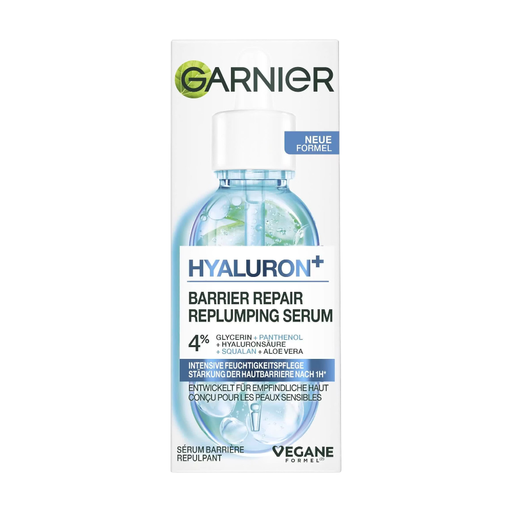
Why this product fits the profile: The 30 ml size and its focus on hydration make it suitable for anyone adding a face serum to their daily routine for the first time.
The product description specifically mentions hyaluronic acid and aloe vera. At the same time, the fragrance it contains should be considered before purchase if you have sensitive skin.
Lightweight hydration with glycerin, aloe vera components and sodium hyaluronate; 30 ml content.
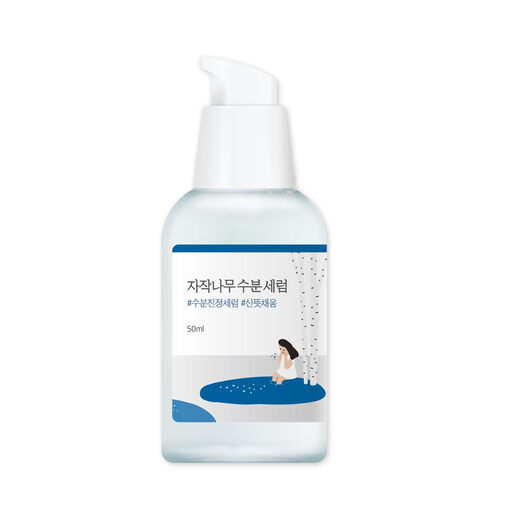
Why this product fits the profile: If you’re after a lightweight, everyday texture with multiple humectants, this clearly formulated Korean skincare product is a great choice.
The formulation lists several specific humectants, including glycerin and various forms of hyaluronic acid. The INCI list should be checked against the packaging before purchase.
50 ml content, lightweight texture according to the product description, plus beta-glucan, glycerin and hyaluronic acid in the formulation.
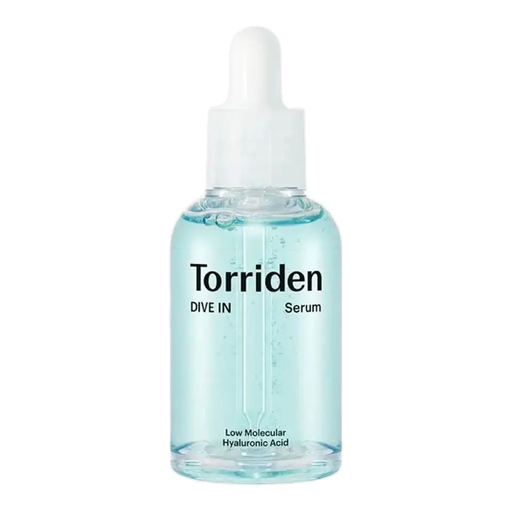
Why this product fits the profile: For regular use on skin that looks dry, the 50 ml format provides a practical supply for both morning and evening.
Rather than just promoting a single active ingredient, the product description lists five forms of hyaluronic acid, plus panthenol, ceramide NP and beta-glucan.
50 ml, vegan and fragrance-free according to the product claims; multiple hydration and barrier-supporting ingredients.
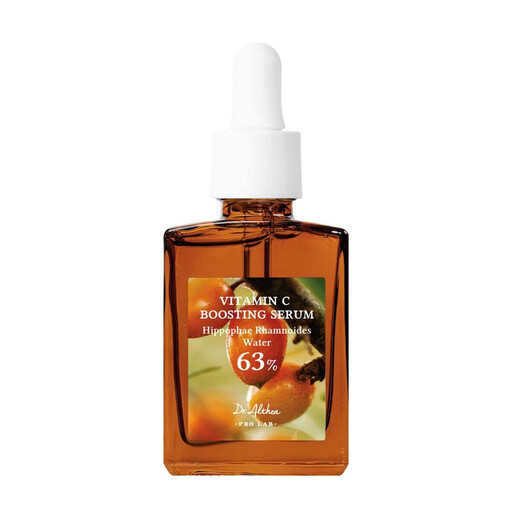
Why this product fits the profile: The combination of niacinamide, tranexamic acid and vitamin C derivatives appeals to those looking to tailor their routine towards a more even-looking complexion.
The product details name several active ingredients and, according to the description, are free from artificial colours and fragrances. A patch test is still advisable for reactive skin.
30 ml, 5% niacinamide according to the product description, plus tranexamic acid and vitamin C derivatives in the INCI list.
We’ve put together a full, regularly updated list of products that fully meet these strict selection criteria and the safety regulations in force in the EU.
A serum is usually applied after cleansing and, if you use one, after toner. A few drops or one or two pumps are often enough; the instructions on the packaging are the best guide. This is followed by a moisturiser, especially if you have dry skin.
In the morning, sunscreen should be the final step. New active ingredients should be introduced one at a time so you can better assess how well your skin tolerates them. If you experience persistent redness, stinging, itching or swelling, stop using the product and seek medical advice if needed.
Hydrating serums are often used both morning and evening. For vitamin C, acid, retinol or retinal products, the frequency depends on the formulation and your individual tolerance. A gradual increase is usually more sensible with active ingredients than switching products frequently.
This depends on the product. Some formulations state a period after opening, while others refer to the best-before date and packaging. A serum should be stored in a cool, dry place and, depending on the active ingredient, protected from light. A change in colour, an unusual smell or a noticeably altered texture are reasons to check whether you should continue using it.
In principle, a hydrating serum and a simple moisturiser can be combined. However, several active products shouldn’t be layered on top of each other without careful thought. With retinol, retinal, vitamin C and exfoliating acids in particular, it’s wise to follow the product instructions and start with a simple routine.