
Lieferung heute & morgen

Qualitätsgarantie

Willkommens-Angebote freischalten: KOSTENLOSE Lieferung | Bis zu 80 % RABATT | Kostenlose 30-Tage-JoyPlus-Testphase
App herunterladen
A facial cleanser is part of the daily routine for many women and men. Yet the huge range of face washes, cleansing foams, cleansing oils and cleansing balms can quickly lead to the wrong purchase. Not every product with terms like "deep cleansing", "pore care" or "vitamin C" suits your skin or your actual cleansing needs.
"Pore-refining", "clarifying" or "brighter complexion" often describe a desired effect, but not automatically a verifiable product feature. What is far more telling is the full INCI list, the product volume, the usage instructions and specific details about the ingredients it contains.
A facial cleanser is only rinsed off for a short time. Ingredients such as glycerin, panthenol or hyaluronic acid may be present in the formulation, but they do not replace subsequent skincare. Cosmetic claims should therefore not be equated with medical or therapeutic promises.
A thick foam can feel pleasant, but on its own it says very little about how well the skin will tolerate it. Very degreasing formulations or frequent rubbing can encourage a feeling of tightness on dry or sensitive skin. With a gentle facial cleanser, the surfactants used, the pH value and your own reaction after rinsing are far more important than the amount of foam.
Water-based cleansing foams and face washes remove sweat, dust and excess sebum. However, depending on the formulation, they cannot always fully remove waterproof sunscreen or make-up. A cleansing oil or cleansing balm can be useful as the first step of a double cleanse. Afterwards, a water-based cleanser can follow if needed.
A pH value around 5 to 5.5 is often described as close to the skin's natural level. This is an objectively verifiable product parameter, but it is not the sole proof of individual suitability. Just as important is whether the formula contains fragrances, alcohol, essential oils or potentially irritating preservatives.
Korean and Japanese facial cleansers often feature creamy foam textures, oil-based formulations or low-pH products. What matters is not the origin, but the specific ingredient list and the correct application.
Don't just compare the pack price, but also the price per 100 ml or 100 g. A 150 ml foam can last several months with daily use; the actual consumption depends on how much you dispense. With sets, check whether all the components sensibly fit into your routine and whether each individual product states its shelf life, batch number and ingredients.
These products should only be used externally. Avoid contact with the eyes. If redness, itching or burning occurs, stop using the product. For sensitive skin, a patch test on a small area before first use can be sensible.
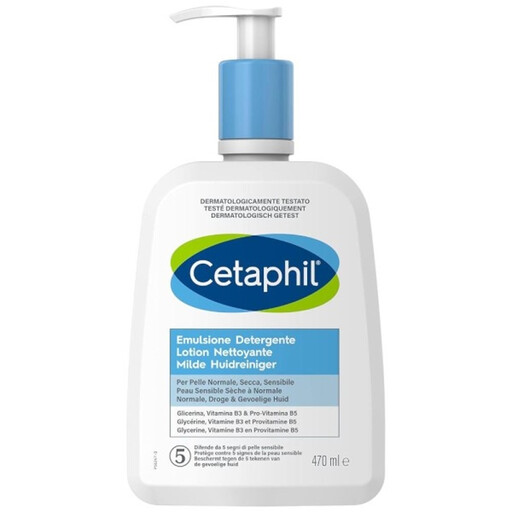
Why this product fits the profile: The 470 ml bottle is ideal for a straightforward morning and evening routine. The formula contains, among other things, glycerin, panthenol and niacinamide.
The large fill volume makes it easy to compare the price per millilitre. It can be used either with or without rinsing.
Large 470 ml quantity and a short, clearly listed INCI list.
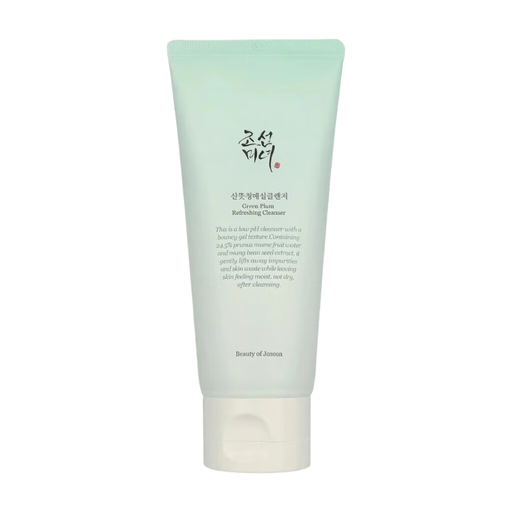
Why this product fits the profile: This Korean facial cleanser is formulated as a mildly acidic gel and, according to the product details, contains 24% plum water and 3% mung bean extract.
The stated pH-focused approach is more concrete than a general promise of "deep cleansing".
Gel texture, specific quantity details of individual ingredients and 100 ml content.
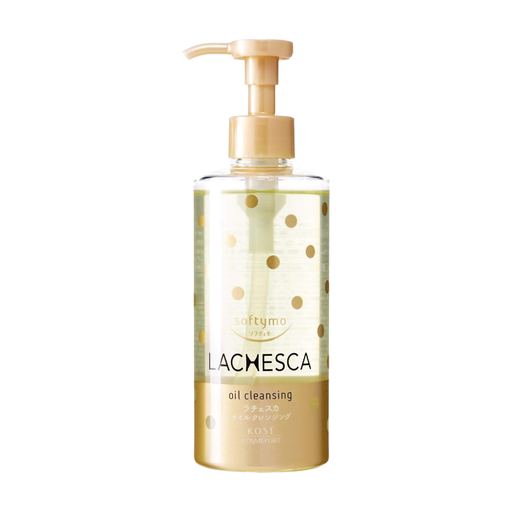
Why this product fits the profile: This Japanese cleansing oil is intended as the first step of a double cleanse for make-up and waterproof sunscreen. According to the product details, it can also be used with damp hands.
It separates the oil-soluble first cleansing step from the subsequent face wash.
230 ml content, designed for waterproof products and, according to the product description, free from parabens.
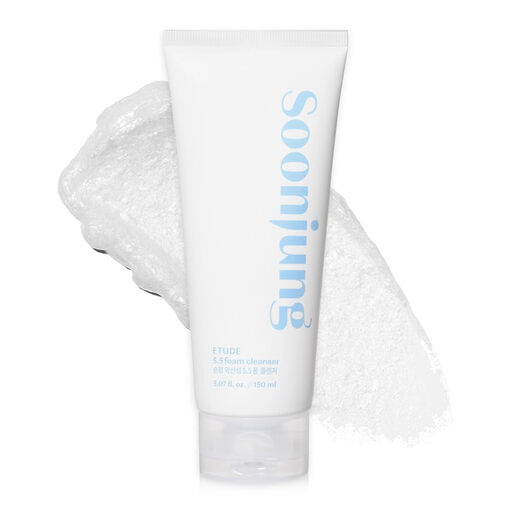
Why this product fits the profile: This Korean cleansing foam states a pH value of 5.5 and contains, according to the INCI list, panthenol and madecassoside. Fragrances and parabens are not included, according to the product description.
The specific pH value and the stated absence of fragrance make it easier to choose compared to generic sensitive-skin marketing claims.
150 ml content, creamy foam texture and clearly stated key ingredients.
Moisten your face and hands with lukewarm water. Use a small amount of facial cleanser, lather it in your hands first if needed, and massage it in without pressure for about 30 to 60 seconds. Then rinse thoroughly and gently pat your skin dry.
With a cleansing oil or balm, first dissolve make-up and sunscreen. Afterwards, a water-based facial cleanser can follow. A skincare set with cleanser, toner, cream and masks is particularly practical as a gift, but you shouldn't automatically use everything: it's best to introduce new products into your routine one at a time.
We have put together a complete, regularly updated list of products that fully meet these strict selection criteria and the safety regulations in force in the EU.
For many routines, use is recommended both morning and evening. For dry or sensitive skin, a single cleanse in the evening may be sufficient. What matters most is how your skin feels, the product instructions and your tolerance.
Refer to the best-before date stated on the packaging or the PAO symbol, for example "12M". The shelf life can vary depending on the product and batch. Close the container after use and store it in a dry, cool place away from direct sunlight.
That depends on the make-up and sunscreen you use, and how your skin feels. With waterproof or oil-based products, a cleansing oil or cleansing balm can take on the first step. Without this need, a suitable water-based facial cleanser is often sufficient.