
Lieferung heute & morgen

Qualitätsgarantie

Willkommens-Angebote freischalten: KOSTENLOSE Lieferung | Bis zu 80 % RABATT | Kostenlose 30-Tage-JoyPlus-Testphase
App herunterladen
Anyone looking to buy fish sauce will find a wide range of bottles from Thailand, Vietnam and other South-East Asian countries in the UK market. However, products can differ considerably in fish content, salt levels, sweetness, fermentation method, bottle size and intended use. Eye-catching packaging or a claim of “authenticity” is therefore not enough to make the right choice.
For home cooks, three typical buying barriers are particularly relevant:
In a classic Asian fish sauce, anchovy extract is often the key ingredient. The label should clearly state which fish is used and in what quantity. Examples from the selection include:
A higher stated fish content may result in a more pronounced fish and umami profile. That is not automatically suitable for every dish. For mild dressings or those just starting to explore South-East Asian cuisine, a more balanced sauce may be more practical.
Fish sauce is used in small quantities, but it often has a high salt content. The nutritional table provides an indication of how carefully it should be measured. According to the product information, X.O Fish Sauce contains 20 g of salt per 100 ml, while Squid Fish Sauce 725 ml contains 25.2 g of salt per 100 g. Tiparos lists 25 g of salt per 100 ml.
The sugar content also affects the flavour. Some Thai and Vietnamese products contain sugar to round off the salty seasoning. When cooking, add the sauce sparingly at first and only add more after tasting. This helps prevent soup, curry, stir-fried dishes or marinades from becoming too salty.
A 300 ml fish sauce is suitable for households that occasionally prepare Pad Thai, Pho, curries, soups or marinades. If you cook Asian dishes frequently or also use the sauce for dips and dressings, you may prefer a larger bottle. Variants holding 680, 700, 720 or 750 ml are better suited to frequent users.
Special recipes involve additional considerations:
When opening the bottle, you should also check the storage instructions on the label. Many products should be stored in a cool, dry place while unopened and refrigerated after opening. ZAB MIKE and other fermented specialities may have shorter recommended consumption periods.
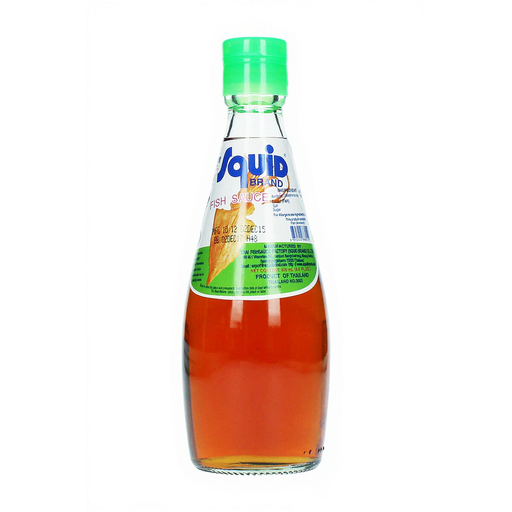
Why this product suits this profile: The 300 ml bottle provides a manageable supply for first dishes such as stir-fried vegetables, soups, marinades and dipping sauces.
The ingredients information states 77% anchovy extract. This makes the basis of the sauce clearer than with products containing an ambiguous seasoning blend.
300 ml contents, 10 g of protein and 55 kcal per 100 ml according to the product information; suitable for soups, dressings and stir-fries.
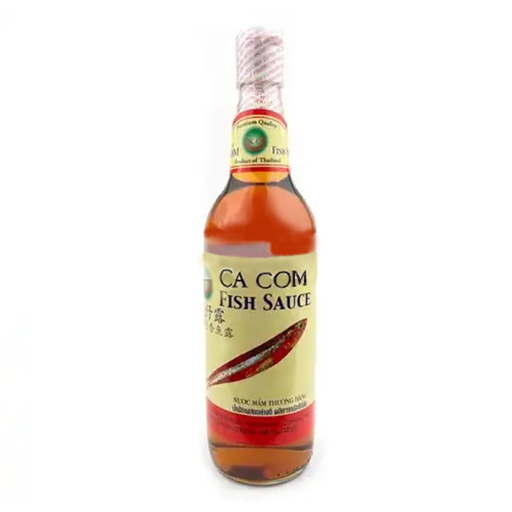
Why this product suits this profile: The large bottle is designed for households that regularly cook South-East Asian recipes and need a versatile base seasoning.
The information lists 70% anchovy extract, as well as salt, water and sugar. The salt content of 20 g per 100 ml should be taken into account when seasoning.
750 ml contents and, according to the product description, suitable for soups, stir-fries, marinades and salad dressings.
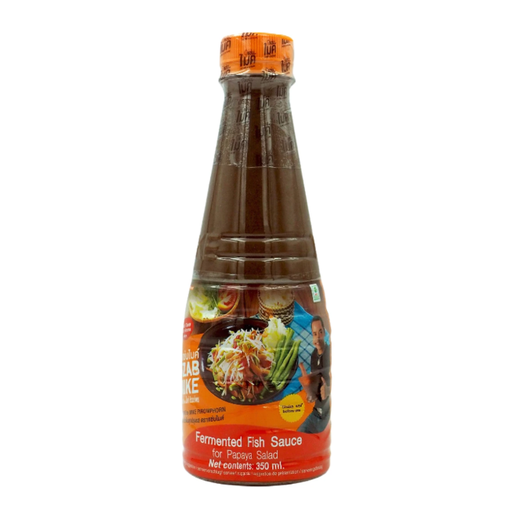
Why this product suits this profile: This sauce is designed for Som Tam and similar Thai specialities, making it an interesting choice for users focused on a specific recipe.
The name explicitly identifies it as fermented fish sauce for papaya salad. This prevents it from being confused with a neutral all-purpose sauce.
350 ml contents, originating from Thailand, and 93% fermented fish sauce according to the product information; consume within seven days of opening.
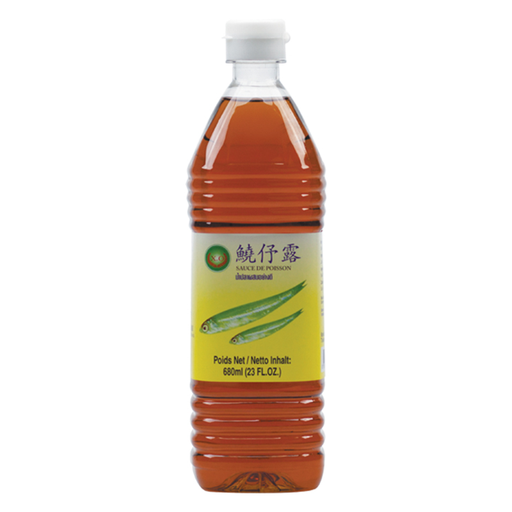
Why this product suits this profile: The 680 ml bottle is suitable for frequent seasoning of broths, curries, stir-fries and Nuoc Cham dips.
The product information lists 65% anchovy extract, as well as salt and sugar. The reference to its high salt content supports controlled dosing.
680 ml contents, originating from Thailand/Vietnam according to the product information, and versatile use as an Asian seasoning sauce.
We have compiled a complete, regularly updated list of products that fully meet these strict selection criteria and the safety regulations applicable in the EU.
Not every search for fish products is for a seasoning sauce. Sardines in tomato sauce and mackerel in tomato sauce are ready-to-eat canned products and differ significantly from fermented fish sauce. Mega Sardines in Tomato Sauce with Chilli 155 g combines sardines with tomato, chilli, garlic and onion. According to the product information, Geisha Mackerel in Tomato Sauce 155 g contains mackerel, tomato sauce and salt. Both products can be served with rice, pasta or vegetables. After opening, leftovers should be transferred to a suitable container, refrigerated and consumed within the short period stated on the product page.
This depends on the individual label. Many products should be refrigerated after opening and used promptly. ZAB MIKE specifies that it should be consumed within seven days, while other sauces state longer periods. The packaging, smell, appearance and manufacturer’s instructions should always be treated as the deciding factors.
Unopened bottles are often stored in a cool, dry place away from direct light. Once opened, refrigeration is recommended or advisable for many products, particularly fermented specialities and dressings. The specific storage recommendation may vary depending on the recipe.
As a starting point, a small splash or around half a teaspoon per portion is usually enough, depending on the recipe and salt content. Taste the dish afterwards. For Pad Thai, Pho, curries, marinades and Som Tam, the sauce is often balanced with acidity, sweetness or liquid. Adding it gradually prevents the Asian seasoning sauce from overpowering the other ingredients.