
Lieferung heute & morgen

Qualitätsgarantie

Willkommens-Angebote freischalten: KOSTENLOSE Lieferung | Bis zu 80 % RABATT | Kostenlose 30-Tage-JoyPlus-Testphase
App herunterladen
Anyone looking to create authentic Asian dishes will find one ingredient indispensable: fish sauce. Yet, when trying to buy the right fish sauce, many find themselves facing a confusing array of options. Labels promise "traditional taste," but the results in your own kitchen are often disappointing. This is often due to common product flaws hidden behind clever marketing.
This guide will help you identify the key quality markers and avoid making the wrong purchase. We focus on the facts so you can make an informed decision that suits your cooking style.
When buying Asian sauces, especially fish sauce, two issues often lead to unsatisfying culinary results and wasted money.
To avoid these pitfalls, you should check two key aspects on the label before buying. These provide reliable clues about the product's quality and intended use.
The percentage of fish extract is a direct indicator of the sauce's intensity and quality. A higher content, often from anchovies, indicates a more concentrated and flavour-rich product. Check the ingredients list to find the fish content. A good Thai fish sauce (Nam Pla) or Vietnamese fish sauce (N??c M?m) will declare this value transparently. Products with a fish content below 50% are often diluted and less complex in flavour.
A short and clear ingredients list is usually a good sign. Ideally, a fish sauce consists of fish extract, water, and salt. Sometimes a little sugar is added for balance. A long list of chemical-sounding names or multiple E-numbers should make you sceptical.
Also, consider what you want to use the sauce for. Are you looking for a universal seasoning or something specific? For dishes like the Chinese Suan Cai Yu seasoning, you need a completely different spice blend than for a Thai curry. For those who avoid animal products, there is now also vegan fish sauce, which derives its umami flavour from ingredients like seaweed and mushrooms and serves as an excellent alternative.
Here are some recommendations tailored to different needs and cooking habits.
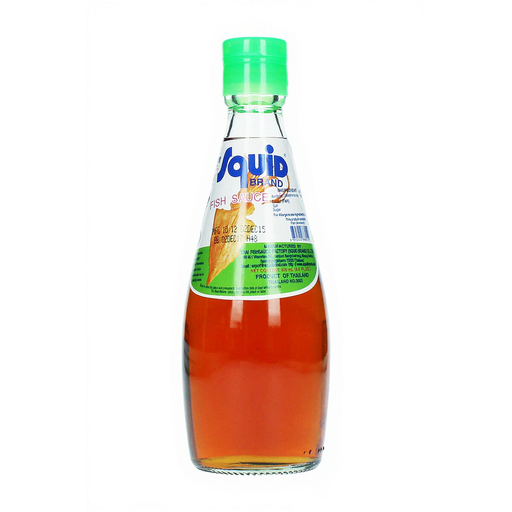
Why This Fits Their Persona: This sauce is an established standard in Thai cuisine, offering a balanced, not-too-extreme flavour profile. It's an excellent all-purpose sauce for stir-fries, soups, and dips, without overwhelming the novice cook.
It avoids the pitfall of an unbalanced flavour with a clean, simple recipe. The high 77% anchovy extract content ensures genuine umami instead of just tasting salty.
High fish content for authentic flavour; versatile for a wide range of dishes.
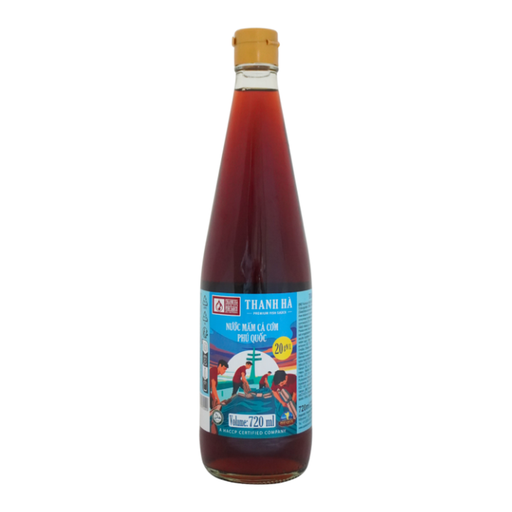
Why This Fits Their Persona: Anyone wanting to replicate the specific taste of dishes like Ph? or Bún Ch? needs an authentic Vietnamese fish sauce. This product comes directly from Vietnam and delivers the characteristic flavour profile of this regional cuisine.
It avoids the pitfall of unclear origin. The declaration as a Vietnamese product with a 35% fish content from Stolephorus commersonnii offers transparency often missing in generic "Asian sauces."
Authentic Vietnamese origin; high protein content (11g per 100ml) as an indicator of high concentration.
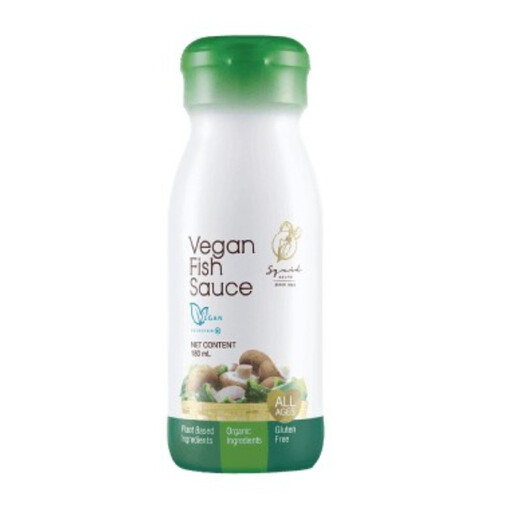
Why This Fits Their Persona: This sauce offers the complex umami flavour of a traditional fish sauce but is based entirely on plant-based ingredients. It is ideal for anyone following a vegan diet or wishing to avoid fish without compromising on taste.
It solves the problem of misleading purity by offering a clear, plant-based alternative. The ingredients list, featuring kombu seaweed and shiitake mushrooms, transparently explains the source of its umami flavour.
100% plant-based; gluten- and soy-free; creates a deep umami flavour without animal products.

Why This Fits Their Persona: This is not a simple seasoning but a complete kit for preparing the authentic Sichuan dish "Suan Cai Yu" (Fish with Pickled Mustard Greens). It is ideal for cooks who want to go beyond everyday seasoning and recreate a complex, restaurant-quality dish at home.
It avoids the mistake of improper use, as it is designed as a complete package for a specific dish. Instead of misusing a universal sauce, you get all the components for an authentic result.
All-in-one seasoning kit for an authentic Sichuan dish; includes the crucial ingredient of pickled mustard greens.
Beyond fish sauces, a variety of other products can add depth to your dishes, from spicy sardines in tomato sauce to special fish seasonings. We have compiled a list of products that meet our selection criteria.
Unopened bottles should be stored in a cool, dark place to maintain quality. After opening, refrigeration is recommended. While not strictly necessary for preservation due to the high salt content, it helps preserve the colour and delicate aroma over a longer period.
Although the lines can be blurry, Thai fish sauce (Nam Pla) is often considered saltier and more robust in flavour. Vietnamese fish sauce (N??c M?m) can have a slightly lighter and more complex aromatic profile, sometimes perceived as subtly sweeter. Ultimately, the exact differences depend heavily on the specific brand, fermentation process, and fish content.
A perfect substitute is difficult, as the fermented fish flavour is unique. In a pinch, light soy sauce or tamari can provide an umami effect, but it will lack the characteristic depth. For a vegan alternative, a dedicated vegan fish sauce based on seaweed or mushrooms is the best choice, as it most closely mimics the flavour.