
Lieferung heute & morgen

Qualitätsgarantie

Willkommens-Angebote freischalten: KOSTENLOSE Lieferung | Bis zu 80 % RABATT | Kostenlose 30-Tage-JoyPlus-Testphase
App herunterladen
Anyone looking to buy flour online will quickly find a wide range of varieties, pack sizes and product claims. However, cakes, bread, pizza, pasta and international dishes all have different requirements. A low price per pack means little if the flour variety is not suitable for the recipe, or if a large pack sits in the cupboard for too long.
This buying guide helps households, home bakers, catering businesses and people with specific dietary requirements narrow down their options objectively.
For wheat and spelt flour, the type does not automatically indicate baking quality. It mainly refers to the mineral content, which is linked to the flour’s ash content. Wheat flour Type 405 is pale and fine, and is often suitable for cakes, biscuits, delicate doughs and sauces. Wheat flour Type 550 contains more minerals and is often used for bread rolls, yeasted doughs, pizza and white bread.
Switching from Type 405 to Type 1050 can change the result. The dough will generally absorb more water and may have a more robust flavour. A recipe should therefore specify not just “wheat flour”, but ideally the appropriate type as well.
Wholemeal flour contains components from the entire grain and is not automatically gluten-free. Wheat, spelt and rye contain gluten. Spelt flour Type 630 and spelt flour Type 1050 are also not suitable for people with coeliac disease or a wheat allergy.
For gluten-free products, the information on the packaging is what matters. You should also check notices such as “May contain traces of soya, lupins or nuts”. This can also apply to corn or chickpea flour if other allergens are processed at the same production facility.
A 5 kg or 10 kg pack can make sense for catering businesses, high-volume users or people who bake bread regularly. For occasional use, however, it can lead to unnecessary costs if the flour absorbs moisture or unwanted odours. Wholemeal flour contains more components of the grain and may therefore be more sensitive during storage than refined white flour.
Once opened, flour should be stored in a dry, cool place away from light. An airtight container also provides protection against moisture and pantry pests.
The intended use is the most important selection criterion:
A short ingredients list makes it easier to assess a product. Campo Verde Demeter organic wheat flour Type 550, for example, is listed as wheat flour Type 550 and contains gluten. According to the product information, Alnatura organic corn flour consists of 100% corn and is labelled gluten-free and vegan; it also warns of possible traces of soya and lupins.
All ingredients should be checked in flour blends. This is particularly important for Multigrain Atta, tempura flour and Hakau flour mixes. Despite containing plant-based ingredients, a product may still contain wheat, soya or other allergens.
Compare the price per kilogram, not just the final price. For a small household, packs of 400 g to 1 kg are often easier to use up according to need. Larger packs such as 5 kg can be more economical for frequent baking, preparing chapati or use in professional kitchens.
Nutritional information can support an objective choice, but it does not replace personalised dietary advice. According to the product information, Xinliang wholemeal bread flour, for example, contains 10.4 g of fibre and 13.8 g of protein per 100 g. Wholemeal flour generally requires an adjusted amount of liquid and longer soaking times.
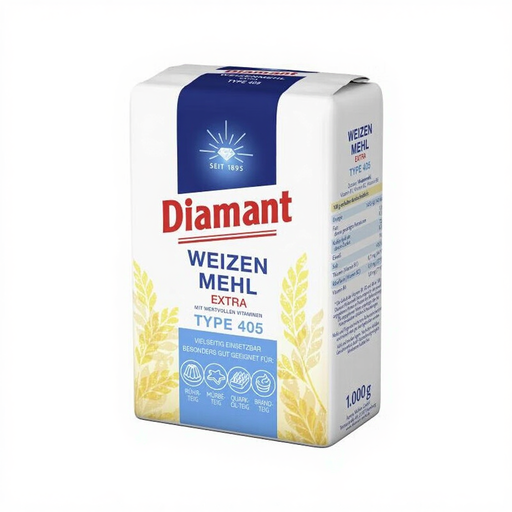
Why this product suits this profile: The 1 kg pack is a manageable size for first baking attempts and regular household recipes. Type 405 is suitable for cakes, biscuits, delicate doughs and dumplings.
The type and ingredients list are clearly stated. This makes it easier to use the pack for a specific purpose than an unspecified all-purpose flour.
1 kg contents; wheat flour Type 405; according to the product information, enriched with vitamins B1, B2 and B6.
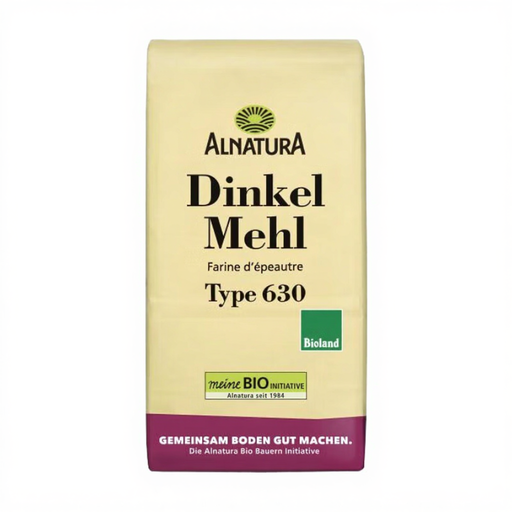
Why this product suits this profile: Its Bioland origin and precise type designation will appeal to buyers who value transparent product information and versatile baking uses.
The product description states the type, farming association, origin and allergens. It also explicitly identifies spelt as a gluten-containing type of wheat.
1 kg contents; Type 630; according to the product information, suitable for cakes, bakes, white bread and bread rolls.
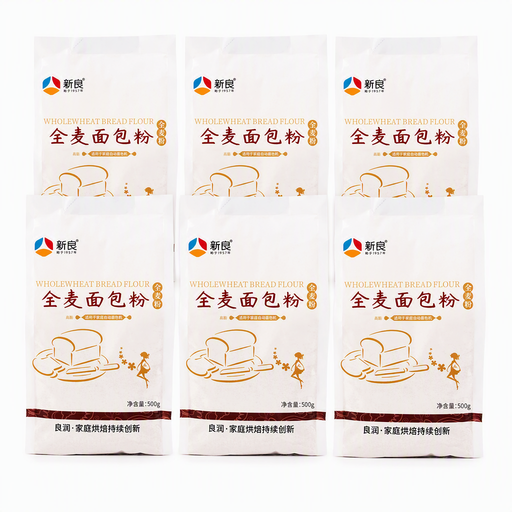
Why this product suits this profile: This multipack is aimed at people who regularly use flour for bread and want to store individual 500 g packs in a controlled way.
The individual packs mean you do not have to open the entire quantity at once. The product information also points out that wholemeal flour has a shorter shelf life.
6 × 500 g; according to the product information, 10.4 g of fibre and 13.8 g of protein per 100 g; intended for wholemeal bread.
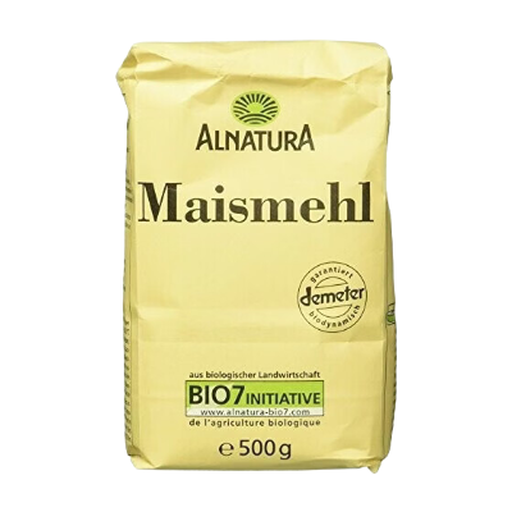
Why this product suits this profile: According to the product information, this finely milled organic corn flour is vegan and gluten-free, and is suitable for tortillas, cornbread, polenta and thickening.
The ingredients list contains only corn from Demeter-certified farming. The warning about possible traces of soya and lupins remains relevant, however.
500 g contents; 100% corn according to the ingredients list; labelled gluten-free and vegan.
We have put together a complete, regularly updated list of products that fully meet these strict selection criteria and the safety regulations applicable in the EU.
Wheat flour Type 405 is used in many cake recipes. It is fine and pale, and is often suitable for creamed mixtures, sponge cakes and biscuits. Spelt flour Type 630 can also be used in many recipes. As spelt dough can be more sensitive, you should follow the recipe’s recommended liquid quantity and kneading time.
The best-before date on the packaging is the key reference. Unopened flour should be stored somewhere dry and cool, away from heat. Once opened, an airtight container is recommended. Wholemeal flour and flours with a higher germ content should be stored particularly carefully and used promptly.
Products explicitly labelled gluten-free, such as corn flour, chickpea flour or certain gluten-free flour mixes, may be suitable. The ingredients and trace allergen information must be checked before buying. Spelt flour, wheat flour, durum wheat semolina and standard pizza flour Tipo 00 contain gluten and are therefore not automatically suitable for a gluten-free diet.