
Lieferung heute & morgen

Qualitätsgarantie

Willkommens-Angebote freischalten: KOSTENLOSE Lieferung | Bis zu 80 % RABATT | Kostenlose 30-Tage-JoyPlus-Testphase
App herunterladen
If you’re looking to buy food online, you’ll quickly find a huge selection of tinned goods, spreads, sauces and international cooking ingredients. Shopping online saves you time and makes it easier to compare products, but it doesn’t replace the need to check the ingredients list, allergens, nutritional values and storage instructions. Even products with similar packaging can differ significantly in their recipe, fat content, salt levels or intended use.
This shopping guide from the Joybuy Product Recommendation Officer will help you spot common marketing traps and choose the right products for your household, family, work life and international cooking.
A low unit price isn’t automatically good value. Always compare the price per 100 g or per kilogram and consider how quickly you’ll need to use the product once it’s opened. For many items in 340 g food sizes, the portion is practical for single-person households, whereas families may need several jars or tins.
Terms like “traditional”, “extra” or “indulgent” don’t guarantee a consistent recipe. What really matters are the ingredients listed in descending order and the nutritional information panel. For example, a jam can contain more than 50 g of sugar per 100 g, while a fruit spread with a different fruit and gelling agent ratio will have a different consistency.
Asian sauces, fermented tofu and tinned meats often contain soya, wheat or gluten. Storage requirements also change after opening: a tin of luncheon meat shouldn’t be left in the opened tin – it should be transferred to a sealed container and refrigerated. The same applies to products containing milk: once opened, they usually need to be kept in the fridge.
Before you buy, check:
For example, Exeter Chicken Luncheon Meat 340 g lists 80% mechanically separated chicken, water, wheat starch, spices, salt and E250. The product is labelled as halal and contains gluten. Exeter Corned Beef 340 g states it contains 91.5% cooked beef plus 5% beef, salt, sugar and sodium nitrite. This information allows you to make an informed decision without relying solely on the front of the packaging.
The 340 g size is common for many long-life foods. It’s suitable for:
Also check whether the product is ready to eat straight away or needs to be used as an ingredient. Fermented tofu is often added in small amounts to rice, congee, steamed buns, marinades or braised dishes. A sweet mango chutney, on the other hand, can be served as an accompaniment to curry, used as a spread or enjoyed as a dip.
Unopened tins and many long-life foods can be stored at room temperature in a cool, dry place, as stated on the packaging. Avoid direct sunlight and heat. Once opened, different rules apply depending on the product:
The best-before date refers to the quality of the unopened product when stored correctly. After opening, also check the smell, appearance and packaging.
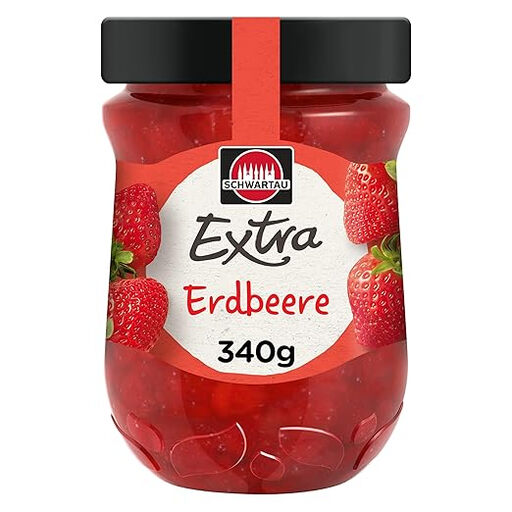
Why this product fits the profile: The 340 g size is ideal for a modest breakfast supply. According to the product information, the recipe contains strawberries, sugar, concentrated lemon juice and pectin.
The ingredients list and nutritional values of 224 kcal and 53.4 g of sugar per 100 g make comparison straightforward.
No declared allergens; store in the fridge after opening.
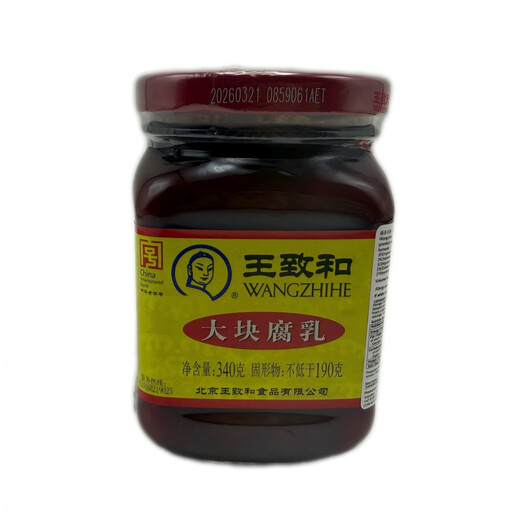
Why this product fits the profile: According to the product information, this fermented tofu is made from soya beans, wheat flour, salt, alcohol, red yeast rice and spices, and can be eaten straight away or used in cooking.
Soya and gluten are clearly labelled. The high salt content of 8.75 g per 100 g indicates it should be used in small amounts.
340 g net weight; suitable for rice, congee, steamed buns and braised dishes.
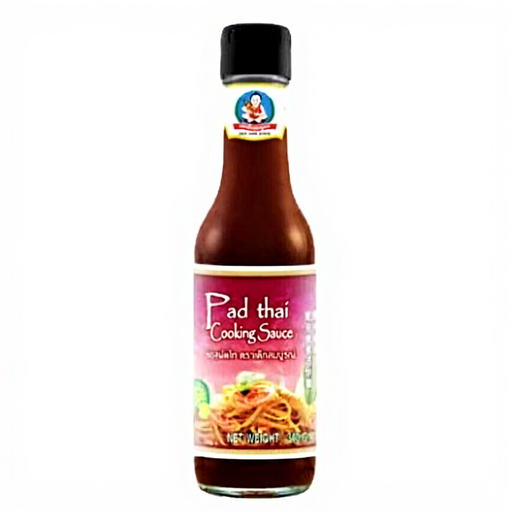
Why this product fits the profile: According to the product information, this sauce combines tamarind paste, shallots, garlic and chilli, and is intended for Pad Thai, stir-fries or as a dip.
The ingredient proportions are listed, including 15% tamarind paste. With 4.5 g of salt and 31 g of sugar per 100 g, you can plan your seasoning when cooking.
340 g bottle; according to the product information, no declared allergens and needs to be stored in a cool place after opening.
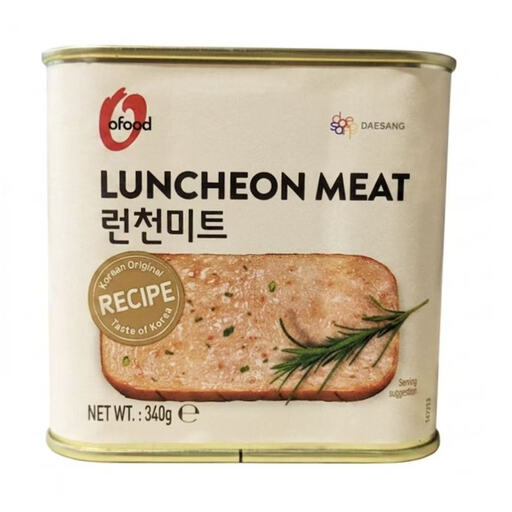
Why this product fits the profile: According to the label, this product contains 93% pork and can be sliced and fried, grilled, or used in stir-fries and fried rice.
The meat content is clearly stated. At the same time, 2.5 g of salt and possible traces of milk are listed, making label comparison easier.
Can be stored at room temperature when unopened; once opened, keep refrigerated and use within a short time.
If you want to buy tinned goods, you should distinguish between tinned meats, fruit products and cooking ingredients. With corned beef and luncheon meat, the meat content, salt, fat and preparation method are all important. With fruit spread or jam, the fruit content, sugar and gelling agents matter. A chutney often also contains acidity regulators, spices and sugar.
With condensed milk, the fat content is a useful comparison point. The range includes varieties with 4%, 7.5%, 8% or 10% fat, among others. Depending on whether you’re using it in coffee, tea, desserts or recipes, a lighter or creamier consistency may be more suitable. If you have a milk allergy, look out for the “contains milk” label.
Look at the best-before date, the net weight and the storage conditions. The exact date may vary for individual offers. When you receive your order, check the packaging, lid, tin and label. Do not use any damaged or swollen tins.
It depends on how much you use. For jam, chutney, fermented tofu or condensed milk, 340 g is often a handy size. For tinned meats, the amount may be enough for one meal, several sandwiches or a side dish. What matters is how quickly you can use the contents after opening.
Always check the current ingredients and allergen labelling on the product page and on the packaging. With Asian sauces and fermented tofu in particular, soya and wheat are often relevant ingredients. With luncheon meat, possible traces of other allergens may also be listed.