
Lieferung heute & morgen

Qualitätsgarantie

Willkommens-Angebote freischalten: KOSTENLOSE Lieferung | Bis zu 80 % RABATT | Kostenlose 30-Tage-JoyPlus-Testphase
App herunterladen
Author: Joybuy Product Recommendation Officer
Anyone looking to buy food online will quickly find a wide range of long-life products, gluten-free items, pasta, baking ingredients and international snacks. The wider choice saves trips, but it does not automatically make comparing products easier. Product images often show only the packaging, while important details about allergens, storage, preparation or serving size are tucked away in the small print.
When it comes to gluten-free food, the labelling is crucial. A product made from maize or rice is not automatically gluten-free. Oats can also need to be assessed differently depending on how they are processed and labelled. Anyone with coeliac disease or gluten intolerance should therefore always check the current ingredients list and allergen information on the packaging.
It is also important to distinguish these products from items that are vegetarian or vegan but contain wheat, barley malt or wheat gluten. This applies to many Asian snacks and vegetarian meat alternatives, for example.
A 500 g bag of pasta and a 95 g snack pack cannot be meaningfully compared based on the total price. Look at the price per kilogram or 100 grams. With larger packs, you should also check whether the contents can be resealed properly after opening and used within the intended period.
Frozen baked goods are not the same as ready-to-eat snacks. For Schär Kaisersemmel Gluten-Free 350 g, for example, the stated preparation method is to place the product in a preheated oven while still frozen and bake thoroughly at 180 °C for around six to seven minutes. Once defrosted, the product should not be refrozen.
For dry foods, a cool, dry storage place and an airtight seal after opening are important considerations. This applies equally to flour, pasta, gluten-free baked goods and oats.
The ingredients list shows what a product is made from and the order in which the ingredients are listed by quantity. Relevant allergens include wheat, gluten, soya, egg, milk, mustard and sesame. Asian snacks in particular may contain both wheat and soya.
Wei Long Spicy Small Gluten 360 g is one example: the product contains wheat gluten, soya and mustard, meaning it is not a gluten-free snack. Vegetarian meat alternatives based on seitan are also often made from wheat gluten. The description “plant-based” alone therefore says nothing about whether a product is gluten-free.
For products intended for people with coeliac disease, the specific labelling on the packaging should take precedence over general marketing claims. You should also check statements such as “may contain traces of …”. For a strictly gluten-free diet, the production process is also relevant. Always rely on the latest packaging information, as recipes and labelling may change.
For pasta, shape, ingredients and cooking time are useful points of comparison. Durum wheat semolina pasta, such as classic spaghetti, Riccioli or Fusilli, generally contains wheat and gluten. According to the product information, Alnatura Organic Durum Wheat Fusilli Pasta 500 g is made from Italian durum wheat semolina, is organically certified and has a cooking time of nine to ten minutes.
Gluten-free pasta is often made using maize and rice flour. According to the product information, Barilla Gluten-Free Spaghetti Pasta 400 g is made from white maize, yellow maize and rice flour. Here too, you should follow the preparation instructions on the relevant pack.
When choosing baking ingredients, the right option depends on the recipe:
For snacks, you should also compare the salt, sugar and fat content per 100 g. According to the product information, Wei Long Spicy Small Gluten 360 g contains 2.5 g of salt per 100 g, for example. Schär Saltí Salted Crackers 175 g, on the other hand, are gluten-free, vegan corn-based crackers; according to the product information, they contain soya and may contain traces of lupin.
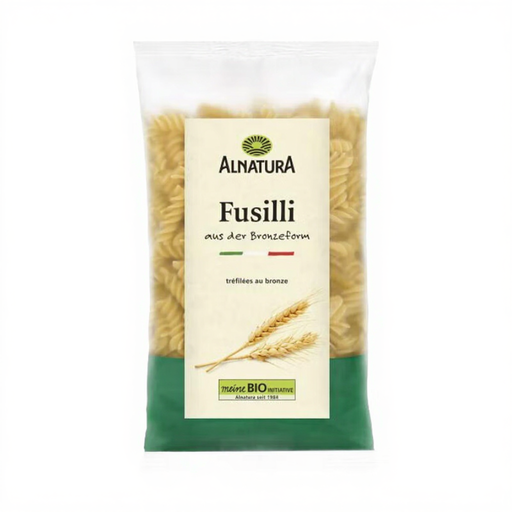
Why this product suits the profile: The 500 g pack is ideal for regular meals and can be served with pesto, sauces or in a pasta bake. According to the product information, the cooking time is nine to ten minutes.
The ingredients, cooking time, weight and organic certification are clearly stated. The reference to gluten prevents it from being confused with gluten-free pasta.
Organically certified, vegan and vegetarian; short cooking time of nine to ten minutes.
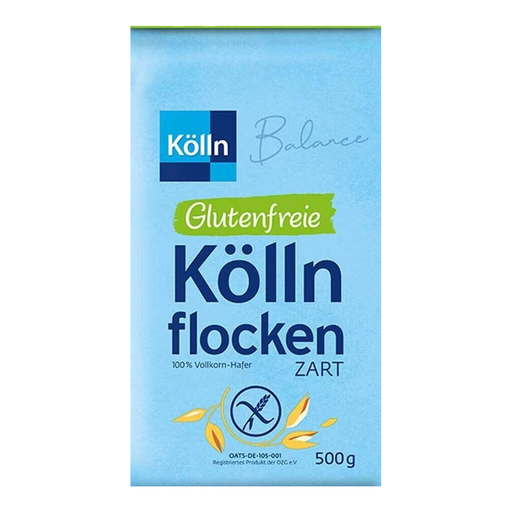
Why this product suits the profile: According to the product information, these tender oats are made from 100% wholegrain oats and are suitable for muesli, porridge and baking recipes.
The gluten-free description is highlighted alongside the ingredients and allergy information. Even so, the current packaging should be checked before consumption.
500 g pack, with no added sugar and no palm oil according to the product description.
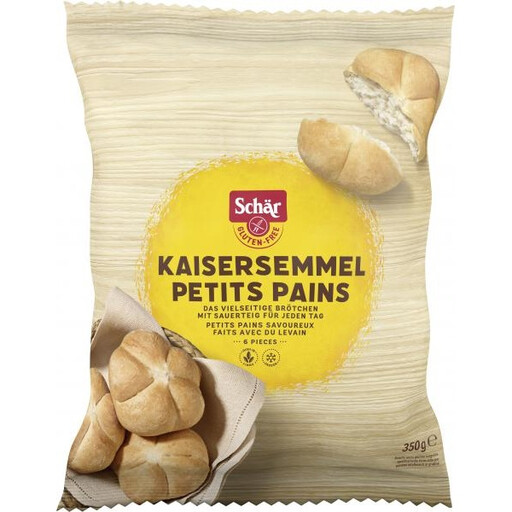
Why this product suits the profile: These frozen bread rolls are ideal for households that want to bake gluten-free goods in individual portions.
The item is clearly described as frozen and not ready to eat. The baking temperature and time are provided, so preparation does not have to be inferred from the product images.
350 g pack; gluten-free, lactose-free and vegan according to the product description. Contains soya.
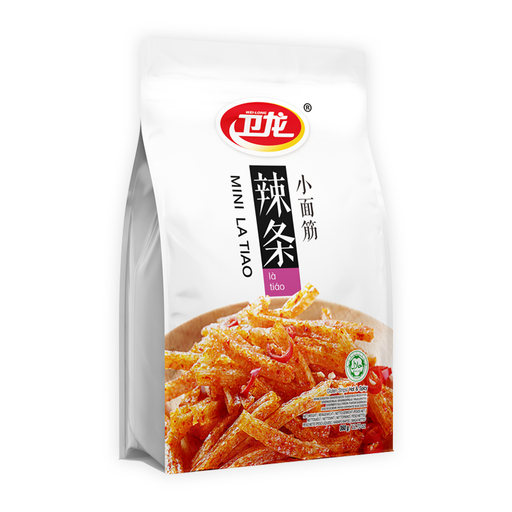
Why this product suits the profile: These ready-to-eat wheat gluten strips are aimed at people looking for Asian snacks with chilli, Sichuan pepper and cumin.
Wheat, soya and mustard are explicitly listed as allergens. The stated 2.5 g of salt per 100 g helps with mindful portion planning.
360 g pack, ready to eat and suitable for dry storage; flavour profile with chilli and Sichuan pepper according to the product description.
We have put together a complete, regularly updated list of products that fully meet these strict selection criteria and the safety regulations applicable in the EU.
Before completing your order, it is worth carrying out a quick check:
It depends on the unit price, delivery costs, pack size and special offers. Online, specialist products such as gluten-free pasta, gluten-free baked goods and Asian snacks are often easier to compare. For individual small orders, however, delivery costs can reduce the price advantage.
The best-before date is shown on the packaging and may vary depending on the delivery. Once opened, dry pasta, flour and crackers should be stored in a dry place and preferably in an airtight container. For frozen goods, it is important to maintain an uninterrupted cold chain and follow the instruction “do not refreeze”.
The current gluten-free labelling, ingredients list, allergen information and possible trace warnings are all crucial. Products containing wheat, wheat gluten or durum wheat semolina are not gluten-free. If you are unsure, check the packaging information and seek medical advice from a specialist if necessary.