
Lieferung heute & morgen

Qualitätsgarantie

Willkommens-Angebote freischalten: KOSTENLOSE Lieferung | Bis zu 80 % RABATT | Kostenlose 30-Tage-JoyPlus-Testphase
App herunterladen
Anyone looking to buy food online will quickly find a wide range of tinned goods, drinks, snacks, dairy products and ingredients for international dishes. The wider choice makes shopping easier, but does not automatically make comparing products simpler. Pack size, fat content, ingredients and storage instructions all determine whether a product is genuinely right for your household.
Large packs often appear inexpensive at first glance. However, with perishable products or items that only keep for a short time after opening, some may go unused. A 24-pack of beer with snacks, for example, may suit a party or a larger household, but be less suitable for occasional individual consumption. With coconut milk, it is also important to consider whether a 165 ml can is enough for one dish or whether a 400 ml can better matches the planned recipe quantity.
Terms such as “light”, “creamy” or “rich” are no substitute for checking the nutrition table. When you buy coconut milk, products can differ in factors including coconut extract content and fat content. Light coconut milk may be suitable for soups, drinks or lower-calorie recipes, while varieties with a higher coconut content offer a thicker consistency.
Even long-life products require suitable storage conditions. Cans should be kept somewhere dry and cool, away from direct sunlight. After opening, coconut milk, condensed milk and tinned goods generally need to be refrigerated and used promptly. If you have allergies, check information about milk, soya, gluten, celery, nuts or sulphites before buying. The labelling on the packaging delivered to you is always the definitive source.
If you want to buy Asian food online, start by comparing the coconut extract and fat content when choosing coconut milk. According to the product information, Wind Mill Coconut Milk with 14% fat and 400 ml contains 42% coconut extract. The 400 ml Valcom version lists 75% coconut extract and 18% fat in its product description. This means both products can be compared using specific details, without trying to infer flavour or suitability from the product name alone.
For lighter dishes, Renuka Light Coconut Milk with 9% fat and 400 ml may be worth considering. According to the product information, it contains 30% coconut extract. Thai coconut milk can be used in curries, soups, desserts and drinks; however, the right variety depends on the recipe and the consistency you want.
When comparing 400 ml coconut milk, the fill quantity is only one part of the decision. Check how much you need for the planned recipe and how long the remainder can be used after opening. The 165 ml Wind Mill cans are more suitable for smaller portions or individual uses. A 400 ml can may be more practical for several dishes or for keeping in stock.
The same principle applies if you want to buy condensed milk or buy milk powder. Condensed milk in 340 g packs is suitable for measuring into coffee, desserts and recipes. With milk powder, the mixing ratio, total weight and allergens are important. According to the product information, NIDO Whole Milk Powder is prepared with 32.5 g of powder and 225 ml of water for one glass; it contains milk and may contain traces of nuts.
Before buying, check the product information for the following:
If you want to buy ready-made soup, you can also compare salt content and allergens. Sonnen Bassermann Tomato Cream Soup is offered in a 6-pack, with 400 ml per pack. According to the product information, it contains celery and milk and should be heated before serving. When buying tinned goods online, an undamaged lid and the stated best-before date are important points to check.
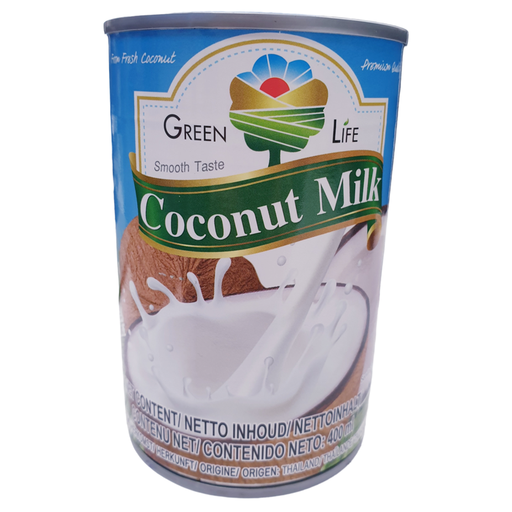
Why this product suits the profile: The 400 ml can provides a standard recipe quantity for curries, soups and desserts. The stated fat content of 5–7% makes it easier to assess before buying.
The fat content prevents the term “coconut milk” from being mistaken for a particularly concentrated recipe. Sulphites are listed in the ingredients.
400 ml contents; according to the product information, versatile for savoury and sweet dishes.
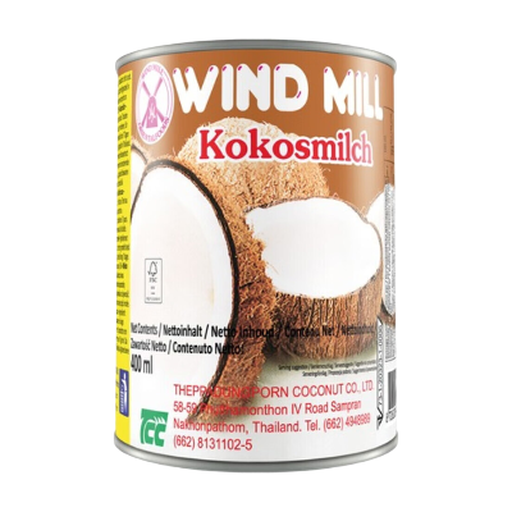
Why this product suits the profile: The product information states 42% coconut extract, 14% fat and Thailand as the country of origin. This makes it easier to choose for dishes that call for a creamier consistency.
The coconut extract and fat content are clearly stated, replacing broad claims such as “particularly rich”. The can should be shaken before opening.
400 ml fill quantity; according to the product description, suitable for curries, soups, desserts and drinks.
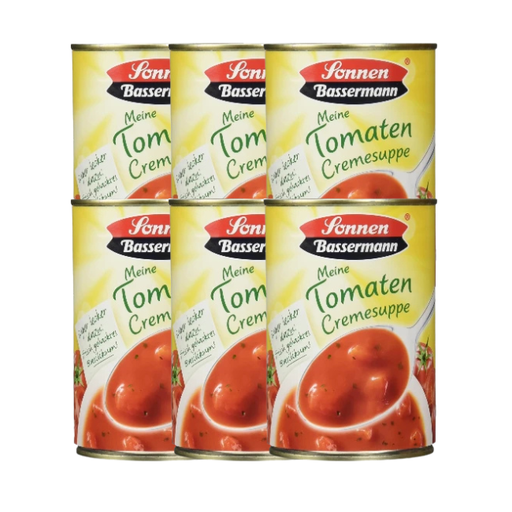
Why this product suits the profile: The pack of six, with 400 ml per pack, is aimed at households wanting a long-life meal for several occasions.
The pack size is clearly stated. Check the presence of celery and milk, as well as possible traces of gluten, egg, mustard and soya, before consuming.
Six individual portions; according to the product information, made without artificial colourings and to be heated before serving.
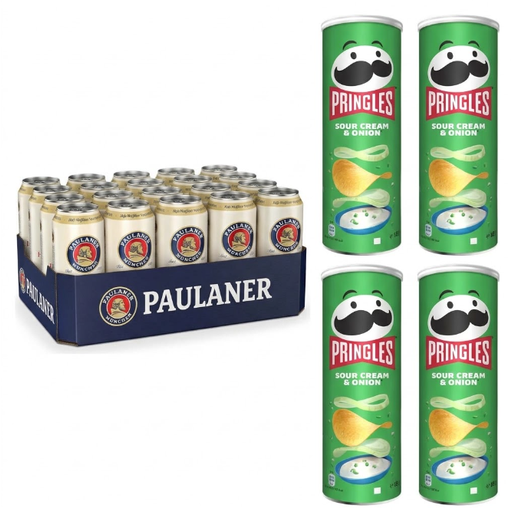
Why this product suits the profile: The bundle combines 24 bottles of 0.5 l each with four tubes of crisps weighing 185 g each, making it suitable for larger gatherings, barbecues or stocking up.
The quantities of beer and snacks are stated separately. This makes it easier to judge whether the ratio suits the planned number of people and the available storage space.
A combination of Paulaner Hefe-Weissbier and Pringles Sour Cream & Onion; suitable if you want to buy beer and snacks together.
We have put together a complete, regularly updated list of products that fully meet these strict selection criteria and the safety regulations applicable in the EU.
Depending on your needs, you can search specifically by product category:
Unopened tinned goods, coconut milk, milk powder, biscuits and long-life drinks can be stored under suitable conditions. A dry, cool storage area and checking the best-before date are essential. Opened products should be refrigerated according to the packaging instructions and used promptly.
This depends on the individual product. The product information may state, for example, three or seven days in the fridge. Coconut milk should be stored in a suitable container after opening. Do not consume cans that are damaged, swollen or rusty.
Check the ingredients and allergen list before ordering and again on the packaging delivered to you. Milk, gluten, soya, nuts, peanuts, celery, mustard and sulphites are particularly relevant. If you are unsure, always refer to the manufacturer’s current labelling.