
Lieferung heute & morgen

Qualitätsgarantie

Willkommens-Angebote freischalten: KOSTENLOSE Lieferung | Bis zu 80 % RABATT | Kostenlose 30-Tage-JoyPlus-Testphase
App herunterladen
Anyone looking to buy food online will quickly find a wide range of Asian food, confectionery, snacks and tinned goods. The variety is convenient, but it can make direct comparisons more difficult. Packaging images and marketing claims often reveal less than the ingredients list, net quantity, allergens and storage instructions.
As a Joybuy Product Recommendation Officer, I explain the most important selection criteria objectively, so you can find suitable products for your household, family, home cooking or food cupboard.
A low individual price is not automatically better value. The key factors are unit price, net quantity and intended use. A 150-g box of chocolates may be enough for a small gift, while a larger chocolate assortment may be more suitable for several people. With sauces, you should also consider how often they will be used and whether refrigeration is required after opening.
Asian sauces can vary considerably in saltiness, sweetness, acidity and intensity. Depending on the recipe, soy sauce may be suitable for marinating, dipping or seasoning. Fish sauce has a pronounced savoury flavour and contains fish, which is an allergen. Marketing terms such as “authentic” or “intense” are therefore no substitute for checking the ingredients and nutritional information.
Food may contain soya, wheat, milk, nuts, celery, sesame, fish or sulphites. You should check this information before buying. Instructions such as “refrigerate after opening” or “consume within two days” are equally important. This applies particularly to tinned goods, sauces and products containing nuts or milk ingredients.
Ingredients are generally listed in descending order by weight. When buying Asian food, it is worth checking the specific ingredients:
If you are unsure about an intolerance, always refer to the current labelling on the packaging. Product information may change.
Nutritional information usually refers to 100 g or 100 ml. This makes it possible to compare products regardless of pack size. With sauces, the salt content is particularly relevant when planning recipes: according to the product information, Squid Fish Sauce 725 ml contains 25.2 g of salt per 100 g, while HADAY Superior Light Soy Sauce contains 14.3 g of salt per 100 ml.
For honey, chocolate, pralines and sweets, the sugar and energy content is often the main focus. This does not mean these products are unsuitable; rather, the information helps you choose an appropriate portion size and product for the occasion.
Shelf-stable products are practical for keeping in your cupboard, but they still need suitable conditions. The following rules often apply:
The following selection categorises products according to typical uses. Pack size, ingredients, storage instructions and intended use are the key considerations.
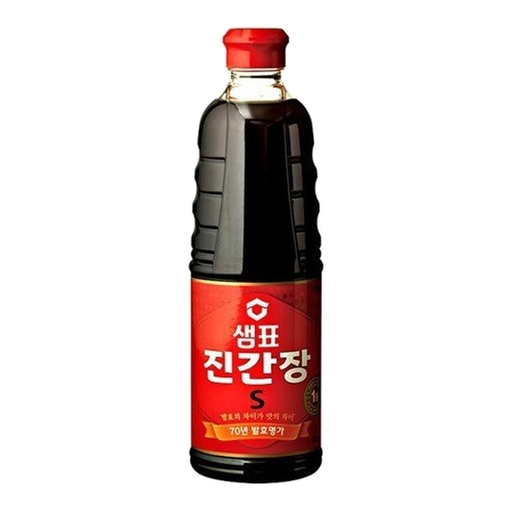
Why this product suits this profile: The 500-ml bottle is ideal for first attempts at cooking, marinades, dips and everyday meals.
The ingredients and allergen information clearly identify soya beans and wheat; the salt content is 13.4 g per 100 ml.
Suitable for seasoning, dipping and marinating; store in a cool place after opening.

Why this product suits this profile: According to the product information, this honey consists of 100% honey, while the 500-g jar is a practical size for regular household use.
The ingredients list is short, and the origin is stated as Germany, with a blend of EU and non-EU honeys.
Suitable as a spread, in tea or with muesli; store at room temperature away from light.
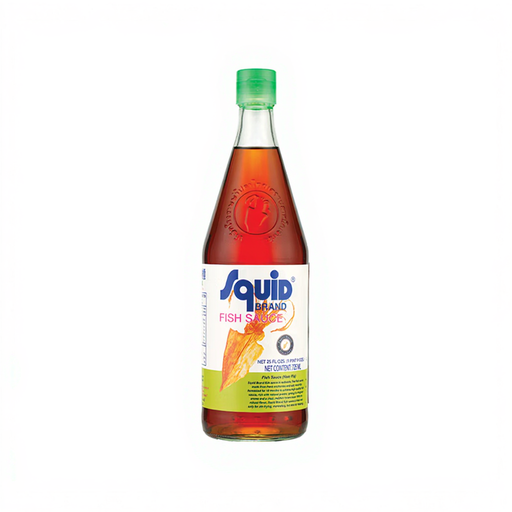
Why this product suits this profile: The large bottle is aimed at people who regularly prepare Asian dishes, marinades or dips.
The fish content is stated as 77%; the product contains fish and provides 25.2 g of salt per 100 g.
Made with anchovies, salt and sugar; refrigerate after opening.
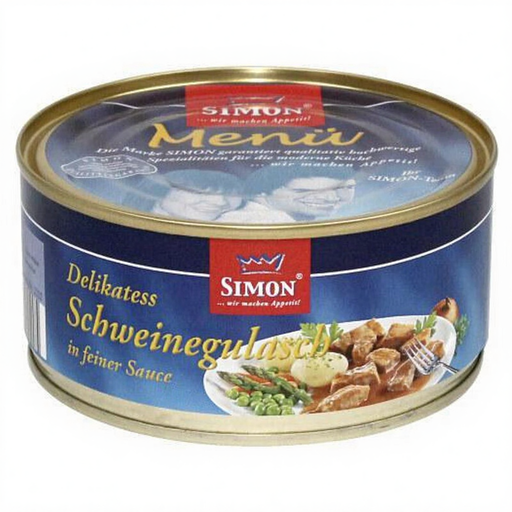
Why this product suits this profile: This ready-to-eat tinned meal can be stored and heated when you need a quick meal.
The information states that it contains 32% pre-cooked pork, wheat and celery; possible traces of mustard are also listed.
300-g tin, with a shelf life of at least 67 days unopened according to the product information; refrigerate after opening and consume within two days.
Other suitable cupboard essentials or snacks include Küstengold Waffelgebäck, Toffifee, Merci Pralinen, Raffaello, pickled peppers and dried apple chips. When comparing confectionery, pay particular attention to pack size, types of nuts and milk ingredients. Even snacks with no added sugar, such as Kotányi apple chips, still contain the apples’ natural sugar, which is included in the nutritional information.
We have put together a complete, regularly updated list of products that fully meet these strict selection criteria and the safety regulations applicable in the EU.
Shelf-stable products such as soy sauce, fish sauce, spices, honey, chocolate, pralines, tinned goods and packaged snacks are well suited to online shopping. For perishable goods, you should check the delivery conditions, temperature requirements and use-by periods.
This depends on the type of product and batch. The best-before date on the packaging is the key reference. Unopened tins and dry products can be stored for longer, while opened sauces or tinned goods often need to be refrigerated and consumed promptly.
Check the salt content, ingredients, allergens, bottle size and storage requirements after opening. A light soy sauce such as HADAY or Sempio should be assessed differently from a fish sauce or a flavoured ponzu sauce. Choose the variety according to whether you intend to use it for cooking, marinating, dipping or as a dressing.