
Lieferung heute & morgen

Qualitätsgarantie

Willkommens-Angebote freischalten: KOSTENLOSE Lieferung | Bis zu 80 % RABATT | Kostenlose 30-Tage-JoyPlus-Testphase
App herunterladen
Anyone looking to buy food supplements online will quickly find a huge selection of protein powders, capsules and sports nutrition. However, product pages can vary considerably in terms of serving size, composition, allergens and usage instructions. An eye-catching marketing slogan therefore says little about whether a product is right for your individual needs.
As a Joybuy Product Recommendation Officer, I filter the selection using clear, verifiable information. The focus is on the nutritional information, ingredients list, dosage and intended use.
For example, a protein powder may provide 24 g of protein per serving, while a weight gainer only states its calorie content when prepared with milk. This can make products seem difficult to compare at first glance. Always check:
Muscle-building supplements and fat burners often combine many ingredients. What matters is not the number of ingredients, but whether the amount of each one is clearly stated. For capsules, you should also compare the daily serving and the number of capsules per pack.
A weight gainer, for example, often contains large amounts of dextrose or maltodextrin. This may be relevant for people with high calorie requirements, but it is not automatically suitable for a goal such as weight management.
Whey protein and other milk protein products are unsuitable for people with a milk allergy. They may also contain soya, egg, gluten or lactose. If you are looking for vegan food supplements, do not just check the capsule shell – review the full ingredients list. “Plant-based” does not automatically mean that everyone will tolerate the product.
With whey protein, the protein content per 100 g is just as important as the protein source. A product may combine whey concentrate, whey isolate and hydrolysed whey. Sugar and fat content, as well as sweeteners, are also relevant when choosing a product.
According to the product information, Optimum Nutrition Gold Standard 100% Whey with 2.020 g provides 24 g of protein per 30-g serving and 113 kcal per serving. The ingredients list identifies milk and soya as allergens. The packaging information for the specific flavour is decisive, as nutritional values may vary.
According to the product description, ESN Designer Whey Protein Milk Chocolate contains a whey protein blend made from concentrate and isolate. It provides approximately 76 g of protein, 5.9 g of carbohydrates and 5.8 g of fat per 100 g. It contains milk and soya.
A weight gainer is primarily useful for people who find it difficult to meet their energy requirements through normal meals alone. According to the ingredients lists, products in the Mammut Crash range are largely based on carbohydrates such as dextrose and maltodextrin. Depending on the variant, they also contain protein sources from milk, whey, soya and egg.
Pay attention to how the product is prepared: one serving made with whole milk provides significantly more calories than the same amount of powder mixed with water. For controlled weight management, total daily energy intake is more important than the calorie content of a single shake.
With ashwagandha capsules, moringa capsules, spirulina chlorella, berberine, maca capsules or shilajit capsules, the origin, extract ratio, daily dosage and warnings should be your main considerations. Claims about “detoxification”, hormonal effects or disease prevention do not provide an objective basis for making a purchase decision.
If you take medication regularly, are pregnant or breastfeeding, or have an existing medical condition, it is advisable to consult a doctor before use. Food supplements are not medicines and are no substitute for a balanced diet.
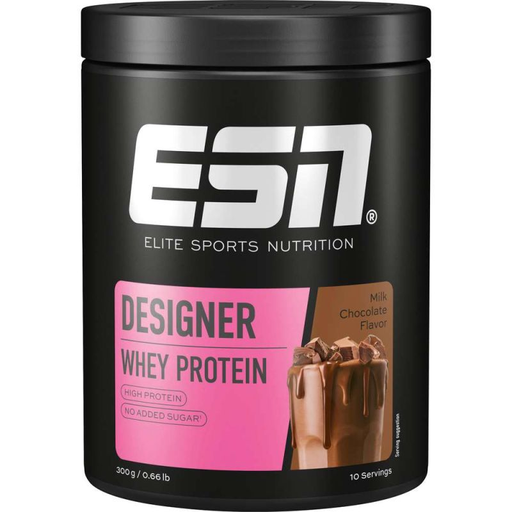
Why this product suits this profile: The 300 g pack is suitable for people who want to try whey protein in a smaller quantity first. According to the product information, a 30-g serving provides a whey protein blend made from concentrate and isolate.
The nutritional information states the protein, carbohydrate and fat content per 100 g. Milk and soya are listed as allergens.
300-g pack, 76 g of protein per 100 g according to the product data, and suitable for use with water, milk or a plant-based drink.
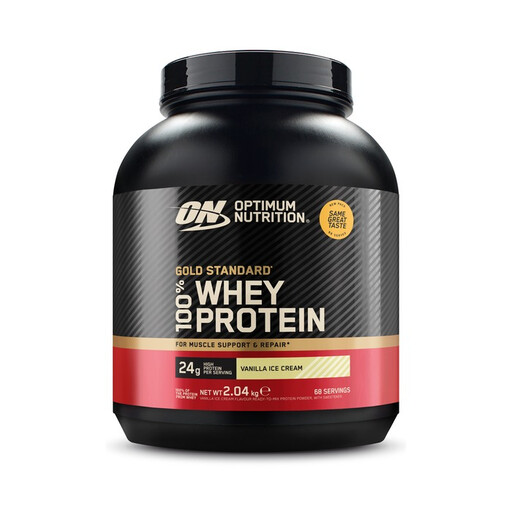
Why this product suits this profile: The large pack is aimed at regular users, such as strength and endurance athletes with recurring protein requirements.
The declaration states 24 g of protein and 113 kcal per 30-g serving, as well as the protein sources isolate, concentrate and hydrolysed whey.
2.020 g contents, 24 g of protein per serving and a preparation with 180–240 ml of liquid according to the product description.

Why this product suits this profile: The large pack is designed for adults with increased calorie requirements who use sports nutrition regularly.
The nutritional values distinguish between the powder and preparation with milk. This makes it easier to plan your actual calorie and protein intake.
80% carbohydrates according to the product description, several protein sources and 518 kcal per shake with milk when prepared as specified.
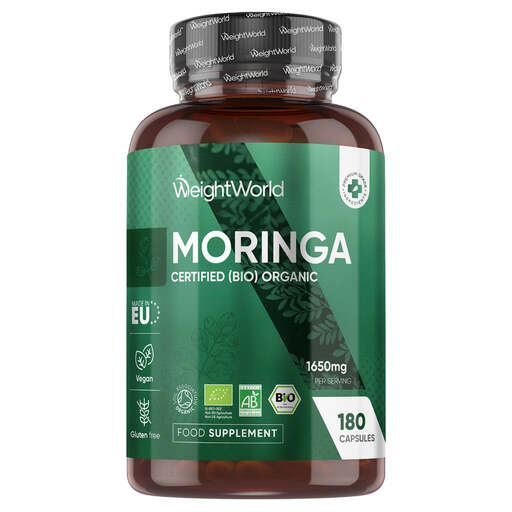
Why this product suits this profile: The plant-based capsule shell and stated composition of moringa leaf powder are suitable for a vegan diet.
The product data lists the ingredients, a daily intake of three capsules, and guidance for pregnant or breastfeeding women and people taking medication.
180 capsules, certified organic moringa according to the product description, plus information on a gluten-free, dairy-free and soya-free composition.
We have put together a complete, regularly updated list of products that fully meet these strict selection criteria and the safety regulations applicable in the EU.
Compare the protein content per 100 g and per serving, the protein source, allergens and recommended preparation method. Whey protein may be a useful daily supplement if you tolerate dairy products. For a vegan diet, plant-based protein powders may be suitable; check the amino acid sources and the actual protein content.
This depends on the net quantity and daily dosage. For powders, divide the total weight by the recommended serving size. For capsules, divide the number of capsules by the number taken per day. This calculation is more meaningful than the term “one-month supply”, as dosages vary from product to product.
No. For weight management, daily energy intake, a balanced diet and physical activity are the key factors. Products such as fat burners or berberine should not be viewed as substitutes for these fundamentals. If you take medication, particularly to regulate blood sugar, consult a doctor before taking berberine.