
Lieferung heute & morgen

Qualitätsgarantie

Willkommens-Angebote freischalten: KOSTENLOSE Lieferung | Bis zu 80 % RABATT | Kostenlose 30-Tage-JoyPlus-Testphase
App herunterladen
Anyone looking to buy food supplements online will quickly find a wide selection of capsules, powders, liquid sticks and strips. The challenge lies less in finding a product than in objectively assessing its dosage, ingredients, target group and how it is used.
Marketing copy often highlights individual ingredients. For an informed purchasing decision, however, the entire label matters. Three common pitfalls are particularly important:
Food supplements are not a substitute for a balanced diet. If you have a medical condition, are pregnant or breastfeeding, take medication regularly or are choosing supplements for children, you should discuss your selection with a doctor or qualified nutrition professional.
The label should state the amounts per daily serving. The NRV percentage under EU Regulation 1169/2011 also helps put the dosage into context. There is not always a statutory nutrient reference value for substances such as collagen, chondroitin, EPA, DHA, lutein or berberine. Even in these cases, the specific amount should still be stated transparently.
With vitamins and minerals, it is also important to consider whether you are already taking a multivitamin product. This applies, for example, to vitamin D, zinc, vitamin B6, iron and biotin. A high NRV value is not automatically a sign of quality.
The ingredients list shows whether a product meets your personal requirements. Among other things, check for:
This is particularly important for omega-3 capsules, collagen supplements, protein powder and children’s supplements. A fish oil product may contain gelatine, while a plant-based supplement is not automatically suitable for everyone.
A product can only be incorporated successfully into your daily routine if it is practical to use. Liquid sticks often do not require water, powders can be mixed into drinks or food, and melatonin strips dissolve directly on the tongue.
The details regarding daily dose, storage, shelf life and pack size are crucial. A pack containing 180 capsules can last several months when taken at one capsule a day. Liquid products or opened packs, however, may need to be used within a shorter period.

Why this product suits the profile: One tablet a day and a broad combination of vitamins, minerals, trace elements and lutein make it easier to get started with general nutritional support.
The formulation and amounts per tablet are clearly listed. This makes it easier to compare the product with additional supplements containing zinc, biotin or other vitamins.
40 tablets, daily use and stated NRV values for numerous nutrients included in the formulation.
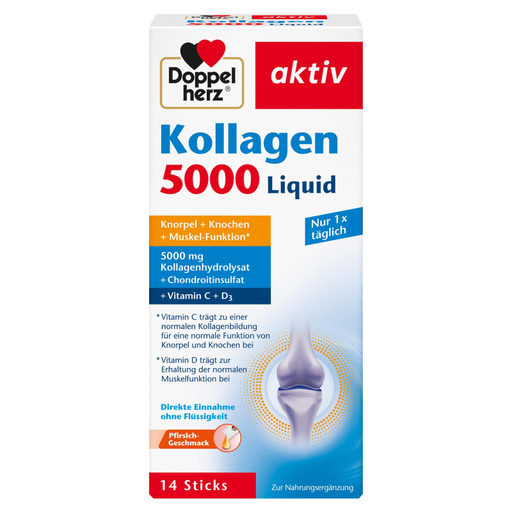
Why this product suits the profile: The serving is provided as a liquid stick and, according to the product information, contains 5,000 mg of hydrolysed collagen as well as vitamins C, D and E and manganese.
The collagen amount is stated per stick, rather than merely as part of an unclear blend. Information about vitamin D and taking other vitamin D products is also provided.
14 individual servings, no water needed and transparent information about the vitamins and minerals included.
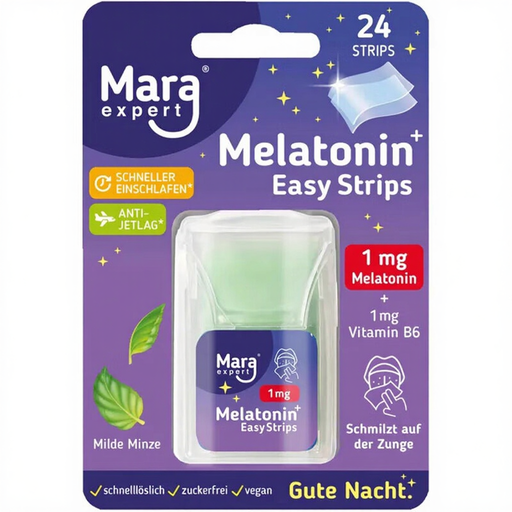
Why this product suits the profile: The water-free strips are ideal for people who prefer a compact format when travelling or in the evening.
The pack contains 30 individually dosed strips with clear instructions: place one strip on your tongue shortly before going to bed and do not exceed the recommended daily dose.
No-water use, compact packaging and, according to the product information, made in Germany.
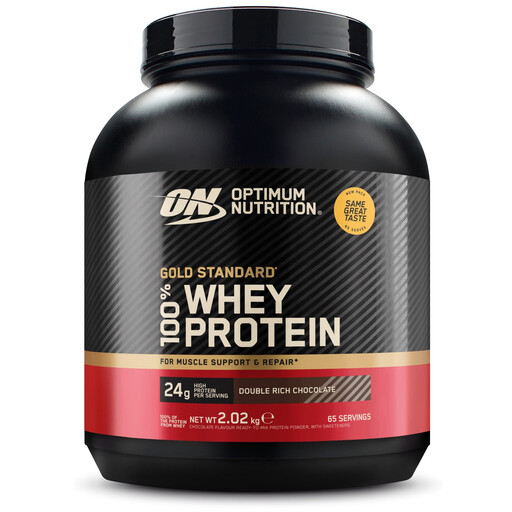
Why this product suits the profile: According to the product information, this protein powder provides 24 g of protein per 30-g serving and can be used in shakes, smoothies, porridge or recipes.
The serving size, protein content and allergens such as milk and soya are clearly stated. This makes it easier to compare the product with your personal daily requirements and diet.
30-g serving with 24 g of protein, 113 kcal per serving as stated, and versatile ways to use it.
We have put together a complete, regularly updated list of products that fully meet these strict selection criteria and the safety regulations applicable in the EU.
Different categories may be suitable for different situations. Women’s supplements, for example, may include products for the menstrual cycle or menopause. For KLOSTERFRAU menopause and menstrual products, particular attention should be paid to the minerals, plant extracts and usage instructions.
Men’s supplements range from multinutrient products to formulations containing zinc, selenium or plant extracts. With maca capsules and berberine capsules, the warnings are particularly important, as these products are not suitable for everyone or every combination of medicines.
For specific dietary goals, hair vitamins, eye vitamins, coenzyme Q10 or omega-3 products may be considered. For every supplement, remember that legally authorised nutrient-related claims refer to the nutrient in question and should not be confused with treating symptoms or medical conditions.
The best-before date on the packaging is the key reference. Once opened, products should be kept sealed, dry and protected from heat, in line with the storage instructions. Liquid supplements may have specific usage instructions after opening.
For a proper comparison, do not look only at the pack price. Divide the price by the number of recommended daily servings. With powders, water, milk or other ingredients may also be needed, depending on how they are prepared. A larger pack is therefore not automatically cheaper per daily serving.
Combining supplements is fundamentally a question of the individual ingredients and your personal circumstances. Above all, check for overlaps involving vitamin D, zinc, iron, vitamin B6, biotin and magnesium. If you take medication, are pregnant or breastfeeding, or are choosing supplements for children, the combination should be checked with a medical professional beforehand.