
Lieferung heute & morgen

Qualitätsgarantie

Willkommens-Angebote freischalten: KOSTENLOSE Lieferung | Bis zu 80 % RABATT | Kostenlose 30-Tage-JoyPlus-Testphase
App herunterladen
Anyone looking to buy a freezer should consider more than just capacity and price. The installation location, energy consumption, noise level, interior layout and how often fresh food will be frozen are also important. A freezer for a flat has different requirements from a chest freezer for a garage or cellar.
A freezer with a large usable capacity takes up more floor space and may result in higher running costs. If you mainly store ready meals, ice cream or small packs, you may only use part of a large chest freezer. For single people or couples, a small freezer with a capacity of 60 to 85 litres may be more suitable.
Advertising terms such as “Eco” or “efficient” are no substitute for specific data. Check the energy efficiency class and the stated annual consumption in kilowatt-hours. This is the only way to compare the electricity requirements of different appliances reliably. An EcoMode, such as that found on the Gorenje F49DPW, can adjust operation when less cooling is required; however, the feature is no substitute for checking the annual consumption.
A freezer with No Frost reduces or prevents ice build-up inside and generally eliminates the need for manual defrosting. However, cleaning, checking the door seal and keeping the ventilation openings clear are still necessary. Appliances with Low Frost or manual defrosting may also develop less ice, but they still need to be defrosted.
Base your choice on how you actually store food:
Drawers make sorting easier, while baskets in a chest freezer can often be removed. Before buying, measure the width, height, depth and door-opening area. You should also leave the clearances specified by the manufacturer around the appliance for ventilation.
A 4-star freezer compartment is designed for the long-term storage of frozen food. The star rating describes the temperature class that can be achieved, not necessarily how quickly food is frozen.
For this, the freezing capacity in kilograms per 24 hours is the relevant figure. A value of 2 to 4 kg per day is sufficient for a typical household. If you regularly freeze larger quantities of meat, vegetables or prepared meals, look for higher values and a fast-freeze function. Important: do not exceed the stated maximum capacity.
An energy-efficient freezer is particularly important if it will be running continuously. Compare the annual consumption in kWh with your personal electricity rate. The energy efficiency class alone does not show the absolute consumption, as larger appliances may offer more usable capacity.
A quiet freezer is recommended for kitchens, living areas or open-plan kitchens. Compare the noise level in decibels directly. The appliances listed here have stated noise levels of around 37 to 41 dB, although the noise you perceive will also depend on the floor, distance and room.
The climate class is important for cellars and garages. It indicates the ambient temperature range in which the appliance may be operated. According to the product information, a model with SN-T is designed for temperatures from 10 to 43 °C. Some appliances are also suitable for colder rooms. Always check the manufacturer’s specifications before installing a freezer in an unheated garage.
A freezer with a reversible door hinge can be adapted more easily to the layout of your room and kitchen units. This is not a consideration with a chest freezer, but you will need sufficient space above it to open the lid. Transparent drawers, baskets and interior lighting make it easier to find food quickly and avoid leaving the door open unnecessarily long.
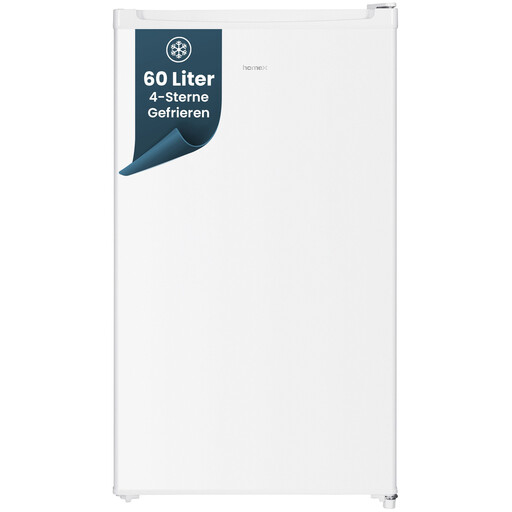
Why this product suits the profile: With 60 litres of usable capacity, a 4-star freezer compartment and compact dimensions, it is suitable for single people, couples or as additional freezer space in an office or holiday home.
The usable capacity is clearly stated; two transparent drawers and a compartment make it easier to keep everything organised rather than storing items haphazardly.
Freezing capacity of 2.8 kg per 24 hours, a reversible door hinge and a stated noise level of 40 dB.
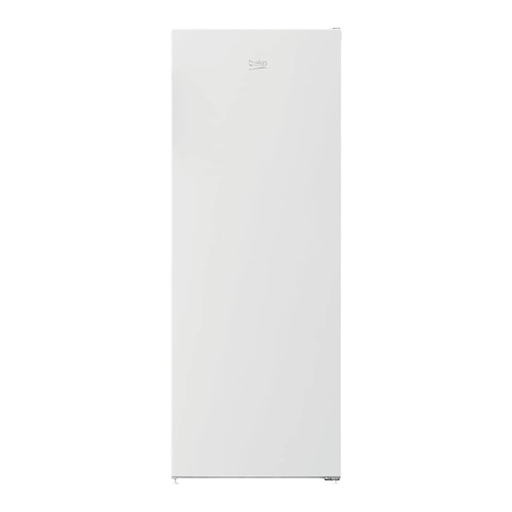
Why this product suits the profile: The combination of No Frost, 177 litres of usable capacity and a well-organised interior is ideal for households that regularly store frozen food.
The No Frost technology is backed up by specific features; the temperature alarm and Fast Freeze function are listed separately.
3 drawers, 2 compartments, a reversible door hinge and a stated noise level of 40 dB.

Why this product suits the profile: For larger stocks, seasonal food or installation in a suitable cellar or garage area, this chest freezer offers flexible storage space.
According to the product information, it can be installed in cold rooms down to -15 °C; the interior can also be switched between cooling and freezing modes.
142 litres of freezer capacity, freezing capacity of 8 kg per 24 hours, annual consumption of 146 kWh and a stated noise level of 39 dB.
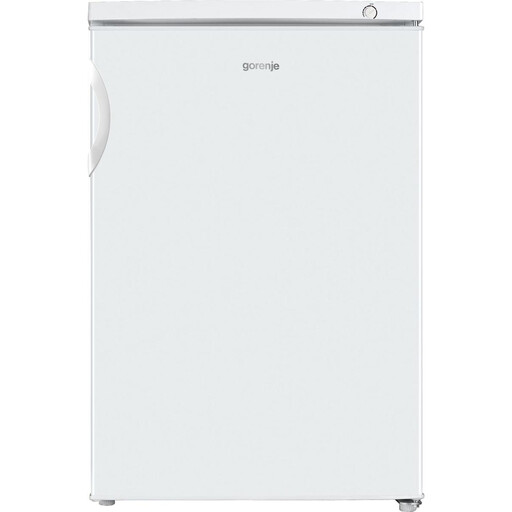
Why this product suits the profile: The upright, freestanding design with a width of 56 cm is suitable for a kitchen, utility room or well-ventilated cellar.
The 85 litres are divided between three transparent drawers; the reversible door hinge prevents restrictions when planning the room layout.
Energy efficiency class D, annual consumption of 131 kWh, EcoMode, freezing capacity of 4 kg per 24 hours and up to 15 hours of storage during a power cut, according to the product information.
We have put together a complete, regularly updated list of products that fully meet these strict selection criteria and the safety regulations applicable in the EU.
Before connecting the appliance, leave it upright for several hours so that the refrigerant can settle after transport. Place it on a level, dry surface and follow the ventilation clearances given in the operating instructions. A garage is only suitable if its permitted ambient temperature matches the appliance specifications.
Simple measures can help reduce electricity consumption:
It depends on your shopping habits. For one person, a mini freezer with 31 to 60 litres may be sufficient. Couples and small families often choose between 85 and 140 litres. If you store larger supplies, batch-cook or buy larger packs, a chest freezer with 141 litres or more may be a practical choice.
Running costs are determined by the annual consumption in kWh and your electricity tariff. Multiply the stated annual consumption by your price per kilowatt-hour. Actual consumption may vary depending on the room temperature, how full the appliance is, the temperature setting and how it is used.
Not every model. Check the climate class and permitted ambient temperature. Appliances specifically stated as suitable for cold rooms are a more reliable choice. A freezer for use in a flat or garage also needs a dry, level location with adequate ventilation.