
Lieferung heute & morgen

Qualitätsgarantie

Willkommens-Angebote freischalten: KOSTENLOSE Lieferung | Bis zu 80 % RABATT | Kostenlose 30-Tage-JoyPlus-Testphase
App herunterladen
Anyone looking to buy a freezer should consider more than capacity and price. The design, installation location, energy consumption, noise level and everyday organisation of the interior are all crucial. An appliance that looks great in the kitchen may be unsuitable in the basement. Conversely, a chest freezer offers plenty of storage space but is less convenient when frequently needed food has to be found quickly.
This buying guide from the Joybuy Product Recommendation Officer explains which specifications really matter and which marketing claims deserve closer scrutiny.
The stated capacity in litres is an important reference point, but it says little about how practical the interior layout is. An upright freezer with drawers uses its interior space differently from a chest freezer with one large, undivided compartment. Transparent drawers or removable baskets can make access easier, but may limit flexible loading to some extent.
For singles or couples, a small freezer with around 60 to 100 litres is often sufficient. Families or households that regularly batch-cook generally need between 140 and 250 litres. A 244-litre freezer, for example, can be a sensible choice when larger quantities are to be stored frozen on a permanent basis.
No Frost generally refers to automatic fan-assisted cooling, which prevents or significantly reduces frost build-up in the freezer compartment. Low Frost reduces ice formation, but occasional manual defrosting may still be necessary. This makes a practical difference when it comes to maintenance.
The Beko FS127940N uses a MinFrost system. According to the product specifications, it is designed to reduce ice formation; it is not a full No Frost model. Anyone who wants to avoid defrosting as much as possible should specifically look for a No Frost freezer and check the manufacturer’s information on automatic defrosting.
The EU energy label rates appliances from A to G. A freezer with energy efficiency class E is not automatically unsuitable, but its annual energy consumption should also be taken into account. Only by comparing annual kilowatt-hours, capacity and purchase price can you form a reliable overall picture.
For example, the 95-litre AUCMA chest freezer is listed with annual consumption of 165 kWh. The 141-litre model from the same product family is rated at 179 kWh per year. Figures like these make it easier to compare appliances of a similar size objectively.
An upright freezer requires a relatively small footprint and offers clear organisation through its drawers. It is suitable for kitchens, utility rooms and basements, provided the climate class is appropriate for the room.
A chest freezer makes use of floor space horizontally and can be practical for large or awkwardly shaped items. However, food often has to be stacked on top of other food. Baskets, castors and a counterbalanced lid make operation easier.
For a freezer for the garage, the minimum ambient temperature is particularly important. According to the product specifications, the Beko FS127940N is designed for unheated rooms down to -15 °C. The Bauknecht GTE 150MD and BGTE 250MC are also described as offering WinterProof operation down to -15 °C. Other appliances may only be suitable from 10 °C upwards. This specification should be checked before installing a freezer in a cold garage or unheated shed.
For open-plan kitchens, smaller flats or rooms next to a bedroom, the noise level in dB(A) is relevant. Differences that appear minor on paper can make a noticeable difference during continuous operation. Examples from the selection include:
Measurement conditions may vary from one manufacturer to another. The stated figure should therefore be regarded as a guideline, not a guarantee of a particular acoustic experience in the room.
Freezing capacity indicates how many kilograms of fresh food can be frozen within 24 hours. Anyone who regularly portions larger grocery hauls should look for an appropriate rating and a fast-freeze function. A temperature alarm can indicate a potential rise in temperature in the event of a power cut or if the door has not been closed completely.
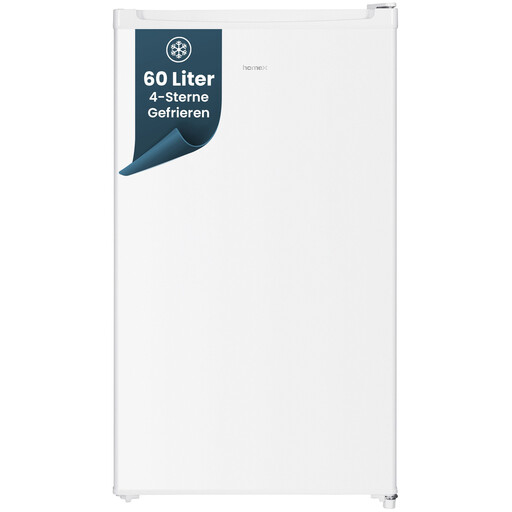
Why it’s a good fit: Ideal for singles, couples, offices or use as a second appliance, this compact model offers 60 litres of usable capacity in a footprint measuring 47.5 × 45 × 85 cm.
Two transparent drawers and an additional compartment prevent smaller supplies from disappearing in an undivided interior.
4-star freezer compartment, freezing capacity of 2.8 kg per 24 hours, reversible door hinge and 40 dB noise level.
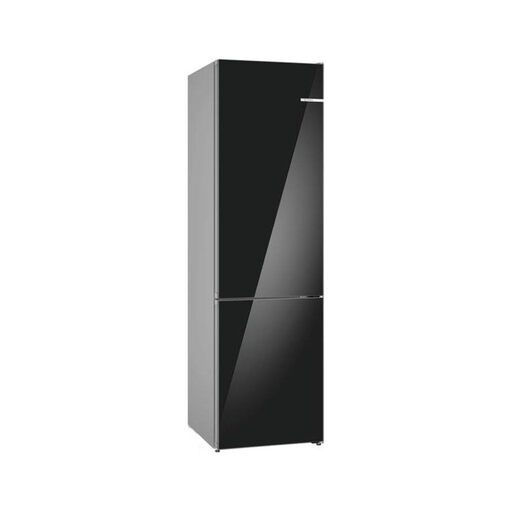
Why it’s a good fit: This fridge freezer is designed for households that need both refrigeration and freezing in a single appliance.
No Frost reduces maintenance, while the 103-litre freezer compartment remains separate from the 260-litre refrigerator compartment.
363 litres of total usable capacity, 35 dB, energy efficiency class C and reversible door according to the product specifications.
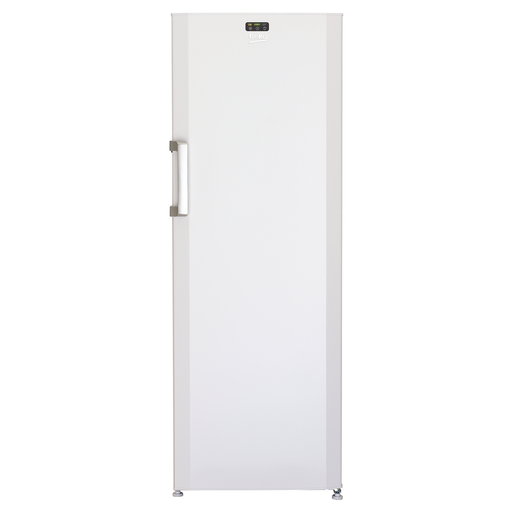
Why it’s a good fit: This upright freezer provides generous, well-organised storage for families and households that regularly freeze larger quantities.
The temperature alarm, five drawers and two flaps make monitoring and organisation easier. MinFrost should not be confused with No Frost.
244 litres of usable capacity, fast-freeze function, 36 dB noise level and reversible door hinge.

Why it’s a good fit: This chest freezer is intended for storing supplies in a basement, garage or utility room, provided the local conditions match the appliance specifications.
The stated WinterProof function down to -15 °C is designed for cold rooms; ventilation and minimum clearances should still be checked before purchase.
142 litres, Multi-Zone switching, touch display, interior lighting and freezing capacity of 8 kg per 24 hours.
The full selection includes additional models by design, capacity, No Frost features and intended location.
For one person or a couple, 60 to 120 litres may be sufficient. Families and stock-up shoppers should consider their requirements for frozen ready meals, meat, vegetables and home-cooked dishes. A larger appliance is only worthwhile if its storage capacity will be used regularly.
No Frost can reduce maintenance because manual defrosting is eliminated or required far less often. However, the purchase price, design and energy consumption may be higher. Anyone choosing a Low Frost or MinFrost appliance should factor in occasional defrosting.
Running costs depend on annual consumption in kWh and your individual electricity tariff. The calculation is: Annual consumption × electricity price per kWh. The EU energy label provides the relevant consumption figure. Room temperature, ventilation, door openings and ice build-up also affect actual operating costs.