
Lieferung heute & morgen

Qualitätsgarantie

Willkommens-Angebote freischalten: KOSTENLOSE Lieferung | Bis zu 80 % RABATT | Kostenlose 30-Tage-JoyPlus-Testphase
App herunterladen
If you’re looking to buy French wine online, you’ll find a vast selection from Bordeaux, Languedoc, Gascony and the Rhône Valley. But your choice shouldn’t rely solely on the label or a well-known name. Origin, grape varieties, alcohol content, residual sugar, bottle size and food pairing all offer far better guidance.
A wine from Bordeaux isn’t automatically full-bodied, dry or tannic. Within a single region, styles and compositions can vary significantly. A Bordeaux wine might be sold as a crisp white, a dry rosé or a structured red.
Similarly, names like Saint-Émilion Grand Cru, Côtes du Rhône or Corbières primarily describe origin and classification. They don’t replace the need to check grape varieties, alcohol content and flavour profile.
A dry red wine can be rich and high in alcohol. A dry white wine, on the other hand, can taste fresh, fruity and zesty. What really matters are residual sugar, acidity, alcohol and ageing method.
When shopping online, don’t just filter by “dry”. Also check whether the wine suits your planned dishes and the ideal serving temperature.
A wine in a 6-pack is great for parties or regular consumption. But for a single evening, such a format can be unnecessarily large. Always check the quantity, bottle size and your storage space. Six bottles of 0.75 litres each equals 4.5 litres of wine.
The region influences climate, soil and typical styles:
Alcohol content is an objective point of comparison. In our selection, you’ll find 11.0% ABV for the Terres d’Artagnan Blanc, 12.5% ABV for the Gérard Bertrand Gris Blanc Rosé, and 15.0% ABV for the Gérard Bertrand Héritage 1650 La Clape.
Acidity and residual sugar also help with classification. According to the product details, the Terres d’Artagnan Blanc has 3.3 g/l acidity and 6.5 g/l residual sugar. The Gris Blanc Rosé shows 3.5 g/l acidity and 2.0 g/l residual sugar. These figures are far more useful than vague descriptions like “fresh” or “harmonious”.
If you’re looking for organic French wine, check for a specific organic control number or a recognised organic seal. For example, the Gérard Bertrand Change Organic Cabernet Sauvignon lists the certification body FR-BIO-01. A brand description alone is no substitute for this kind of labelling.
Wine must also declare sulphites. All the products mentioned here list sulphites as an allergen. Always check ingredient and allergen information before buying, especially if you’re serving guests with intolerances.
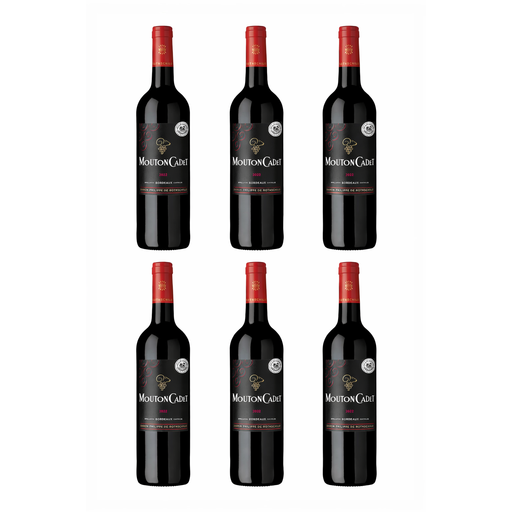
Why this product suits the profile: The 6-bottle format is ideal for regular occasions and hosting. This dry Bordeaux red is listed at 12.5% ABV with a recommended serving temperature of 18 to 19 °C.
The product page clearly states origin, flavour profile, alcohol content, bottle size and serving temperature.
Dry red wine from Bordeaux; six bottles of 0.75 litres each.
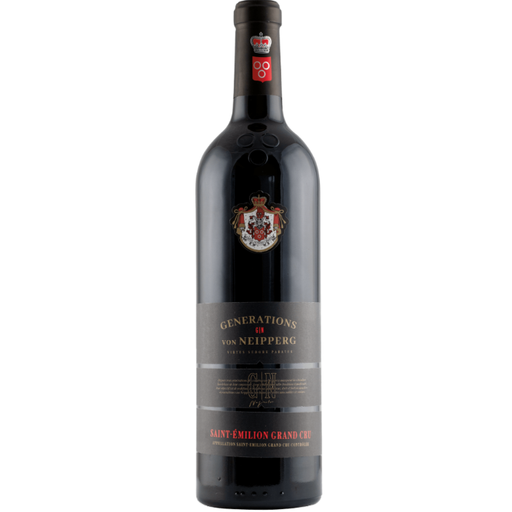
Why this product suits the profile: This blend of Merlot and Cabernet Franc comes from Saint-Émilion on the right bank of Bordeaux and is described as dry, velvety and rich.
Origin, grape varieties, organic certification, 13% ABV and serving temperature of 18 °C are all listed.
Organic certification in the product details; classic Bordeaux blend of two grape varieties.
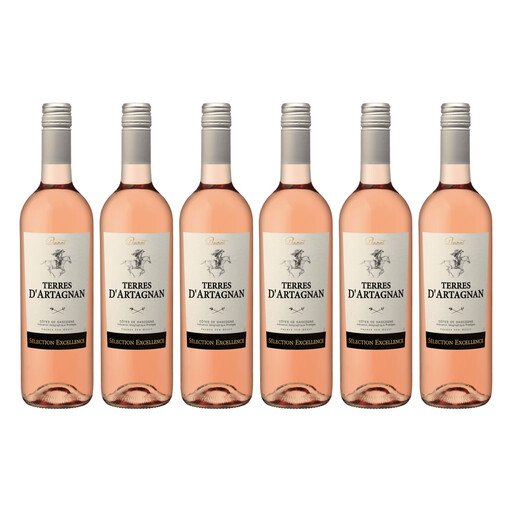
Why this product suits the profile: The 6-pack with 4.5 litres is ideal for parties and social gatherings. The product details describe this rosé as dry and fruity.
Number of bottles, individual volume, origin (Côtes de Gascogne) and sulphite warning are all transparently listed.
Practical large format; dry rosé wine for light dishes and larger groups.
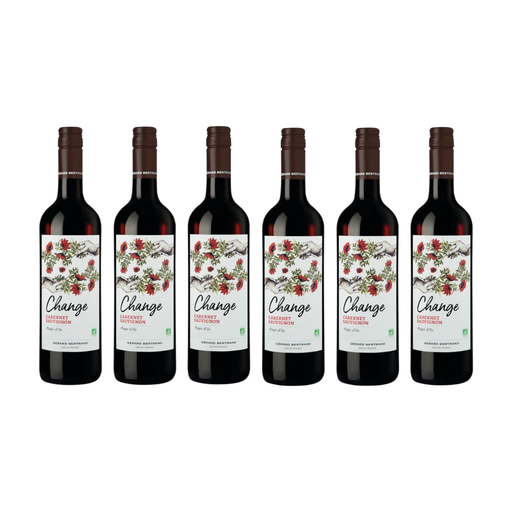
Why this product suits the profile: This French red wine is listed as an organic product with the control number FR-BIO-01 and comes in a 6-bottle format.
The organic claim is backed by a specific control number; 13.5% ABV and sulphites are also listed.
Organic Cabernet Sauvignon from France; screw cap and six bottles of 0.75 litres each.
We’ve put together a complete, regularly updated list of products that fully meet these strict selection criteria and the safety regulations in force across the EU.
For larger groups, wine in a 6-pack or mixed formats are practical. Rosé and fresh white wine work well with lighter dishes, while dry red wine can be served with meat and cheese. Before buying, check the number of bottles, volume and your storage space.
This depends on the type of wine, the closure and storage conditions. After opening, keep the bottle cool, dark and as airtight as possible. For the best quality, red, white and rosé wines should be consumed promptly. Actual shelf life may vary by product.
Shipping costs, delivery times and any minimum order values vary by retailer and order. These are shown in the basket or on the product page. You should also compare the total price per 0.75-litre bottle, especially with 6-packs. In Germany, wine may only be sold to persons aged 16 and over; the relevant statutory warnings apply for pregnant women and minors.