
Lieferung heute & morgen

Qualitätsgarantie

Willkommens-Angebote freischalten: KOSTENLOSE Lieferung | Bis zu 80 % RABATT | Kostenlose 30-Tage-JoyPlus-Testphase
App herunterladen
Anyone looking to buy French wine online will find a wide selection of red wine, white wine, rosé, Champagne and French spirits. However, product names alone rarely provide enough information to make the right choice. Origin, flavour profile, alcohol content, bottle size and the intended occasion are all important factors.
When buying online, three common pitfalls can lead to unnecessary spending:
The first choice should be based on the style you want:
The region provides clues about the style and production area, but does not replace information about the grape variety. Pays d’Oc wine comes from Languedoc-Roussillon in southern France and is often offered as an easy-drinking, varietal-focused option. Bordeaux wines, on the other hand, may be based on classic cuvées.
Comtes von Neipperg Saint-Émilion Grand Cru lists Merlot and Cabernet Franc. The bottle comes from the right bank of the Bordeaux region, has 13 % ABV and should be served at around 18 °C. If you are looking for a dry, full-bodied red wine for a special meal, you should also check the bottle size and vintage information on the product page.
For a household that drinks wine regularly, a 6-pack of wine can be practical. Before buying, however, you should consider storage space, the time it will take to consume and the delivery weight. Individual 0.75-litre bottles are more suitable for trying something new or giving as a gift.
Serving temperature also affects how a wine is perceived:
All the alcoholic products mentioned include advice on responsible consumption. Sulphites are listed as an allergen in many wines. Sales and supply must comply with the applicable legal age requirements. In Germany, spirits such as Cognac may only be supplied to people aged 18 and over.
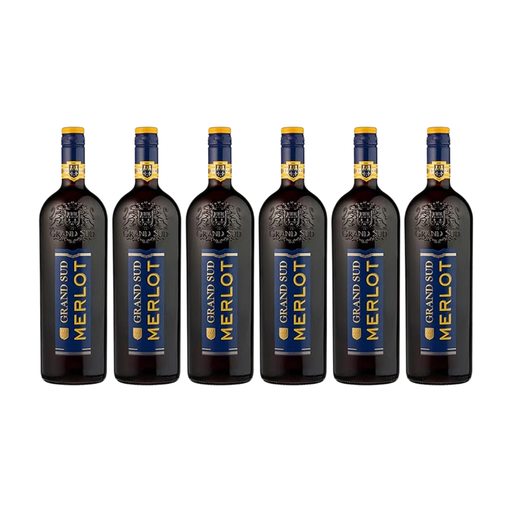
Why this product suits this profile: The 6-pack contains six 1-litre bottles, making it suitable for shoppers who regularly serve red wine or want to stock up for several occasions.
The product data specifies the grape variety, origin, alcohol content, sweetness level and serving temperature. This makes it easier to compare the pack size with your actual needs.
Dry Merlot with 13 % ABV; according to the product details, it pairs well with poultry, grilled dishes and cheese.
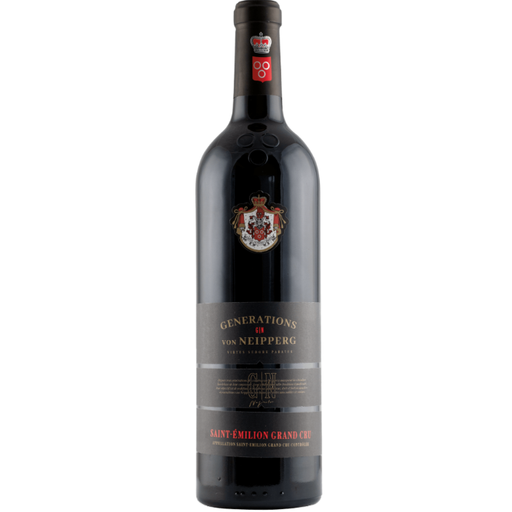
Why this product suits this profile: The 0.75-litre bottle from Saint-Émilion is suitable for a planned menu or special occasion where origin and cuvée are important considerations.
The origin, grape varieties, style, alcohol content and recommended temperature are all clearly specified, making it easier to assess the wine beyond general marketing claims.
Dry, velvety style; cuvée made from Merlot and Cabernet Franc; 13 % ABV according to the product description.
Why this product suits this profile: The 0.75-litre bottle is supplied in a gift box, making it suitable for festive occasions, aperitifs or as a present for adult recipients.
The product information lists the grape varieties, ageing time on the lees, alcohol content, allergens and serving temperature.
Brut Champagne with 12.5 % ABV; according to the product details, matured on the lees for 36 months and suitable for fish and seafood.
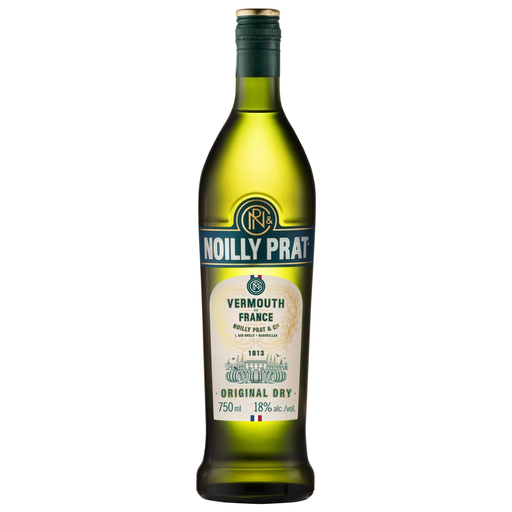
Why this product suits this profile: French vermouth is an option for aperitifs, cocktails and home bars. This bottle is aimed at people with a specific purpose in mind, whether mixing drinks or serving it neat.
The product description specifies the alcohol content, origin, herbal profile, sulphites and storage advice after opening.
Dry vermouth with 18 % ABV; according to the product details, intended for serving over ice, with seafood or in a Dry Martini.
We have put together a complete, regularly updated list of products that fully meet these strict selection criteria and the safety regulations applicable in the EU.
Anyone looking to buy Champagne online should distinguish between classic Champagne and sparkling wine. Champagne comes from the protected Champagne region. Crémant de Loire and Crémant d’Alsace are made outside Champagne using the traditional method. Bouvet-Ladubay Crémant de Loire is listed with 12.5 % ABV and a recommended serving temperature of 8–10 °C. Arthur Metz Crémant d’Alsace Brut Prestige is offered in a 6-pack and, according to the product details, is made from Pinot Blanc, Pinot Gris, Riesling and Auxerrois.
For spirits, there are options to buy Cognac, among others. Martell Cognac 70 cl has 40 % ABV and comes from the Cognac region. The XO version is supplied in gift packaging. When buying spirits, shoppers should pay particular attention to the alcohol content, fill volume, closure, storage instructions and age restriction.
Dry red wines such as Merlot or Cabernet cuvées are often a good match for red meat and robust dishes. Fish, seafood and light starters can be paired with dry French white wine, Crémant or Champagne. These pairings do not guarantee a particular taste experience; personal preference remains the deciding factor.
This depends on the type of wine, closure, temperature and exposure to oxygen. Sparkling products should ideally be consumed shortly after opening and stored chilled with a suitable stopper. The specific producer’s advice on the label or product page takes precedence.
A 6-pack can be worthwhile if wine is served regularly, several guests are expected or you are planning to stock up. For occasional consumption, individual 0.75-litre bottles are generally easier to store and allow you to gradually explore wines from different regions and with different flavour profiles.