
Lieferung heute & morgen

Qualitätsgarantie

Willkommens-Angebote freischalten: KOSTENLOSE Lieferung | Bis zu 80 % RABATT | Kostenlose 30-Tage-JoyPlus-Testphase
App herunterladen
The online selection of fruit drinks is vast and diverse. From classic juices for daily consumption to exotic new discoveries, the choice can be overwhelming. However, not every drink that looks fruity delivers on its promise. Many consumers unknowingly fall into traps that lead to taste disappointments and unnecessary expenses.
Before you buy fruit drinks again, you should be aware of the three most common pitfalls:
A discerning look at a few crucial criteria can help you make an informed purchasing decision and find the exact products that meet your expectations.
To avoid disappointment, it's helpful to be guided by facts rather than colourful labels. The next time you order fruit juice online, pay attention to the following three points.
The designation on the packaging provides the most important clue about quality. The regulations for this are clearly defined:
The ingredients are listed in descending order by quantity. If water or sugar (or fructose syrup) is listed first, it is a low-quality beverage. In high-quality juices, the fruit or fruit juice concentrate is at the top of the list. If you are specifically looking for reduced-sugar drinks, you should look for terms like "no added sugar" and check the nutrition facts, or look for products formulated with sweeteners (e.g., sucralose, acesulfame-K).
For those who love variety, it's worth taking a closer look at the composition, especially with exotic juices or Asian iced teas. Instead of being guided solely by the product name, the ingredients list reveals which fruit juice concentrates are actually responsible for the taste. A blend of mango, guava, and oolong tea promises a different experience than a drink based mainly on apple juice with just a hint of flavouring.
To make your choice easier, we have matched some products from our range to different user profiles.
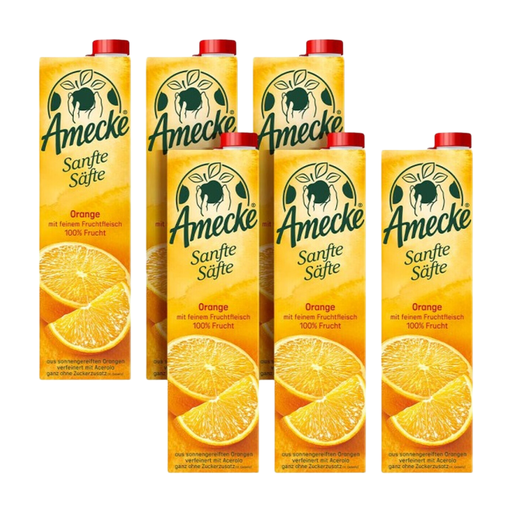
Why This Fits Their Persona: Ideal for families or shared households that need a reliable supply of classic orange juice. Buying a bulk juice pack is convenient and ensures a high-quality juice is always available for breakfast or as a refreshment.
This product bypasses the labelling trap because it is 100% orange juice. There are no hidden added sugars or a low fruit content, as would be the case with nectars or fruit juice drinks.
Pure juice with no additives; convenient 6x1L bulk pack for easy stocking.
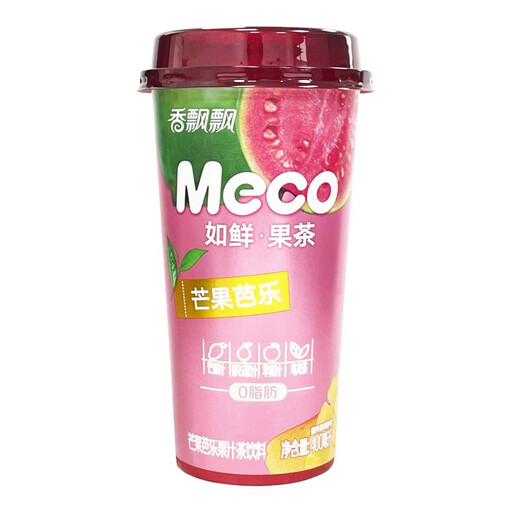
Why This Fits Their Persona: Perfect for young adults and anyone curious about new flavour profiles. This drink combines tropical fruits with an oolong tea base, offering an experience that goes far beyond standard juices—a typical feature of modern Asian iced teas.
This product avoids the "exotic" deception through transparency. It is clearly positioned as a fruit juice and tea blend and lists mango and guava concentrates. Thanks to the use of sweeteners, it is also an option for those watching their sugar intake.
Unique flavour combination of fruit and tea; fat-free and made with sweeteners for mindful enjoyment.
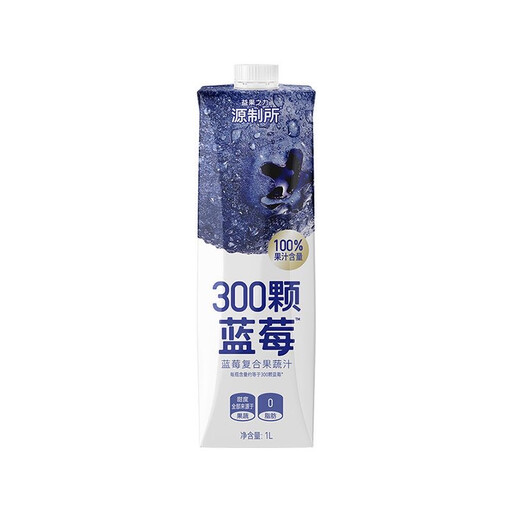
Why This Fits Their Persona: For consumers who value pure taste and high quality. This multi-fruit juice offers 100% fruit content with no added sugar, combining various fruits for a complex flavour profile that goes beyond a simple juice.
This product is the direct answer to the sugar and labelling traps. With 100% fruit content and a declared blueberry content of ≥19%, it offers full transparency and quality. No cheap filler juice is used to justify an exotic name.
Pure 100% multi-fruit juice; no added sugar; high content of the character-defining fruit (blueberry).
We've compiled a complete, up-to-date list of products that fully meet these strict selection criteria and relevant regulations.
The main difference is the fruit content. Fruit juice must always contain 100% fruit. Fruit nectar has a lower, legally defined fruit content (e.g., 25–50%) and may contain water and sugar. Fruit juice drinks have the lowest fruit content (often below 30%) and usually contain additional flavourings and sugar.
Check the nutrition facts and the ingredients list. A product with "no added sugar" only contains the sugar naturally present in the fruit. Other reduced-sugar drinks replace sugar with sweeteners like sucralose, acesulfame-K, or stevia, which will be listed in the ingredients.
Unopened juice packs, especially shelf-stable aseptic cartons, can be stored at room temperature in a cool, dark place. However, once opened, the juice must always be refrigerated and consumed within 3-4 days, as indicated on the packaging, to ensure freshness and quality.