
Lieferung heute & morgen

Qualitätsgarantie

Willkommens-Angebote freischalten: KOSTENLOSE Lieferung | Bis zu 80 % RABATT | Kostenlose 30-Tage-JoyPlus-Testphase
App herunterladen
Anyone looking to buy fruit tea and herbal tea online will quickly find a wide selection: tea bags, loose-leaf fruit tea, Korean fruit tea, ready-to-drink iced teas and fruit concentrates for hot or cold drinks. However, the differences are not limited to taste. The ingredients list, sugar content, caffeine content, preparation method and pack size all determine whether a product suits your everyday routine.
Classic fruit tea prepared as an infusion usually contains no added sweetener. Concentrates such as plum tea, yuzu tea and lemon tea have a different composition. For example, Nokchawon Plum Tea contains sugar and fructose; according to the product information, it contains 45 g of sugar per 100 g. Delief Citron Tea is also listed as containing 50 g of sugar per 100 g.
If you are looking for a drink to quench your thirst every day, you should distinguish between unsweetened tea infusions, fruit concentrates and ready-to-drink iced tea. The product description alone is not enough. Checking the nutrition table helps ensure that an aromatic hot or cold drink does not unknowingly become a high-sugar option.
Pure varieties such as camomile tea, peppermint tea and many fruit tea blends contain no caffeine. Drinks based on black tea, such as peach iced tea, may contain caffeine, however. According to the product information, Pfanner Peach Iced Tea contains 40–60 mg of caffeine per litre. Durstlöscher Peach Iced Tea contains black tea extract, although its product details do not state a specific caffeine content.
For evenings or children, the ingredients list and product labelling are therefore more important than the word ‘tea’ on the front of the pack. Caffeine-free herbal tea and fruit tea are often the more suitable choices for this purpose, provided the relevant ingredients list confirms this.
Not every tea bag is intended for cold brewing with tap water. Several products specifically state that fresh, boiling water should be used. These include Meßmer Kräuter Pur, Jeden Tag Chamomile Herbal Tea and Teekanne Mediterranean Peach Fruit Tea.
For cold tea, the infusion should therefore first be prepared with hot water and then cooled or poured over ice. Fruit concentrates such as yuzu tea and Korean fruit tea, on the other hand, can be stirred directly into hot or cold water. Ready-to-drink iced teas are already bottled and simply need to be chilled.
The ingredients list shows whether the flavour mainly comes from fruit, herbs, flavourings or a concentrate. Teekanne Mediterranean Peach Fruit Tea, for example, lists rosehip, apple, peach flavouring and peach juice granules among its ingredients. Bünting Acerola-Kirsch-Früchtetee consists of 45% apple pieces and 45% hibiscus flowers; cherries account for 1%.
This is not a quality assessment, but it helps you understand what to expect from the product: tea with fruit flavouring tastes different from loose-leaf fruit tea containing visible pieces of fruit. It is also worth taking a close look at herbal blends. Meßmer Kräuter Pur combines peppermint, lemongrass, fennel, rooibos, camomile and lemon balm, among other ingredients.
For a caffeine-free infusion, suitable choices include camomile, peppermint and many rosehip and hibiscus blends. According to the product information, Jeden Tag Rosehip & Hibiscus Fruit Tea consists of 55% rosehip and 45% hibiscus. With concentrates and iced teas, you should also check the information stating ‘carbohydrates, of which sugars’.
Fruit infusions are usually prepared without sugar. Concentrates require only a few teaspoons per cup, but depending on the recipe, they may contain sugar and calories. Ready-made drinks are convenient for when you are out and about, but they often contain sugar. Durstlöscher Peach Iced Tea contains 8.8 g of sugar per 100 ml, while Pfanner Forest Berry Iced Tea is listed as containing 6.7 g per 100 ml.
Packs containing 20 or 25 tea bags are a manageable choice if you only drink tea occasionally. Regular users can prepare several drinks from 560-g or 1-kg jars, but they need to consider storage requirements. Once opened, concentrates such as Nokchawon Plum Tea, Delief Citron Tea and TBest Zitrus Yuzu Tea should be stored in the fridge, according to the product information.
Ready-to-drink products such as 0.5-litre bottles or 2-litre packs are suitable for outings and family households. Once opened, the iced teas mentioned above should be refrigerated and consumed promptly. The best-before date and the instructions on the original packaging remain decisive.
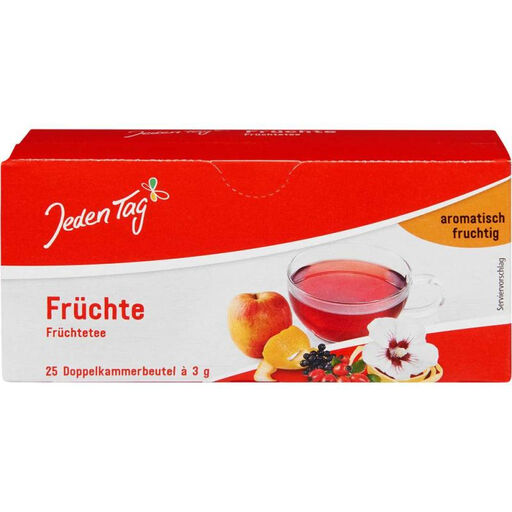
Why this product suits this profile: 25 individually portioned tea bags containing rosehip, hawthorn, orange peel, apple, elderberries and lemon peel offer an easy introduction to fruit tea.
The ingredients list clearly shows the fruit blend; the tea comes in individual portions without concentrate and is described as suitable for hot preparation and pre-prepared cold tea.
25 tea bags, a caffeine-free fruit infusion according to the product information, and easy portioning per cup.
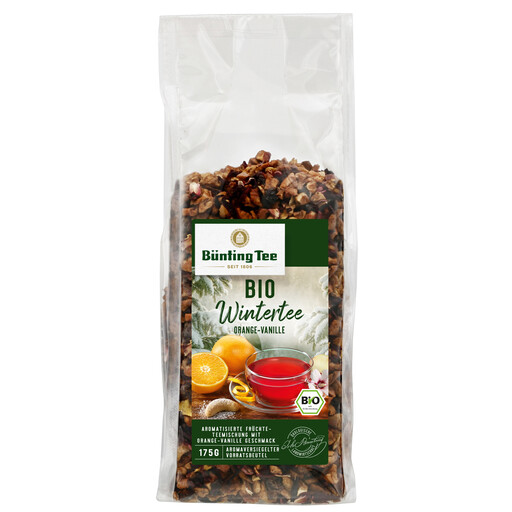
Why this product suits this profile: This loose-leaf fruit tea combines apple, hibiscus, orange peel and vanilla extract from certified organic cultivation.
The product details specify the ingredient proportions, a preparation quantity of 1–2 teaspoons and a brewing time of 5–8 minutes.
175 g of loose-leaf tea, organic ingredients according to the supplier’s information, and storage in a resealable or airtight container.
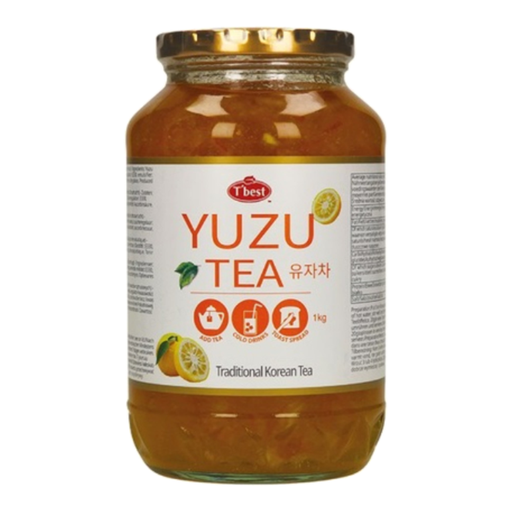
Why this product suits this profile: This Korean fruit concentrate containing yuzu peel, yuzu juice, sugar and honey can be used hot or cold and is also suitable as a dessert topping.
The recommended quantity of 2–3 teaspoons per cup makes it easier to control how much you use. The nutrition information also states that it contains 60 g of sugar per 100 g.
1-kg jar, versatile use and storage instructions recommending refrigeration after opening.

Why this product suits this profile: Six 2-litre packs are ideal for households that regularly need a ready-to-drink cold beverage.
This is clearly a ready-to-drink product. The product details state that it contains 6.7 g of sugar per 100 ml and should be chilled and consumed within three days of opening.
12 litres in total, a berry fruit blend and, according to the product information, caffeine-free and vegan.
We have put together a complete, regularly updated list of products that fully meet these strict selection criteria and the safety regulations applicable in the EU.
For tea bags, the instructions on the packaging should always be followed. Meßmer Kräuter Pur recommends a brewing time of six minutes with boiling water, while Jeden Tag Kamillentee recommends five to eight minutes. A brew that is too short may result in a weaker flavour; brewing for too long can alter the taste.
Fruit tea can be cooled after being brewed with hot water and served with ice. If you are making a larger quantity, adjust the number of tea bags accordingly. Concentrates should be stirred well before use and refrigerated after opening in accordance with the packaging instructions. Ingredients such as liquorice require particular attention when reading the ingredients list.
Pure herbal teas such as camomile or peppermint tea, along with many fruit teas, are caffeine-free according to the ingredients information. Iced teas containing black tea may contain caffeine, however. The specific ingredients and nutritional information for the individual product are decisive.
A safe and controlled method is to prepare the tea with boiling water first and then cool it. Some products are specifically described as suitable for cold preparation. Concentrates such as yuzu tea, lemon tea and plum tea can be mixed directly with cold water and ice according to the dosage instructions.
This depends on the individual product. Several of the iced teas mentioned here should be refrigerated after opening and consumed within two to three days. The information on the packaging should always be followed.