
Lieferung heute & morgen

Qualitätsgarantie

Willkommens-Angebote freischalten: KOSTENLOSE Lieferung | Bis zu 80 % RABATT | Kostenlose 30-Tage-JoyPlus-Testphase
App herunterladen
If you want to buy fruit juices and fruit drinks online, you’ll find a wide selection of apple juice, orange juice, mango juice, nectar, coconut water and Asian drinks. Online shopping is convenient for households, families, offices, cafés and catering businesses, especially when buying drinks in multipacks. However, product names and marketing claims aren’t always directly comparable.
A fruit drink may contain considerably less fruit than not-from-concentrate juice or juice made from concentrate. Nectars typically have a lower fruit content, depending on the type of fruit, as mango and banana, for example, have a thicker consistency. That’s why it’s important to check the fruit content percentage.
In this respect, orange juice with 100% fruit content is different from orange nectar with 50%. Both may suit their intended uses, but they’re not the same in terms of either taste or price per litre.
“No added sugar” doesn’t necessarily mean that a drink contains no sugar. Natural fruit sugars may still be present. When choosing sugar-free fruit drinks, check the nutritional information and ingredients list.
One example is Capri-Sun Multivitamin Sugar-Free, which contains 3 kcal and 0.9 g of sugar per 100 ml according to the product information. Coconut water, on the other hand, may be labelled “100% coconut water” with no added sugar. The specific ingredients are what matter.
A 1-litre pack of juice is usually a flexible option for home use. A bulk pack containing six, eight or twelve litres may be more suitable for offices, restaurants, resellers or families with regular consumption. Before buying, consider storage space, the best-before date and how quickly you’ll use the product once opened.
If you’re looking for juice in a reusable container or a bulk pack, check the difference between reusable packaging, single-use bottles, cartons and individual pouches. A larger quantity doesn’t automatically mean reusable packaging.
Check the exact product category:
Products such as Foco Mango Juice 350 ml, for example, are listed as containing 25% mango purée. Rauch Happy Day Mango Nectar contains 24% fruit, according to the product information. Neither drink belongs in the same comparison group as 100% fruit juice.
Compare at least the following per 100 ml:
Treat vitamin information on multivitamin juices and products containing vitamin D as factual details. These products aren’t a substitute for a balanced diet, nor do they constitute medical advice. Salt content may also be relevant in vegetable juice: Amecke Organic Vegetable Juice contains 0.60 g of salt per 100 g, according to the product information.
1-litre cartons are easy to manage for everyday use. Small individual packs, such as 10 × 0.2 litres, are better suited to lunchboxes, events or individual sales. Store unopened bottles and cartons as stated on the packaging. Many products need to be kept chilled and consumed within a few days of opening.
If you’re looking for juice in reusable packaging or in bulk, check the difference between reusable containers, single-use bottles, cartons and individual pouches. A larger number of units doesn’t automatically mean reusable packaging.
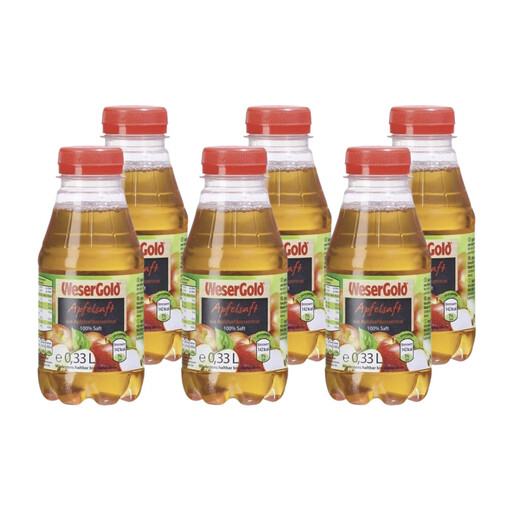
Why this product suits your needs: Six individual 0.33-litre bottles are ideal for smaller households, meetings or enjoying a chilled drink on the go.
The declared fruit content is 100%. Individual portions also mean you won’t need to store a large carton of juice once it’s been opened.
Apple juice made from apple juice concentrate, 6 × 0.33 l, shelf-stable and containing 42 kcal per 100 ml according to the product information.
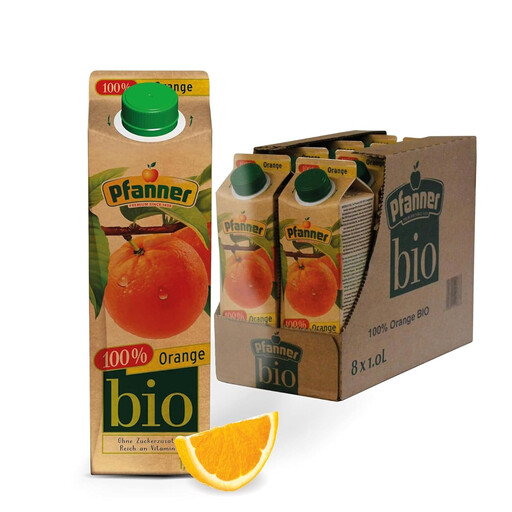
Why this product suits your needs: This bulk pack combines 100% orange juice with an organic label, making it a good choice for regular juice drinkers.
The fruit content is clearly stated as 100%, so you can easily distinguish it from orange nectar and flavoured fruit drinks.
Organic orange juice, 8 × 1 l, with no added sugar according to the product description and 43 kcal per 100 ml.
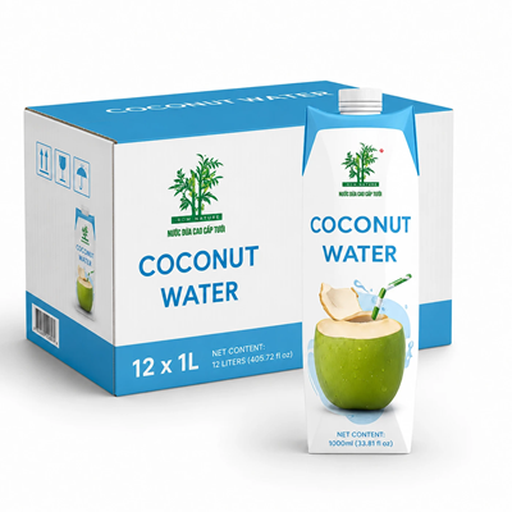
Why this product suits your needs: This 12-pack is a convenient choice for offices, catering businesses, events and households that regularly use coconut water.
The ingredients list states that it contains 100% coconut water. This makes it easier to choose than drinks with an unclear mix of juice, flavourings and sweeteners.
12 × 1 l, with no added sugar according to the product description; consume within three days of opening.
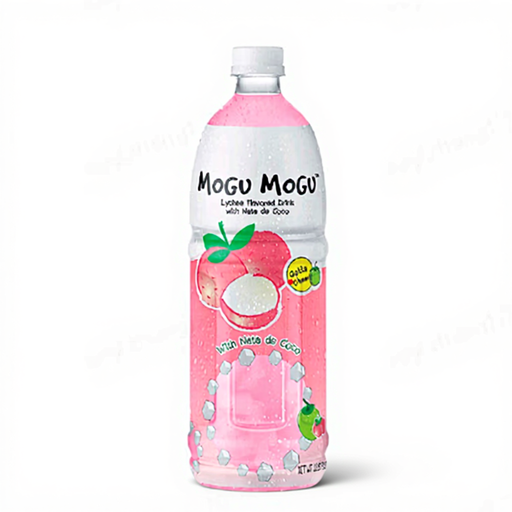
Why this product suits your needs: This Asian drink combines lychee flavour with pieces of nata de coco, setting it apart from classic juices.
The product information lists 10% lychee juice and clearly states the coconut gel pieces and sugar content.
1 l, 38 kcal per 100 ml according to the product information, and an unusual texture thanks to nata de coco.
We’ve put together a complete, regularly updated list of products that meet these strict selection criteria and fully comply with the safety regulations in force in the EU.
For regular use, a 1-litre pack or a multipack of cartons may be a good choice. Smaller bottles are more practical if you don’t drink much juice, as opened juice usually needs to be kept chilled and used within a few days. Storage space and the best-before date are also worth considering.
Juice is generally made entirely from fruit or reconstituted fruit juice. Depending on the type of fruit, nectar contains a specified amount of fruit and may also contain water and sugar. Fruit drinks usually have a lower fruit content and may also contain flavourings, sweeteners or vitamins. The ingredients list gives you a straightforward way to compare them.
The only reliable way to tell is to compare the unit price. Check the price per litre and take packaging type, delivery costs and how much you’ll actually use into account. A multipack may be a practical choice for offices, catering businesses and resellers, while a smaller pack can help small households reduce waste and storage costs.