
Lieferung heute & morgen

Qualitätsgarantie

Willkommens-Angebote freischalten: KOSTENLOSE Lieferung | Bis zu 80 % RABATT | Kostenlose 30-Tage-JoyPlus-Testphase
App herunterladen
Anyone looking to buy fruit juice and fruit drinks online will find a wide selection ranging from classic orange juice to exotic fruit beverages from Asia. However, price alone says little about whether a product suits your needs. For families, lunch boxes, households buying in bulk and fans of Asian drinks, the fruit content, sugar content, pack size and storage requirements are particularly important.
As a Joybuy Product Recommendation Officer, I review product information according to transparent criteria and match it to different everyday situations. This makes marketing terms easier to assess and helps avoid unsuitable purchases.
The description can cover several different product categories. 100% fruit juice consists of fruit juice, potentially made from concentrate, whereas fruit nectar or a fruit juice drink may also contain water, sugar, acidity regulators or flavourings. For example, a grape drink such as Haitai Podo Bonbon Grape Juice Drink contains grape juice concentrate and grape granules, but also water, white sugar and synthetic grape flavouring.
If you are looking for the highest possible fruit content, check the ingredients list and the specific product designation. A fruity taste is not a reliable indication of a high juice content.
Cans and pouches containing 180 to 350 ml are convenient for travel, lunch boxes or individual servings. For families, however, a multipack of fruit juice in 1-litre cartons may be more practical. The key figure is the price per litre, not just the price of the package.
For opened cartons, also take the recommended consumption period into account. Some products should be refrigerated after opening and consumed within a few days. With individually portioned drinks, this issue is largely avoided.
A product labelled sugar-free fruit drinks is not automatically calorie-free if it contains other energy-providing ingredients. In fruit juices, sugar often occurs naturally in the fruit. In drinks with added sugar, it will be listed among the ingredients.
Capri-Sun Monster Alarm Sugar-Free is offered as a sugar-free version. The specific product labelling, nutrition table and ingredients list on the packaging remain decisive. For products intended for children, also pay attention to serving size, drinking straw instructions and any additives.
Look for designations such as:
Fruit content is particularly important for exotic products such as guava juice, pomegranate drinks or passion fruit beverages. According to the product information, Maaza Guava Drink contains 18% guava purée and 3% grape juice. Maaza Pomegranate Drink contains 19% pomegranate juice as well as chokeberry concentrate. These details help set realistic expectations about the flavour.
Always compare nutritional information using the same reference quantity. A drink containing 50 kcal per 100 ml already provides 125 kcal in a 250-ml serving. Sugar content should also be assessed per serving.
Jeden Tag Orange Juice 100% is listed with approximately 45 kcal and 9.4 g of carbohydrates per 100 ml. According to the product information, Hohes C Milde Orange contains 43 kcal and 8.8 g of sugar per 100 ml. Both products are described as juices made from concentrate and should therefore not be compared with reduced-sugar soft drinks.
For everyday family consumption, 6 × 1 l or 8 × 1.5 l multipacks make sense if the juice is consumed regularly. Smaller formats of 180 to 350 ml are better suited to individual servings and consumption on the go. For cans such as a lychee drink or a calamansi variety, chilling before drinking is often part of the recommended use.
Before placing your order, check:
Hipo Strawberry Drink with Nata de Coco has a stated Nata de Coco content of 42%. The product should be shaken carefully before opening, refrigerated after opening and consumed within 24 hours. It also contains the colouring agent E122; the warning on the packaging regarding children should be observed.
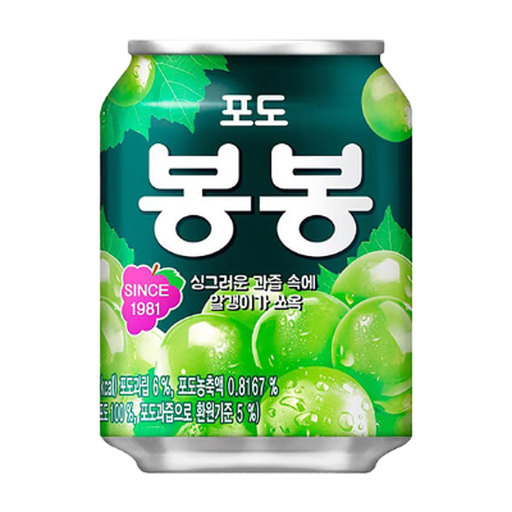
Why does it suit this profile? The individual serving is ideal for occasional introductions to Asian drinks, consumption on the go or as a chilled refreshment.
The product details clearly state the 238 ml serving size, as well as grape juice concentrate, grape granules and 13 g of sugar per 100 ml.
Compact serving, convenient individual format with no need to reseal and distinctive grape granules as a unique product feature.
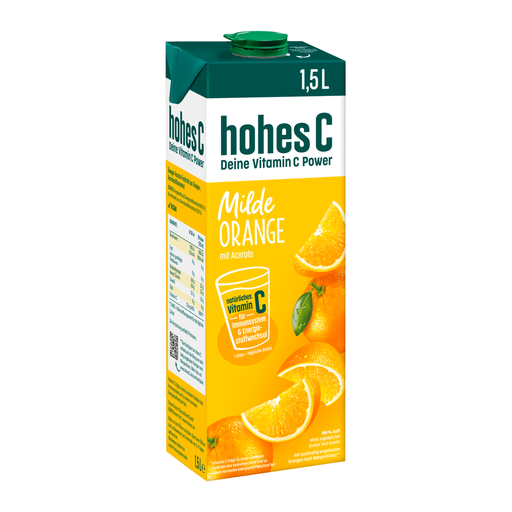
Why does it suit this profile? The total volume of 12 litres is suitable for households that regularly serve orange juice at breakfast or with meals.
The pack quantity is clearly visible before purchase. After opening, the product should be refrigerated and consumed within 3–4 days.
100% fruit content according to the product information, pulp-free texture and 43 kcal per 100 ml.
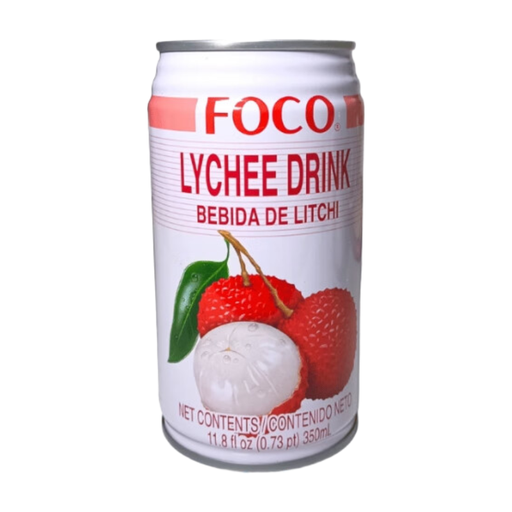
Why does it suit this profile? This lychee drink is ideal for shoppers seeking Asian beverages with a floral, sweet fruit note in a convenient can.
The fruit content is stated as 30% lychee juice, so the product is not mistaken for 100% fruit juice.
350 ml format, 30% lychee juice according to the product information and recommended chilled serving.
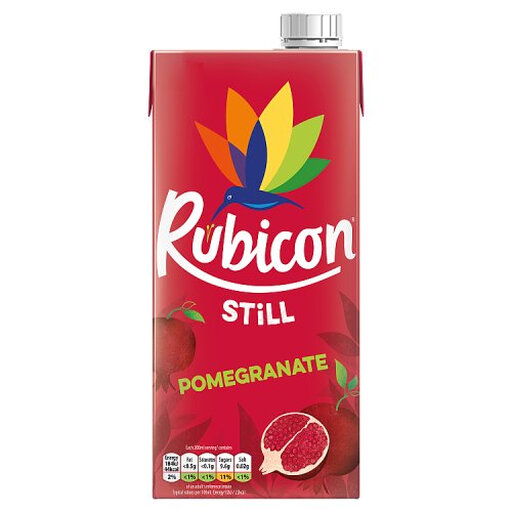
Why does it suit this profile? The 1-litre pack is a practical choice for the home refrigerator and for people who enjoy pomegranate flavour with a lower energy content.
According to the product data, the fruit content is 28%, comprising 23% pomegranate and 5% chokeberry. Sweeteners are also listed.
22 kcal per 100 ml according to the product information, 1-litre format and 30 mg of vitamin C per 100 ml.
Depending on your preferences, the range also includes guava juice, pineapple juice, orange juice and passion fruit drinks. Maaza Banana Drink is listed with 23% banana purée, while Dimes Pineapple Drink contains pineapple juice from concentrate. For a distinctive texture, consider a Nata de Coco drink. If you prefer citrus notes, a calamansi drink may be a good choice; its flavour is described as falling somewhere between mandarin and kumquat.
For larger households, products such as Jeden Tag Orange Juice 100% 6 × 1 l or RAUCH Happy Day Pineapple Juice 6 × 1 l are designed for stocking up. Even so, check your available storage space, expected consumption and the recommended period for consuming the product after opening.
We have compiled a complete, up-to-date selection of products that meet these buying criteria and the applicable food-labelling requirements.
According to the product category, 100% fruit juice consists of fruit juice, even when it is made from concentrate. A fruit juice drink may also contain water, sugar, flavourings or acidity regulators. The ingredients list and nutritional values per 100 ml provide the relevant details.
This depends on the individual product. Refrigerated storage with consumption within three to five days is often recommended. For Hipo Strawberry Drink with Nata de Coco, consumption within 24 hours is advised. The information on the packaging is always authoritative.
For regular consumption, multipacks with 1-litre or 1.5-litre cartons can be a practical choice. Portions of 180 to 350 ml are more convenient for lunch boxes, outings or occasional enjoyment. Also compare the price per litre and the shelf life after opening.