
Lieferung heute & morgen

Qualitätsgarantie

Willkommens-Angebote freischalten: KOSTENLOSE Lieferung | Bis zu 80 % RABATT | Kostenlose 30-Tage-JoyPlus-Testphase
App herunterladen
If you want to buy fruit juice and fruit nectar online, you will quickly find a wide selection: classic mixed-fruit juices, exotic fruit drinks, Korean specialities and practical multipacks. However, price alone says little about whether a product is right for you. The key factors are fruit content, ingredients, pack size and how you plan to use it.
The terms do not automatically refer to the same type of product. Fruit juice is fundamentally made from fruit ingredients and may be sold as not-from-concentrate juice or reconstituted from concentrate. Fruit nectar contains a specified minimum fruit content depending on the type of fruit, along with water and, where applicable, sugar.
An apricot or banana nectar may therefore have a softer consistency and a different flavour from pure juice. If you specifically want to buy fruit nectar, check the stated fruit content rather than simply looking at the fruit image on the front of the pack.
Fruit drinks can naturally contain sugar. Sugar may also be part of the recipe. For an objective comparison, add the figures for carbohydrate and sugars per 100 ml to your shopping checklist. With larger packs, also bear in mind that small differences per 100 ml can have a noticeable impact if the drink is consumed regularly.
A 250 ml pack is suitable for individual portions, lunch boxes or tasting. For families, parties and cocktails, fruit juice in a 1-litre pack may be more practical. Juice in a multipack often reduces packaging per litre, but requires sufficient storage space and good planning once opened. For opened cartons or bottles, follow the instructions on the label; these usually specify chilled storage and consumption within a short period.
First, check whether you are buying juice, nectar or a fruit juice drink. The recipe can vary considerably with exotic varieties such as guava juice, lychee juice or tamarind juice. A higher fruit content may result in a more intense colour, thicker consistency or fuller aroma, but it is not a blanket indicator of quality.
Examples from the selection:
These figures make it easier to compare similar products objectively.
Pay attention to the order of the ingredients. If water and sugar appear before the fruit ingredient, the product is often a drink with a different composition from one with a high juice content. Acidity regulators, flavourings, stabilisers and antioxidants are found in many fruit drinks and should be taken into account for specific dietary requirements.
If you are looking for vegan drinks, check the full ingredients list as well. Voelkel Bio Ginger Shot Lemon-Honey, for example, contains honey and is therefore not suitable for a vegan diet. Korean fruit drinks such as Haitai Bon Bon and McNulty Korean Apricot Ade are also worth checking for sweeteners, flavourings and colourings.
A fruit juice rich in vitamins is not automatically suitable for every dietary choice. For fortified products, check the actual amounts per 100 ml and the reference values on the label. Amecke Plus Zinc Multi-fruit Juice, for example, states 20 mg of vitamin C and 1.5 mg of zinc per 100 ml. Amecke Plus Calcium-Magnesium lists around 80 mg of calcium per 100 ml.
These figures describe the product’s composition. They do not replace individual dietary advice and should not be understood as a medical or therapeutic claim.
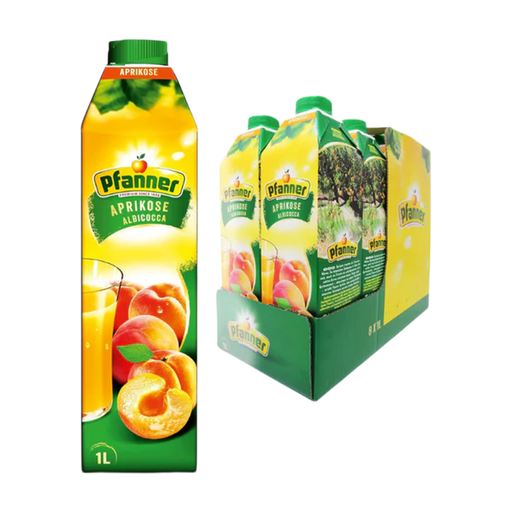
Why this product suits this profile: The pack of eight 1-litre cartons is aimed at households that regularly drink apricot nectar or need drinks for several people.
The stated minimum fruit content of 40% makes the product type easier to identify than a simple fruit image with no quantity stated.
8 × 1 litre; 65 kcal and 15.5 g of sugar per 100 ml according to the product information; suitable for cocktails and spritzers.
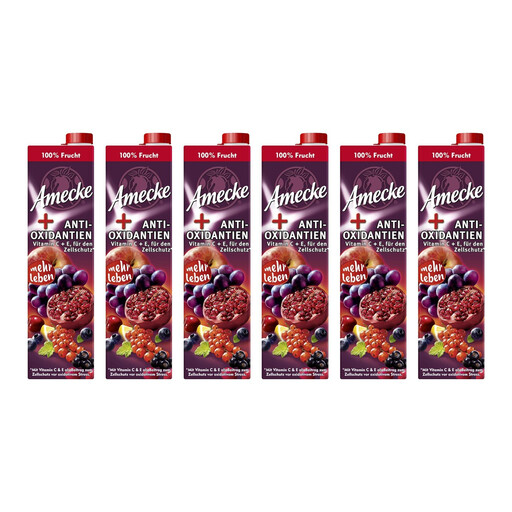
Why this product suits this profile: The combination of several red fruits appeals to shoppers who want to compare the ingredients list and nutritional table before buying.
The description states 100% fruit content and no added sugar; the specific ingredients and nutritional information remain decisive.
6 × 1 litre; a blend of grape, apple, blackcurrant, sour cherry, pomegranate and other fruit ingredients.
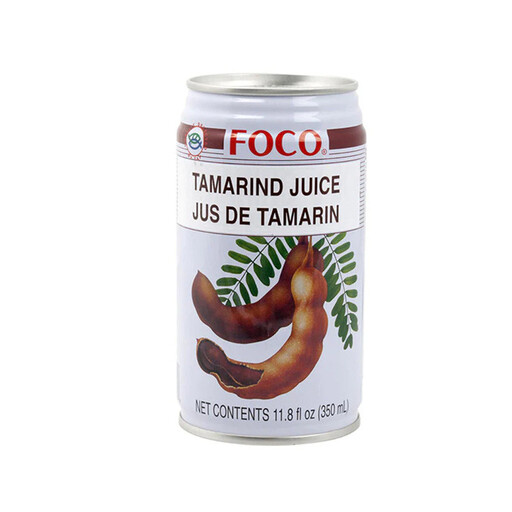
Why this product suits this profile: The individual size is suitable for Asian recipes, cocktails, tastings and households that do not want to store several litres of the same variety.
The portion size reduces the risk of a multipack being stored for too long after opening. Once opened, it should be refrigerated and consumed within two days.
350 ml bottle; 20% tamarind pulp according to the stated information; origin: Thailand.
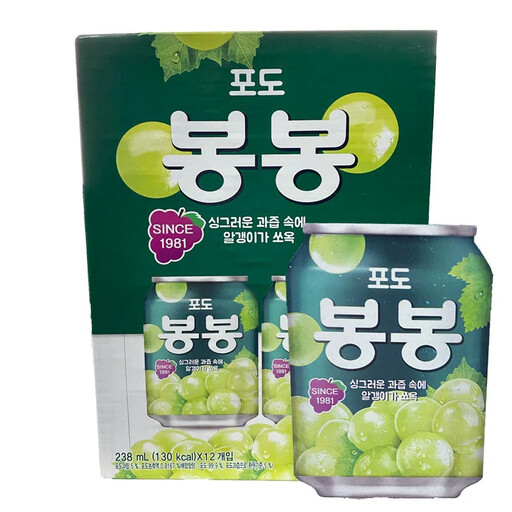
Why this product suits this profile: This Korean fruit drink comes in 12 individual portions, making it suitable for stocking up, lunch boxes or serving chilled.
The portion size means that an opened litre pack does not need to be stored for several days.
12 × 238 ml; grape flavour with grape powder and extract; contains ascorbic acid according to the product information.
We have put together a complete, regularly updated list of products that fully meet these strict selection criteria and the safety regulations applicable in the EU.
Fruit juice is made from juice components of the respective fruit, while fruit nectar can contain a specified minimum fruit content depending on the type of fruit, as well as water and, in some cases, sugar. Check the product designation and fruit content on the label.
This depends on the individual product. Many 1-litre juices and nectars must be refrigerated after opening and consumed within three to four days. Individual portions such as 250 ml cans or bottles are usually consumed straight away. The manufacturer’s storage instructions should always be followed.
Multipacks can offer advantages in terms of the price per litre and packaging. Whether they work out cheaper depends on consumption, available storage space and shelf life after opening. For occasional enjoyment, individual portions are often easier to plan.