
Lieferung heute & morgen

Qualitätsgarantie

Willkommens-Angebote freischalten: KOSTENLOSE Lieferung | Bis zu 80 % RABATT | Kostenlose 30-Tage-JoyPlus-Testphase
App herunterladen
Buying fruit juice online is a convenient way to stock up on your weekly essentials and discover new varieties. However, the seemingly endless selection can also lead to poor purchasing decisions. Many products use vibrant, fruity imagery to advertise, but their quality and composition vary significantly. Before you fill your shopping cart, it's helpful to understand the common pitfalls to make an informed decision.
A common problem is misleading labelling. A "fruit-flavoured" drink doesn't necessarily contain a high percentage of actual fruit. Another issue is hidden sugar content. Even juices marketed as a health-conscious choice can contain substantial amounts of added sugar or sweeteners, which often only becomes apparent after a closer look at the ingredients list.
To ensure you find the right product for your needs, a few basic criteria are crucial. These parameters will help you correctly interpret product information and objectively assess the quality of a juice.
A product's designation provides the first and most important clue about its contents. Regulations, such as the German Fruit Juice and Soft Drink Regulation, establish clear rules for naming:
A look at the label is essential. The ingredients are listed in descending order by weight. If sugar or fructose-glucose syrup appears high on the list, it's an indicator of high added sugar content.
For health-conscious families and individuals, a juice fortified with vitamins or minerals can be a sensible addition. Products like the Amecke Plus Zinc Multi-Fruit Juice or the Hohes C Plus Iron Multi-Fruit Juice clearly state which nutrients have been added and how much they contribute to the recommended daily intake.
Beyond established varieties, interest in unique beverages is growing. Those looking to buy iced tea can now find exciting options that go beyond the classic peach iced tea. In particular, Asian beverages like fruit teas with real fruit pieces or exotic flavour combinations are gaining popularity. Concentrated drinks like a ginger shot, such as the Voelkel Organic Ginger Shot, also offer an intense and focused flavour experience.
To make your choice easier, we've compiled a few products suited for different needs and taste preferences.
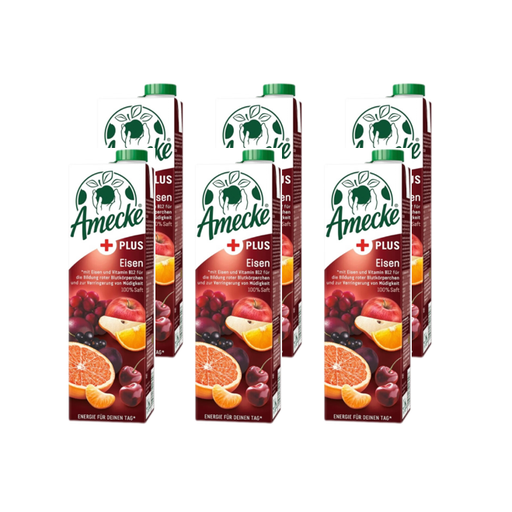
Why it's a great fit: Ideal for families looking for a bulk-pack of juice who also value added nutritional support. Fortified with iron and vitamins, it helps support a balanced daily diet.
The product is clearly labelled as a multi-fruit juice with added iron. It makes no vague health promises, instead providing transparent nutritional information, which minimises the risk of being misled by marketing terms.
Combines the enjoyment of a multi-fruit juice with a targeted supply of iron and vitamin C. The 6x1L pack is practical for weekly stocking.
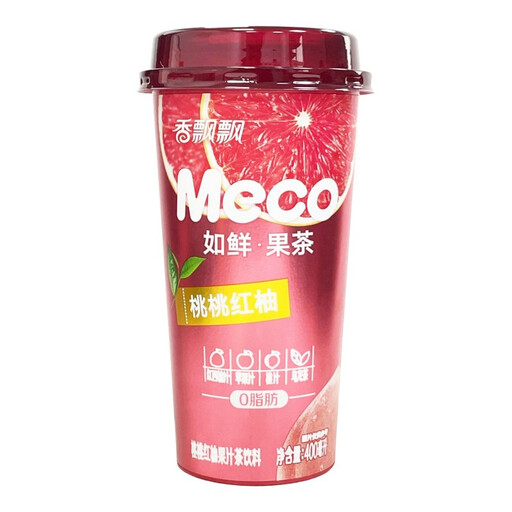
Why it's a great fit: For anyone seeking authentic and trendy Asian beverages. The combination of Oolong tea with fruit juices like peach and pomelo offers a refreshingly different flavour experience.
The "Juice Tea Drink" designation makes it clear that this is a mixed beverage, not a pure juice. The percentages of juice and tea are listed in the ingredients, ensuring transparency.
Offers a balanced blend of real tea and a high percentage of fruit juice concentrates. It contains sweeteners for a lighter taste.
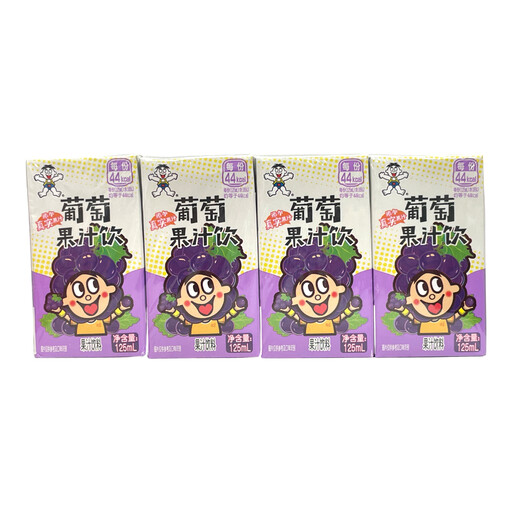
Why it's a great fit: The small 125ml packs are a convenient solution as a juice for kids to take to school or as a quick refreshment on the go. The sweet taste is often a hit with children.
The "Juice Drink" designation and the mention of 1% fruit juice concentrate provide clarity. Buyers won't expect a 100% fruit product, but rather a fruit-flavoured soft drink, which prevents disappointment.
Convenient, single-serving packaging in a 4-pack. Easy to transport and ideal for quenching a quick thirst for both kids and adults.
We've curated a comprehensive, up-to-date list of products that fully meet these strict selection criteria and regulatory standards.
1. What's the difference between "not from concentrate" and juice from concentrate? A "not from concentrate" juice is bottled directly after the fruit is pressed. For juice from concentrate, water is removed from the juice in its country of origin to reduce transport volume and costs. Drinking water is then added back in the same amount in the country where it's bottled. Both methods are high-quality, and the result in both cases is 100% fruit juice.
2. How long does opened fruit juice last in the refrigerator? Once opened, fruit juice should always be stored in the refrigerator, where it will typically last for 3 to 4 days. Be sure to seal the bottle or carton tightly to maintain freshness and prevent it from absorbing other odours. You can find the manufacturer's specific recommendations on the packaging.