
Lieferung heute & morgen

Qualitätsgarantie

Willkommens-Angebote freischalten: KOSTENLOSE Lieferung | Bis zu 80 % RABATT | Kostenlose 30-Tage-JoyPlus-Testphase
App herunterladen
If you’re looking to buy fruit juice online, you’ll probably compare flavour and price first. But there are other important details to consider when choosing the right product: fruit content, sugar content, pack size, storage requirements and whether it’s classified as juice, nectar or a fruit juice drink. With a juice multipack in particular, small differences in the price per litre can have a noticeable effect on the total cost and how you use it.
A drink featuring strawberries, cherries or pomegranates on the packaging doesn’t necessarily contain much of that fruit. A fruit juice drink may contain water, sugar, sweeteners and a relatively small amount of fruit. Nectar doesn’t automatically contain 100% fruit either.
That’s why it’s worth checking the ingredients list. Descriptions such as ‘100% juice’, ‘30% fruit content’ or ‘juice from concentrate’ indicate different product characteristics.
Fruit naturally contains sugar. So not-from-concentrate juice and juice from concentrate can both contain a significant amount of sugar per 100 millilitres. When comparing products, check the nutrition table rather than relying on the marketing claim alone.
An offer such as juice 6 x 1 litre is handy for households that drink juice regularly. However, many juices need to be refrigerated after opening and consumed within a few days. If you live alone or only drink juice occasionally, smaller packs may be a better choice. Storage space, weight and options for returning or disposing of the packaging are also worth considering.
Check the exact product description:
For orange juice, apple juice, grape juice or berry juice, the variety name alone is no substitute for checking the ingredients list. For blends, look at the order of the ingredients: this shows which ingredients are present in the greatest quantities.
Comparing nutritional values per 100 millilitres makes it easier to assess products in different pack sizes. The main figures to look at are:
Assess vitamins and minerals objectively by looking at the stated amounts. You can’t automatically draw conclusions about health benefits from them.
For organic juice, look for the EU organic logo or another clear organic certification on the packaging. Other certifications, such as Demeter, may also be relevant. The specific certification shown on the product is what matters.
Before buying a multipack, you should also check:
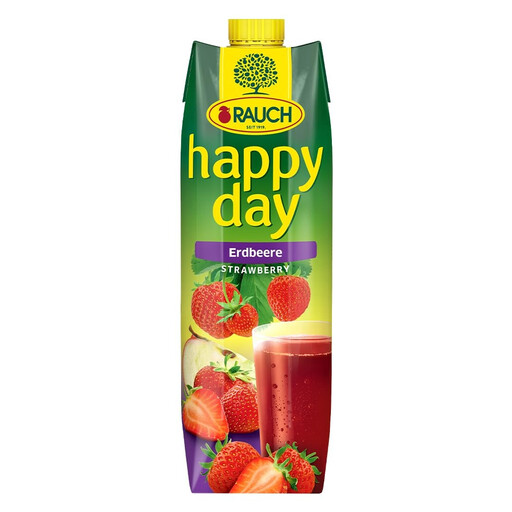
Why it suits this shopper: The six-pack of 1-litre cartons is a good choice for households that like to keep a fruity drink on hand and compare prices per litre. According to the product information, the strawberry nectar contains at least 50% fruit.
The stated fruit content makes it easier to understand what you’re buying than a flavour description or picture alone. The ingredients list includes strawberry purée, apple ingredients and other additives.
6 x 1 litre; 52 kcal and 12 g of sugar per 100 ml according to the product information. Described as vegan, vegetarian, halal and kosher.
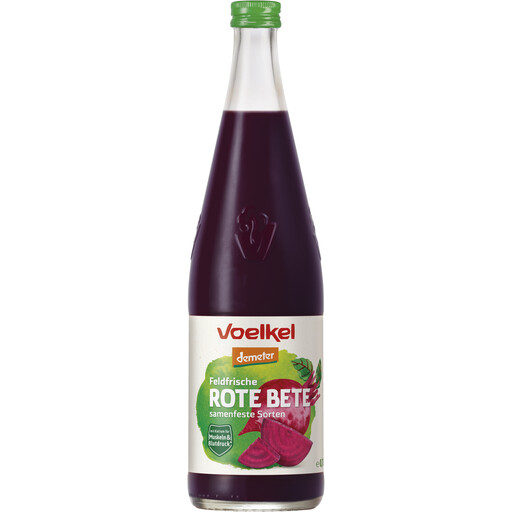
Why it suits this shopper: This organic vegetable juice is for shoppers who prioritise ingredient origin, certification and a short ingredients list over a larger pack size.
The ingredients are clearly listed: 98.8% beetroot juice, acerola purée and lemon juice. That makes it easy to see exactly what’s in the product.
6 x 0.7 litres, biodynamic ingredients according to the product information, and 37 kcal per 100 ml.
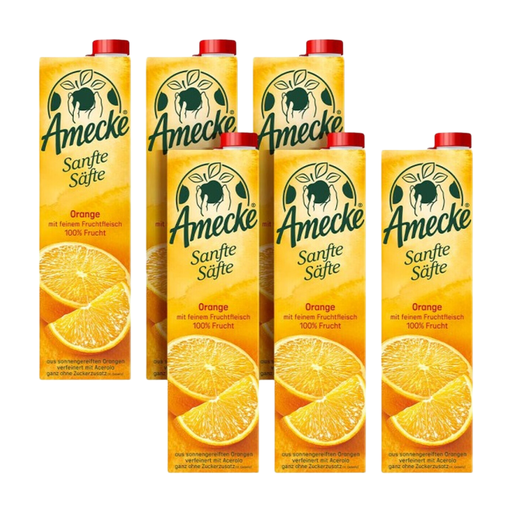
Why it suits this shopper: This multipack is a practical choice for families and households that drink orange juice regularly. Open the cartons one at a time and pour out just what you need.
The product information states that it’s 100% orange juice with no added ingredients. This clearly distinguishes it from a fruit juice drink with a lower fruit content.
6 x 1 litre; 42 kcal and 9 g of sugar per 100 ml according to the product information. Described as vegan.
We’ve put together a complete, regularly updated list of products that meet these strict selection criteria and the safety regulations in force across the EU.
A juice multipack with several 1-litre cartons can be a good choice for families, provided you drink juice regularly. Check the fruit content, ingredients and sugar content per 100 millilitres. For children, also check the age guidance and specific packaging instructions. Juice is not a substitute for water as an everyday drink.
It depends on the product. The products mentioned often state that they keep for three to four days in the fridge. Always follow the instructions on the packaging. Reseal cartons after opening and store them upright in the fridge.
No. Not-from-concentrate juice describes how the juice is made: it isn’t concentrated and then diluted again. It still contains natural fruit sugars. So compare the nutritional information rather than relying on the description on the front of the pack.