
Lieferung heute & morgen

Qualitätsgarantie

Willkommens-Angebote freischalten: KOSTENLOSE Lieferung | Bis zu 80 % RABATT | Kostenlose 30-Tage-JoyPlus-Testphase
App herunterladen
Buying a single glass makes sense if an existing glass has broken, a place setting needs completing or a particular glass shape is missing for a celebration. However, if you want to buy glasses individually, you should not focus solely on appearance. Capacity, material, dimensions and cleaning suitability determine whether the glass is genuinely suitable for everyday use.
The specification “31 cl” or “450 ml” usually describes the capacity when filled to the rim. In everyday use, however, a glass is rarely filled completely. Wine needs additional room for swirling, while sparkling wine and beer require space for foam. A 220 ml champagne glass is therefore suitable for smaller serving sizes, whereas a 450 ml water glass offers more capacity for water, juice or iced tea.
A transparent glass may look sturdy in product images, even though its stem, rim or base is particularly delicate. You should therefore check whether information is provided about the material, glass shape, weight and dishwasher suitability. When buying a single wine glass, it is also important to know whether it is intended for everyday use, serving at events or professional applications.
The description dishwasher-safe glass means that the glass can be cleaned in a dishwasher, but it does not rule out wear caused by harsh detergents, high temperatures or frequent temperature changes. For several glasses made from crystal or soda-lime glass, manufacturers recommend using a gentle wash cycle. A glass should not come into direct contact with boiling water unless it is explicitly described as heat-resistant.
Choose the size to suit the drink and the intended serving:
A glass for red and white wine with a well-balanced capacity and a sufficiently large bowl is practical. Wine can be poured without having to fill the glass to the rim.
Soda-lime glass is widely used for everyday purposes. Crystal glass is often chosen for its clear appearance and light refraction. Neither material description should automatically be equated with a particular level of break resistance. Wall thickness, stem construction, base and intended area of use are also important.
A transparent glass is practical when assessing the colour of wine or viewing the bubbles in sparkling wine. Coloured glasses, on the other hand, can offer advantages for table decorations or identifying different drinks, but make the colour of the drink less visible.
Look out for the following information:
According to the manufacturer’s information, several of the products mentioned comply with EU Regulation (EC) No 1935/2004 on materials intended to come into contact with food. This information relates to suitability for the intended food contact and is not a promise regarding durability or resistance to breakage.
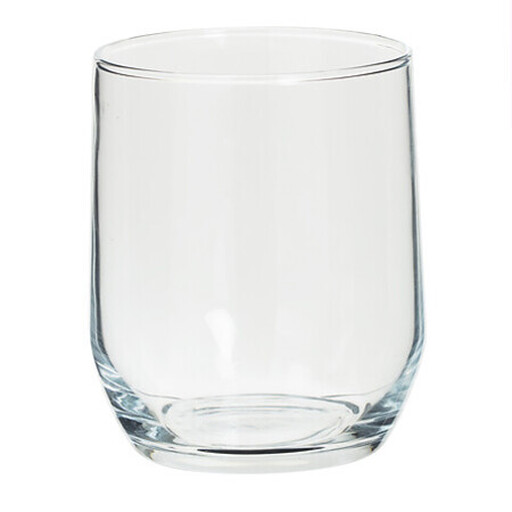
Why this product suits the profile: This transparent drinking glass holds 315 ml and has a broad base. It is therefore suitable for water, juice, soft drinks and simple cocktails at home.
The capacity is clearly specified as 315 ml. The product description also states that it is suitable for dishwashers and microwaves.
315 ml capacity, soda-lime glass, transparent design and a stable base thanks to the broad shape.
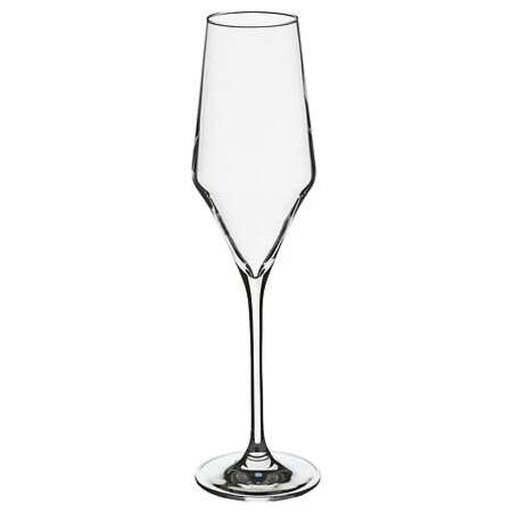
Why this product suits the profile: The slender flute shape and 220 ml capacity are designed for sparkling wine, Prosecco and champagne. This individual glass is also suitable as a replacement when a set is incomplete.
The material, capacity and cleaning suitability are specified. The information also notes that the glass is sensitive to significant temperature changes.
220 ml, crystal glass, transparent appearance, 24.2 cm height and dishwasher suitability according to the manufacturer’s information.
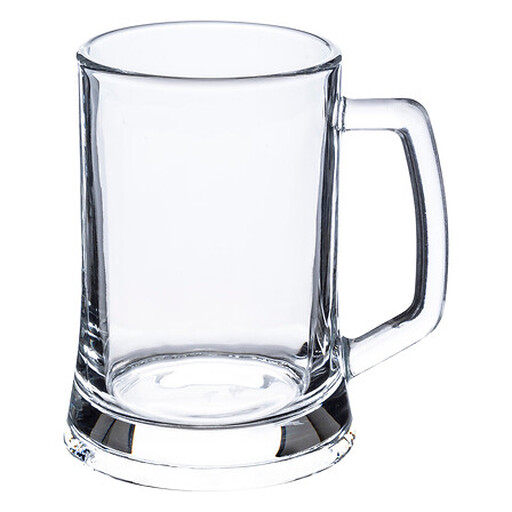
Why this product suits the profile: With a capacity of 500 ml, this beer glass is aimed at households, hosts and event organisers who want to serve beer, long drinks or alcohol-free mixed drinks in larger volumes.
The capacity is clearly stated as 50 cl. The product description specifically mentions the gently tapered shape and reinforced base.
500 ml capacity, soda-lime glass, transparent surface and reinforced base according to the product information.
We have put together a complete, regularly updated list of products that fully meet these strict selection criteria and the safety regulations applicable in the EU.
For the home, stackable drinking glasses with clear product descriptions and a moderate capacity are practical. If you regularly serve wine, you can choose between a smaller single wine glass of around 20 to 21 cl and a larger 36 cl bowl. Larger glasses require more storage space and should be positioned carefully when loading the dishwasher.
Restaurants, cafés and event organisers should also look for identical dimensions, the option to reorder and clear compatibility with their existing stock. For example, an individual NORA wine glass with a capacity of 38 cl is specified for professional applications. For spirits or small desserts, a compact glass such as the SYLVANA with a capacity of 8 cl may be a practical choice.
Yes, if only one glass has been damaged or a particular drinking glass is required. Before buying, compare the shape, height, diameter and capacity with the glasses you already own. This helps the replacement glass look as well matched as possible on a laid table.
It is not possible to give a reliable fixed lifespan. This depends on the type of glass, wall thickness, use, wash programme and storage. Gentle temperatures, sufficient space between the glass and other crockery, and checking for chips can help extend its service life. For safety reasons, a damaged glass should no longer be used.
In addition to the purchase price, the main costs are cleaning, water and dishwasher operation. If used frequently, a dishwasher-safe glass can reduce the effort involved in cleaning. The actual running costs depend on the programme used, the number of items washed and the energy consumption of the household appliance.