
Lieferung heute & morgen

Qualitätsgarantie

Willkommens-Angebote freischalten: KOSTENLOSE Lieferung | Bis zu 80 % RABATT | Kostenlose 30-Tage-JoyPlus-Testphase
App herunterladen
Preparing authentic Korean dishes like bibimbap or tteokbokki at home starts with one crucial ingredient: gochujang. However, anyone looking to buy gochujang is often faced with a wide selection of brands, sizes, and varieties. Finding the right Korean chili paste can significantly impact the quality of your dishes.
This article serves as a guide. We will introduce various gochujang products and explain their key features to help you make an informed decision that suits your cooking habits and flavor preferences.
To find the perfect gochujang paste, it helps to have some basic knowledge of its composition and characteristics.
Gochujang gets its signature flavor from fermentation. The main ingredients are typically chili powder, glutinous rice, fermented soybeans (meju), and salt. The interplay of these components creates a complex profile that is simultaneously spicy, sweet, and savory (umami). Differences in the ingredient ratios and fermentation time lead to varying flavor nuances between brands. A look at the ingredients list can provide insight into how traditionally the paste was made.
Gochujang is available in various container sizes, typically in 500 g or 1 kg tubs.
After opening, gochujang should be stored in the refrigerator to maintain its freshness and flavor.
For consumers who adhere to Islamic dietary laws, the availability of halal-certified products is crucial. Some manufacturers offer varieties explicitly labeled as halal gochujang. These products are made in compliance with halal standards, which includes, for example, the exclusion of alcohol in the production process, unless it originates from natural fermentation and is present in minimal quantities. Look for the official halal seal on the packaging.
Here is a selection of gochujang products that stand out for their specific characteristics and applications.

Key Feature:Bibigo Gochujang is known for its well-balanced flavor profile, offering a harmonious blend of sweetness and spice. This makes it a very accessible product for a wide range of dishes.
Advantages:
Who is it for? This product is an excellent choice for anyone looking for a reliable all-rounder for Korean cuisine, from beginners to experienced home cooks.
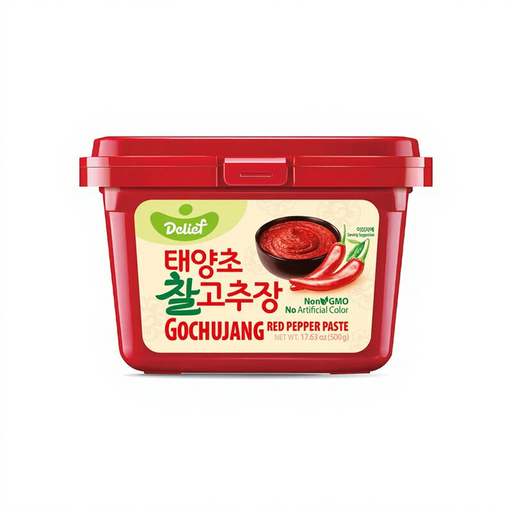
Key Feature: This product is explicitly halal-certified, meeting the requirements of consumers who follow a corresponding diet.
Advantages:
Who is it for? Ideal for consumers specifically looking for a halal gochujang option without wanting to compromise on the flavor profile.

Key Feature:Sempio Gochujang is distinguished by its high content of fermented rice paste (46.7%), which indicates a traditional production process and a deep, complex flavor.
Advantages:
Who is it for? This product is aimed at lovers of Korean cuisine who prefer a particularly authentic and intensely flavored gochujang with a rich fermentation aroma.

Key Feature: The 1 kg value pack makes this product a practical solution for anyone who cooks Korean food regularly and in larger quantities.
Advantages:
Who is it for? Perfect for families, shared households, or ambitious cooks who use gochujang paste frequently and appreciate having a larger supply on hand.
Haven't found the right paste for your kitchen yet? There are many other varieties of seasoning pastes that differ in heat level, sweetness, and ingredients.
Discover more products in our Korean BBQ Sauces and Pastes category to find the perfect addition to your culinary projects.
Gochujang is a fermented Korean chili paste. Its basic ingredients are chili powder (gochugaru), glutinous rice, fermented soybean powder (mejugaru), and salt. Through the fermentation process, it develops its unique flavor, which is a complex blend of spicy, sweet, and savory (umami). It is a staple ingredient in Korean cuisine.
Gochujang is extremely versatile. It can be used:
The heat level of gochujang can vary depending on the brand and product line. In general, however, the spiciness is well-balanced by a distinct sweetness and savory depth. It's less of a sharp, aggressive heat and more of a warming, aromatic spice that enhances the flavor of the dish rather than overpowering it.