
Same-day & Next-day Delivery

Quality Guaranteed

Unlock Your Welcome Offers: FREE Delivery | Up to 80% OFF | Free 30-day JoyPlus trial
Download the APP
If you want to buy groceries online, you’ll quickly find a huge selection of pasta, snacks, konjac products, tofu and protein items. Ordering from home saves time, but it makes it harder to compare pack sizes, ingredients and storage requirements directly. Families, working professionals, fitness enthusiasts, strength athletes and anyone following a low-carb or vegan diet should check product details carefully before buying.
Labels like “Zero”, “Protein”, “no added sugar” or “low calorie” only describe one aspect of a product. A protein bar, for example, can still be high in fat or sweeteners. With cereal bars and chocolate bars, it’s worth checking energy, sugar, fat, protein and salt per 100g as well as per serving.
“No added sugar” doesn’t automatically mean sugar-free. According to the product information, the Corny Haferkraft Zero Cocoa contains 0.1g of sugar and 11.1g of polyols per 100g. Excessive consumption of maltitol can have a laxative effect. These are important details to consider before you buy.
Konjac rice is often associated with low-carb and gluten-free foods. However, you must check the ingredients list for each product individually. The Hethsita Konjac Noodle Oat Rice 270g contains oats and lists gluten as an allergen. Other konjac products, according to their labels, contain only water, konjac powder and an acidity regulator.
With pasta, look out for durum wheat semolina and gluten. Cereal bars may contain milk, peanuts, soya or traces of nuts. For tofu, soya is the key allergen. For anyone with allergies or intolerances, the full ingredients and allergen information matter far more than product images or short marketing descriptions.
A bulk pack of 24 bars can be economical for heavy users, but for a small household it may mean an unnecessarily long storage period. Conversely, single packs are often less practical if you order regularly.
Also check the storage instructions:
Compare the ingredients in order of quantity. For vegan foods, check for milk components, honey and other animal-derived ingredients. With organic oat bars, look for the organic certification on the packaging, not just the product name in the shop.
If you’re looking for keto snacks or low-calorie foods, don’t focus solely on individual carbohydrate values. Fibre, sugar alcohols, fat, salt and portion size all affect how the product fits into your daily routine. For konjac rice and konjac noodles, also pay attention to the preparation and draining instructions.
The per-100g figure lets you compare different packs. The per-serving figure, on the other hand, shows how much you’ll actually eat. A 45g bar might contain 14g of protein and 170kcal, while the per-100g values look much higher.
With protein mass gainers, the serving size is especially important. According to the product information, Optimum Nutrition Serious Mass provides 1,260kcal, 50g of protein and 250g of carbohydrates per 335g serving. This product is a food supplement and not a substitute for a balanced diet. Check for allergens such as milk and soya, and read the usage instructions before buying.
With pasta, the shape determines the best use:
The Jeden Tag Durum Wheat Spaghetti Pasta 500g, along with the Penne and Fusilli varieties, is made from durum wheat semolina according to the product information. Cooking time varies by shape, typically around 8 to 11 minutes. For household planning, 500g packs are easy to manage; heavy users may prefer to buy in bulk.
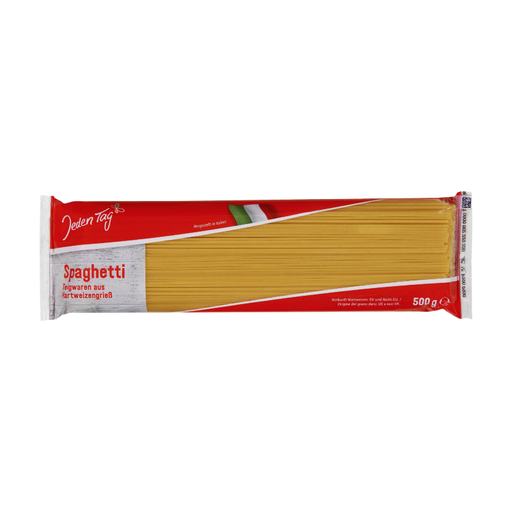
Why this product fits the profile: The 500g pack is easy to plan into your store cupboard and works well with a variety of sauces.
The ingredients list states durum wheat semolina; nutritional values and possible traces of egg, soya and mustard are provided.
500g pack size, dry storage and a cooking time of around 8 to 10 minutes.
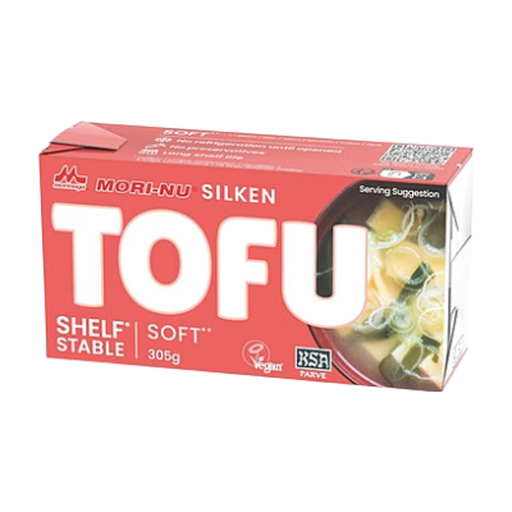
Why this product fits the profile: The soft silken tofu texture is ideal for cold dishes, soups, desserts or smoothies.
The information lists soya beans as an allergen, with water, soya beans and two additives as ingredients.
305g content, 52kcal and 5.8g protein per 100g according to the product data.
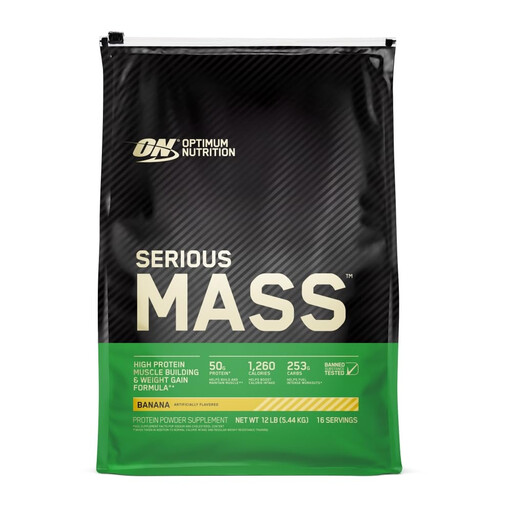
Why this product fits the profile: The large pack is designed for people who use a calorie-dense mass gainer regularly and follow the recommended serving size.
The large 335g serving and the presence of milk and soya allergens are clearly stated; the usage instructions should be followed.
5.45kg content, 50g protein and 250g carbohydrates per 335g serving according to the product information.
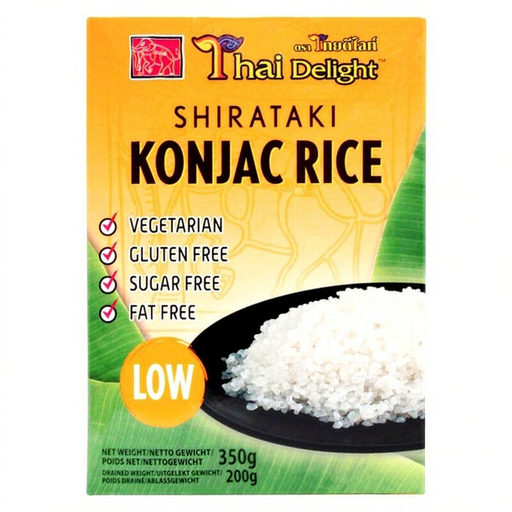
Why this product fits the profile: This konjac rice alternative is designed for salads, soups and stir-fries, and contains 9kcal per 100g according to the label.
The ingredients list states water, 3.5% konjac powder and calcium hydroxide; refrigeration is required after opening.
350g pack size, 0.6g carbohydrates and 3.6g fibre per 100g according to the product data.
We’ve put together a full, regularly updated list of products that meet these strict selection criteria and comply with all EU safety regulations.
Dry pasta, cereal bars, organic oat bars, chocolate bars, peanut puffs and unopened konjac products can often be stored well. The key factors are a cool, dry place, a good best-before date and a pack size that matches your consumption.
No, you can’t assume that. The ingredients list must be read for each product individually. The Hethsita Konjac Noodle Oat Rice contains oats and lists gluten, while the THAI DELIGHT Konjac Rice, according to the product information, does not list any gluten-containing ingredient. If you have coeliac disease or an allergy, also check the labelling for possible traces.
Compare protein content per serving, calories, carbohydrates, sweeteners, allergens and pack size. A protein bar is different from a protein mass gainer. The latter can provide a high amount of energy and carbohydrates. Food supplements should be used according to the packaging instructions and should not be considered a substitute for a balanced diet.