
Lieferung heute & morgen

Qualitätsgarantie

Willkommens-Angebote freischalten: KOSTENLOSE Lieferung | Bis zu 80 % RABATT | Kostenlose 30-Tage-JoyPlus-Testphase
App herunterladen
The trend for Asian foods has now reached the beverage aisle. In particular, melon drinks from Japan and Korea are surging in popularity, promising an exotic and refreshing summer beverage. But the sheer variety can be overwhelming, and not every product lives up to the promise of its colourful packaging. Before you buy, it's worth knowing the common pitfalls to make an informed choice.
A common issue is the mismatch between expectation and reality. Many buyers are caught off guard by unexpected textures, such as jelly-like pieces or a creamy consistency where they expected a clear soda. Another point is the sugar content. A drink marketed as "refreshing" can turn out to be intensely sweet, often due to the use of high-fructose corn syrup. Finally, the term "melon flavour" can mean anything from a subtle hint to an intense, artificial taste.
To find the right melon drink for you, it helps to check three key features. These parameters will help you correctly interpret the product description and avoid disappointment.
The world of melon drinks is more diverse than you might think. The country of origin often provides a clue about the drink's character:
A quick look at the ingredient list is essential. Pay attention to the type of sweetener. High-fructose corn syrup is common in many imported soft drinks and is often perceived as sweeter than regular sugar. The nutrition facts table reveals the sugar content per 100 ml, allowing for an objective comparison.
The term "flavouring" is also important. It indicates whether the taste comes from real fruit juice concentrate or from added flavourings. Both have their place, but this information helps you adjust your taste expectations.
Before buying, decide what kind of drinking experience you're looking for. Do you want a purely liquid, sparkling watermelon drink for refreshment? Or are you curious about the combination of drinking and chewing offered by a beverage with nata de coco? Products like Milkis offer a unique mouthfeel that is simultaneously creamy and fizzy—an experience worth knowing about before you buy a whole case.
Based on these objective criteria, we have selected a few products for different preferences.
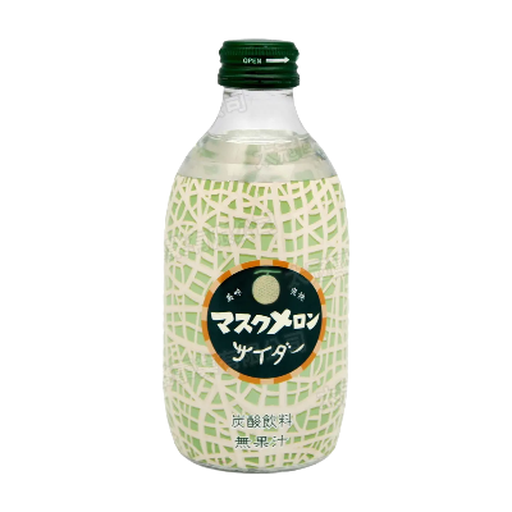
Why it's a match: Ideal for anyone seeking a clear, carbonated, and refreshing honeydew melon soda. It focuses on a pure, fruity taste experience without creamy or solid additions, representing the classic style of a Japanese soda.
The product name "Cider" (which means soda in the Japanese context) and the clear liquid set a clear expectation. There are no unexpected textures.
A focused flavour profile that highlights the aromatic character of Japanese muskmelon. Crisp and direct.
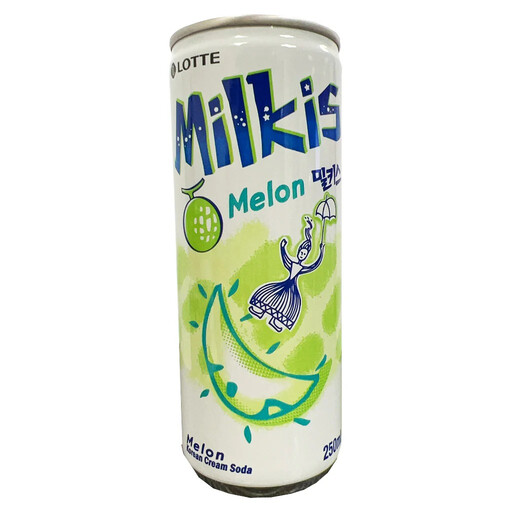
Why it's a match: Perfect for the curious and fans of Korean pop culture who want to try the iconic Korean soft drink. The combination of fruit, carbonation, and milk is its unique selling point.
The name "Milkis" and the product description clearly indicate the presence of milk and the creamy texture, avoiding the surprise of a non-clear drink.
A unique mouthfeel that is smooth, creamy, and fizzy all at once. According to the manufacturer, the drink is a source of vitamins A and D3.
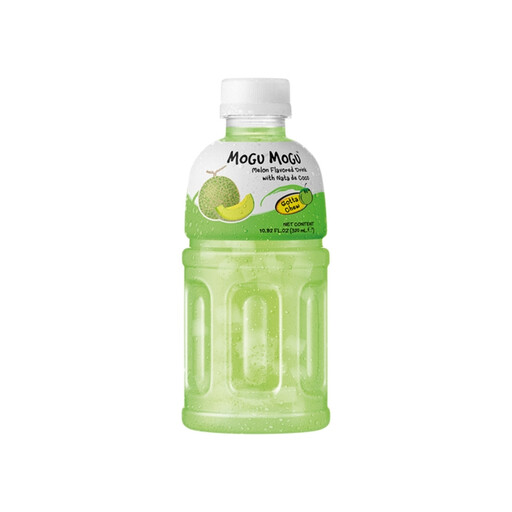
Why it's a match: For those who see a beverage as an experience. Mogu Mogu Melon is more than just a thirst-quencher—it's a drink and a snack in one, thanks to the chewy pieces of nata de coco.
The Mogu Mogu brand is explicitly known for its chewy bits. The expectation of a unique texture is the main selling point here, not a hidden feature.
Offers an interactive drinking experience that combines satisfaction and fun. According to the manufacturer, the drink contains 15% nata de coco and is Halal-certified.
We have compiled a complete, up-to-date list of products that fully meet these strict selection criteria and comply with food safety regulations.
The main difference is the bottle and its seal. Ramune bottles, like the one for GENKI RAMUNE Melon Drink, feature a Codd-neck design. Instead of a screw cap, the bottle is sealed by a glass marble held in place by the carbonation. To open it, you use a special plunger to push the marble down into the bottle, where it rattles around as you drink. This interactive element makes Ramune especially popular with young people and at festivals.
Sweetness is subjective, but many Asian soft drinks tend to be sweeter than their European or American counterparts. This is often due to the use of high-fructose corn syrup. To make an informed decision, it's best to check the nutrition facts on the label. The "of which sugars" value per 100 ml provides an objective measure of the sweetness level.
Nata de coco is a chewy, jelly-like ingredient that originated in the Philippines. It is produced through the fermentation of coconut water. The resulting cellulose substance is cut into cubes and sweetened. In drinks like Mogu Mogu Melon, it provides an interesting, chewy texture that adds a snack-like component to the drinking experience. It is neutral in taste and absorbs the flavour of the surrounding beverage.