
Lieferung heute & morgen

Qualitätsgarantie

Willkommens-Angebote freischalten: KOSTENLOSE Lieferung | Bis zu 80 % RABATT | Kostenlose 30-Tage-JoyPlus-Testphase
App herunterladen
If you want to buy hair dye, you’ll find a wide range of permanent colours, foam hair dyes, cream hair dyes and ready-to-use colour masks. However, the differences aren’t limited to the shade. The formula, application, grey coverage and longevity all determine whether the result matches your expectations.
Names such as “Chocolate”, “Golden Blonde” or “Cool Brown” describe a colour direction, but they do not guarantee the same result on every head of hair. The decisive factors are the starting hair colour, amount of grey, previous colour treatments and hair structure. As a rule, permanent hair dye cannot lighten previously coloured, darker hair by any amount you choose.
That’s why you should check the before-and-after images on the packaging. On heavily lightened or repeatedly coloured hair, the result may differ from the model image.
Manufacturer claims such as 100% grey coverage refer to the intended application and specific starting conditions. Very resistant or heavily grey hair may require a longer development time. For hair that is more than 50% grey, some products recommend extending the development time.
It’s also important to distinguish between permanent hair dye and a temporary or semi-permanent tint. A foam hair dye with a permanent formula is not the same as a wash-out colour-care product.
An ammonia-free hair dye may contain other alkaline ingredients, such as ethanolamine. Ammonia-free products can still contain colourants that trigger allergic reactions. The legally required and manufacturer-recommended allergy alert test 48 hours before every application therefore remains essential.
Do not use colourants on irritated or damaged scalps. The instructions on the packaging and in the enclosed leaflet take priority.
A permanent hair colour changes the hair colour permanently; the roots will then grow out visibly. However, colour intensity can still change due to washing, sunlight and heat. Claims such as “up to eight weeks” or “up to 100 days” are manufacturer specifications and depend on your hair, hair-care routine and washing frequency.
For regular root touch-ups, you should choose a shade that is as similar as possible. A more significant lightening or a pronounced change from warm to cool tones is more demanding to achieve at home.
A cream hair dye usually stays in place in a controlled way and is suitable for precise application to the roots. Foam hair dye can often be distributed quickly throughout the hair. One pack may not be enough for long or very thick hair.
Ready-to-use products that don’t require mixing are practical for refreshing your colour. However, they do not automatically offer the same longevity as oxidative colourants. So check whether the product is described as permanent, semi-permanent or colour care.
Many kits include a conditioning treatment to use after colouring, containing oils, panthenol, keratin or other conditioning ingredients. These can leave the hair feeling softer and smoother after rinsing. However, a conditioning treatment does not replace personalised hair care and does not automatically make a colourant “gentle”.
Check the complete ingredients list, particularly if you have known intolerances. Gloves should be worn throughout the entire application.
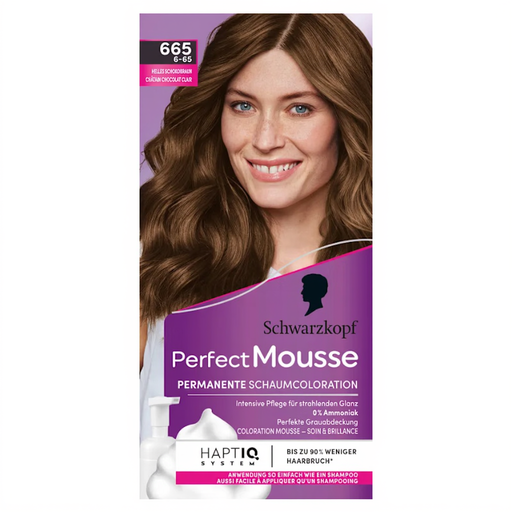
Why this product suits this profile: The foam texture is designed to make colouring your hair at home straightforward and can be distributed from the roots through to the ends. The warm golden-brown shade is ideal for shoppers looking for a brown tone with lighter reflects.
The permanent, ammonia-free formula and stated grey coverage make the product’s features easier to assess before purchase.
Foam format, permanent colour type and an included conditioning treatment containing panthenol and oils, among other ingredients.
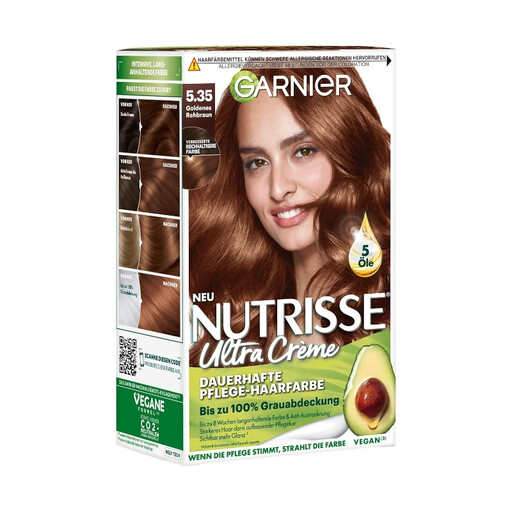
Why this product suits this profile: The creamy, non-drip texture is designed for even application. Shade 5.35 combines brown with golden reflects and is aimed at shoppers who value a rich conditioning treatment included in the kit.
The product description specifies the creamy consistency, grey coverage and intended development time rather than making only a general promise of shine.
Permanent cream hair dye, stated grey coverage and a conditioning treatment with fruit oils.
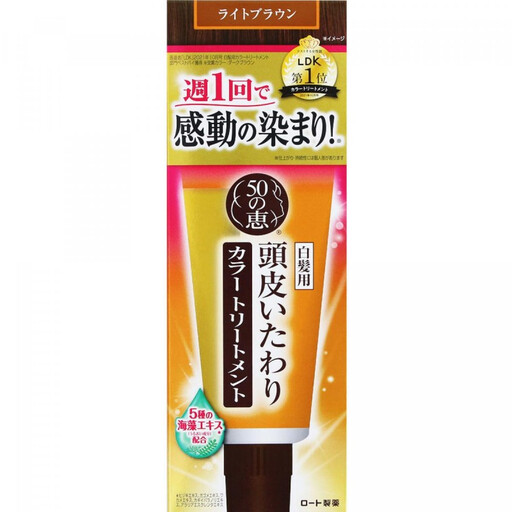
Why this product suits this profile: This ready-to-use product requires no mixing and is designed for regular colour refreshes and targeted applications. It is marketed as a colour-care product with five seaweed extracts and a light brown shade.
Using it as a ready-to-use colour-care product prevents a quick refresh from being confused with a permanent colour treatment.
No mixing required, thicker consistency and designed for repeated colour refreshes.
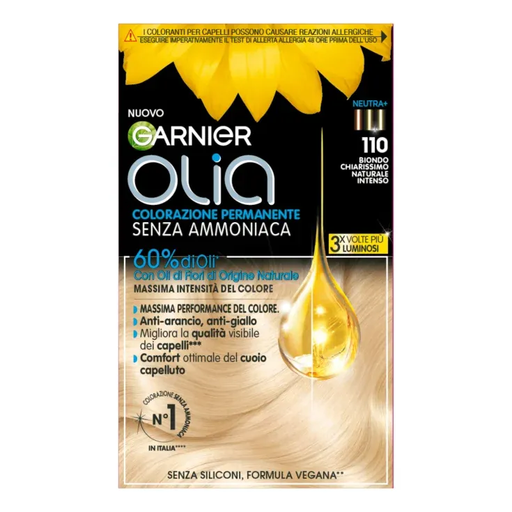
Why this product suits this profile: This permanent, ammonia-free hair colour is an appealing option for people who prefer a light natural blonde direction and a creamy, non-drip application.
The formula is explicitly labelled as ammonia-free. Even so, the allergy alert test is still required before every application.
Permanent colour treatment, ammonia-free labelling, oil-based product description and an included conditioning treatment.
We’ve put together a complete, regularly updated list of products that fully meet these strict selection criteria and the safety regulations applicable in the EU.
For grey or white hair, permanent products with stated grey coverage are an option. Pay attention to the recommended shade and development time. For a high proportion of grey hair, the instructions may recommend a longer development time.
Permanent colour grows out at the roots, while the lengths may lose intensity through washing and external influences. Specific claims such as eight weeks or 100 days are manufacturer specifications and will not be identical for every head of hair.
No. “Ammonia-free” describes one particular aspect of the formula, but it does not mean that allergic reactions are impossible. Read the ingredients, follow all warnings and carry out the allergy alert test 48 hours before every application.