
Lieferung heute & morgen

Qualitätsgarantie

Willkommens-Angebote freischalten: KOSTENLOSE Lieferung | Bis zu 80 % RABATT | Kostenlose 30-Tage-JoyPlus-Testphase
App herunterladen
If you want to buy herbal tea, you will find a wide range online: from pure fennel tea and peppermint tea to camomile tea and organic blends based on Ayurvedic recipes. However, your choice should not be based solely on the packaging, price or advertising claims. The ingredients list, portion size and preparation instructions determine whether the tea actually suits your habits.
A product can be marketed as a natural herbal blend and still contain many different ingredients. If you are looking for a particular flavour, you should therefore check the ingredients list. Fennel tea with aniseed and caraway tastes considerably more spicy than tea made from 100% fennel. In blends, liquorice, spices or fruit ingredients can also significantly change the flavour profile.
“Sustainable” and “organic” describe different characteristics. When choosing organic herbal tea, look for the organic logo and details of the inspection body on the packaging. Certifications such as Rainforest Alliance or Fair Trade, on the other hand, refer to specific raw materials or supply chains. They do not automatically mean that all ingredients come from organic farming.
A pack containing lots of tea bags may initially seem good value. However, the key factors are the weight per bag and the recommended amount per cup or pot. A 3 g tea bag can produce a stronger brew than a 1.5 g bag. If you drink tea regularly, it is therefore worth comparing the total weight, number of bags and dosage.
First, narrow down your choice according to the flavour you want:
Also look out for allergens. For example, “Sweet Wheat and Jujube Tea” contains wheat and therefore gluten. Herbal tea is not automatically gluten-free or suitable for every dietary requirement.
Herbal tea in tea bags is practical because the portion size is already set. Individually wrapped bags are useful for everyday use if the tea is often carried around or only drunk occasionally. Loose cardboard packaging, on the other hand, needs to be stored somewhere dry and protected from light.
For herbal infusions, the product instructions usually specify freshly boiled water. Depending on the variety, the steeping time is often between five and ten minutes. These instructions should be followed, as they form part of the recommended preparation method. If you are making a pot, also check how many tea bags the manufacturer recommends.
Pure herbal infusions do not normally contain tea leaves and are therefore usually caffeine-free. Even so, you should read the ingredients list for blends. Spiced varieties may contain liquorice. Products containing liquorice carry a warning that people with high blood pressure should avoid excessive consumption. Children, pregnant women and people with specific dietary requirements may also need to follow additional information provided on the packaging.
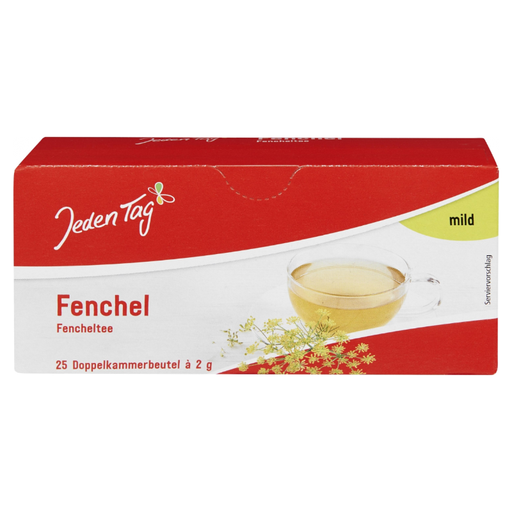
Why this product suits this profile: The pure recipe with 100% fennel and 25 bags is straightforward, making it suitable for shoppers looking for an uncomplicated variety for everyday use.
The short ingredients list makes it clear that no additional flavouring blend is included. This makes it easier to assess the flavour before buying.
25 double-chamber tea bags, 2 g per portion and Rainforest Alliance certification according to the product information.
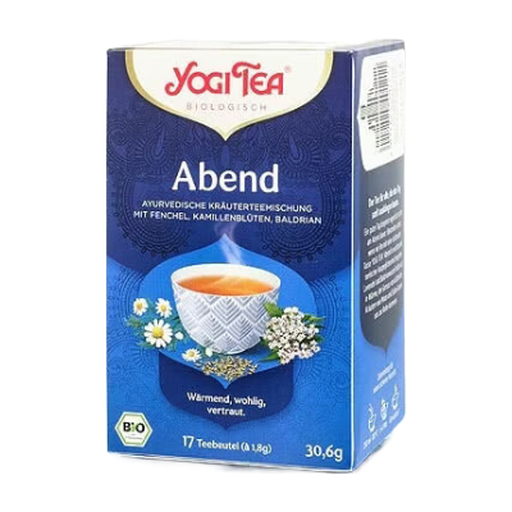
Why this product suits this profile: The organic blend of peppermint, fennel, cinnamon, cardamom, ginger, cloves and lavender is aimed at adults who prefer an aromatic tea for the evening.
The organic labelling and complete ingredients list make it easier to check the contents, rather than relying solely on general claims about naturalness.
Described as vegan, an organic herbal blend, with preparation using 250 ml of boiling water for five to six minutes.
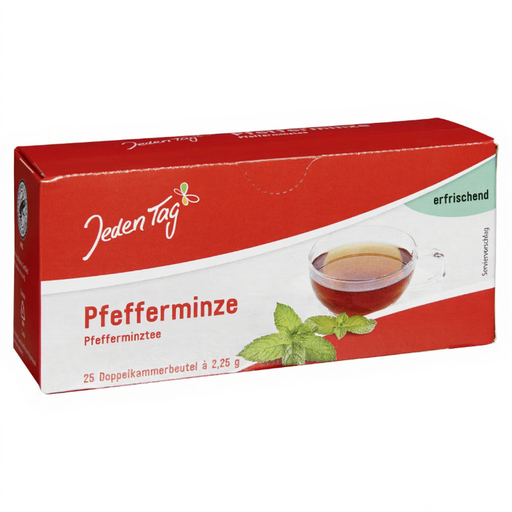
Why this product suits this profile: The 25 peppermint tea bags are suitable for regular tea breaks at home or in the office when you want a clearly defined, fresh flavour.
According to the product information, this variety consists of peppermint. This means shoppers do not have to expect a complex blend with unexpected spicy notes.
25 tea bags, Rainforest Alliance certification according to the supplier's information and a recommended steeping time of five to six minutes.
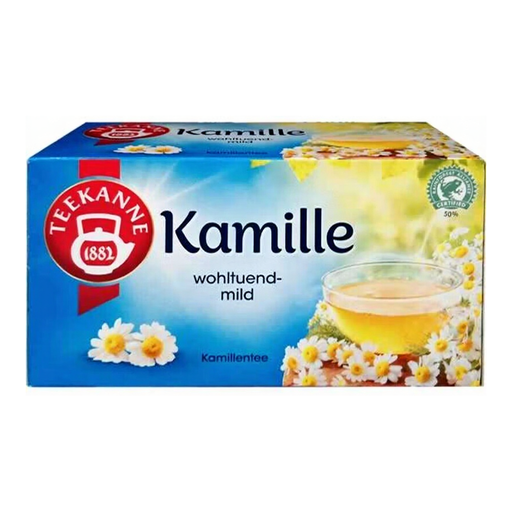
Why this product suits this profile: The simple ingredients declaration, “camomile flowers”, suits people looking for a mild, floral infusion without a spice blend.
The straightforward ingredients list reduces the risk of receiving a flavoured blend instead of a classic camomile infusion.
20 individually wrapped double-chamber tea bags, each containing 1.5 g, according to the product description.
We have compiled a complete, regularly updated list of products that fully meet these strict selection criteria and the safety regulations applicable in the EU.
Use the amount of water and steeping time stated on the packaging. For herbal tea in bags, around 200 to 250 ml per cup is usual. The water should be freshly boiled. Once opened, store the pack in a dry place protected from light, not directly next to strongly scented spices or coffee. This helps reduce moisture and loss of flavour.
Tea intended for the evening should also not contain caffeinated ingredients such as black tea, green tea or mate if you specifically want a caffeine-free drink. Herbal blends without these ingredients are generally a suitable choice.
Pure herbal teas made from fennel, peppermint or camomile flowers are normally caffeine-free. For blends, check the ingredients list, as some products may also contain green tea, black tea or mate.
The recommended steeping time depends on the variety. Many products require between five and six minutes, while fruit blends may need eight to ten minutes. Always follow the instructions on the relevant packaging.
The best-before date is shown on the packaging. Unopened products should be stored somewhere dry and cool, protected from light. Once opened, an airtight seal is recommended to prevent the tea bags from absorbing moisture or unwanted aromas.