
Lieferung heute & morgen

Qualitätsgarantie

Willkommens-Angebote freischalten: KOSTENLOSE Lieferung | Bis zu 80 % RABATT | Kostenlose 30-Tage-JoyPlus-Testphase
App herunterladen
Herbal tea is a staple in many households. The range stretches from pure peppermint tea and chamomile tea to complex blends with fennel, sage, lemongrass or spices. But when shopping online, not every offer is easy to compare at first glance.
Three typical buying pitfalls can mean you end up paying more or choosing a variety that doesn't suit your taste:
If you're looking for a clean, unadulterated taste, you should look for products with a short ingredient list. With peppermint tea, peppermint can make up 100% of the recipe. This is the case with pure peppermint tea from Teekanne. A product with peppermint, ginger and lemon zest, on the other hand, will taste more complex and less exclusively minty.
The proportion is also important with chamomile tea. Pure chamomile tea consists of chamomile flowers, whereas blends may also contain lemongrass, fennel or spices. For children or in households with different preferences, a mixed tea selection can be a good idea. Before buying, it's also worth checking the allergen labelling. According to the product information, Yogi Tea Basische Kräuter organic herbal tea contains oat grass and is therefore labelled as containing gluten.
The statement "20 bags" is not enough for a price comparison. A bag can contain, for example, 1.5 g, 2.25 g or 3 g. What matters, therefore, is:
A fennel tea with 25 bags of 3 g each contains more tea than a product with 20 bags of 1.5 g each. For heavy users, a larger pack can be more economical, while smaller packs are suitable for trying out different varieties.
For herbal tea in bags, the product information usually recommends freshly boiled water. Depending on the variety, the steeping time is usually between five and ten minutes. This allows the aroma to be sufficiently released from the herbs. The specific instructions on the packaging take precedence.
Opened packs should be stored in a dry place, away from light and strong-smelling foods. Individually wrapped bags can better protect the aroma in everyday use. For families, it's also practical if the portioning is clearly stated and the tea can be prepared for both a cup and a pot.
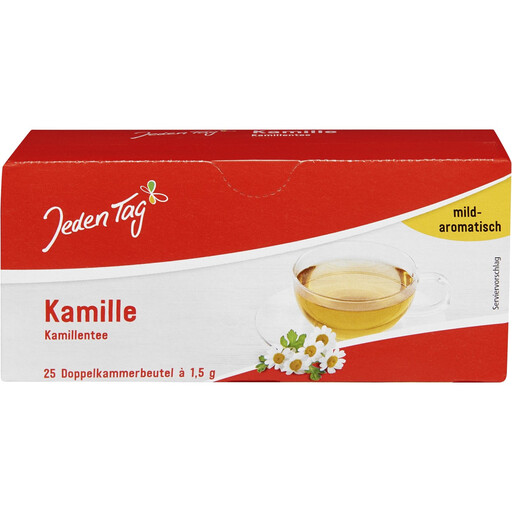
Why this product fits the profile: 25 bags of 1.5 g each offer a manageable pack size for regularly getting started with chamomile tea.
The ingredient list names chamomile flowers as the only ingredient. This makes it clear what flavour profile to expect.
25 portioned tea bags, 37.5 g total weight and a preparation recommendation of 5–8 minutes.
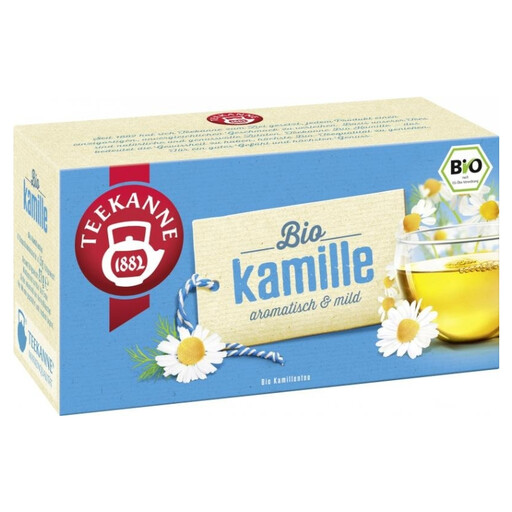
Why this product fits the profile: This variety is aimed at buyers who prefer organic certification and a clearly declared single-ingredient recipe.
The product information states that the chamomile is 100% from controlled organic cultivation. This distinguishes it from unspecified blends.
18 bags of 1.5 g each, organic chamomile as the only ingredient and a recommended steeping time of 5–8 minutes.
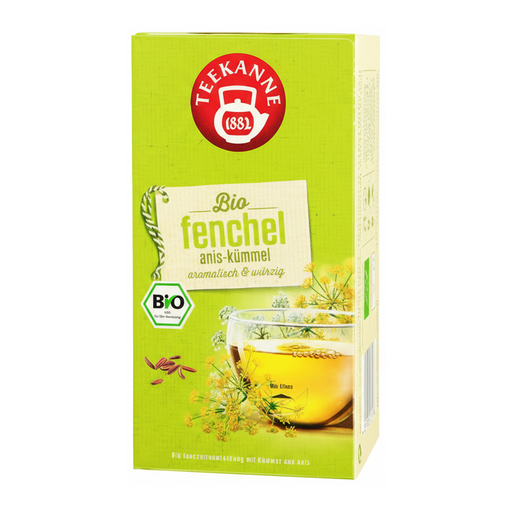
Why this product fits the profile: The combination of fennel, anise and caraway is ideal for buyers looking for a spicy, clearly defined organic herbal profile rather than a single-herb tea.
The proportions are transparently stated: 60% fennel, 30% caraway and 10% anise, all from controlled organic cultivation.
18 bags of 2.5 g each, 100% organic ingredients according to the product information and individual portions for home preparation.
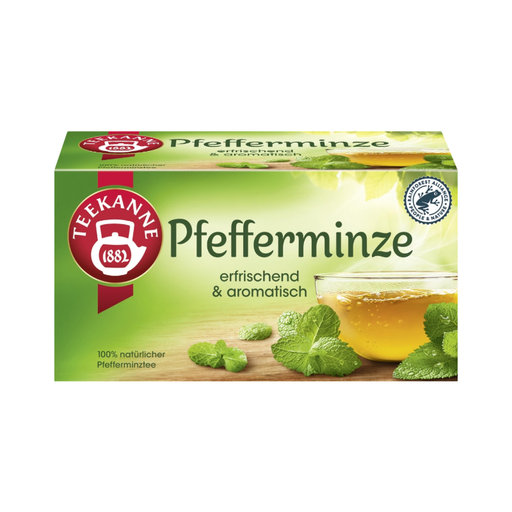
Why this product fits the profile: If you're looking for a caffeine-free tea with only peppermint, you get a single ingredient that's easy to identify.
The ingredient list states peppermint at 100%. This means there are no unexpected spice or fruit notes from a blended recipe.
20 bags of 2.25 g each, caffeine-free according to the product information and with 50% Rainforest Alliance certified peppermint.
We've put together a complete, regularly updated list of products that fully meet these strict selection criteria and the safety regulations in force in the EU.
Pure herbal tea made from peppermint, chamomile, fennel, sage or lemongrass normally contains no caffeine. With blends, you should check the ingredient list. Rooibos is also caffeine-free, but botanically it is not one of the classic herbs. Black or green tea in a blend, on the other hand, would contribute caffeine.
The recommended steeping time depends on the recipe and bag weight. Five to eight minutes is often stated; for sage tea, the product information may specify five to ten minutes. For safe preparation, always use boiling water and follow the manufacturer's instructions on the pack.
The best-before date is on the individual packaging. Unopened packs should be stored in a dry place, away from light and not near strong odours. After opening, a well-sealed container is recommended. If the packaging is damaged, or if there is moisture or an unusual smell, the tea should not be used.