
Lieferung heute & morgen

Qualitätsgarantie

Willkommens-Angebote freischalten: KOSTENLOSE Lieferung | Bis zu 80 % RABATT | Kostenlose 30-Tage-JoyPlus-Testphase
App herunterladen
If you’re looking to buy herbal tea online, you’ll find a huge selection of varieties, pack sizes and quality features. But it’s not just the taste and price that differ between chamomile tea, peppermint tea, fennel tea, organic herbal blends and traditional Asian herbal drinks. The ingredients list, number of tea bags and preparation method also affect whether a product fits into your daily routine.
As Joybuy’s Product Recommendation Officer, I filter the information using clear, understandable criteria and show you what buyers in the UK should look out for.
Labels like “wellness”, “evening tea” or “natural” don’t automatically describe a specific blend. What really matters is the ingredients list. A pure chamomile tea, for example, consists solely of chamomile flowers, whereas a herbal blend can contain several ingredients and offer a range of different flavour profiles.
Terms such as organic herbal tea, vegan or sustainable should also be checked against a corresponding seal or specific certification information on the packaging.
“Tea 20 bags” and “Tea 25 bags” sound like similar packs. However, the actual total weight can differ significantly. Depending on the product, one bag might contain 1.5 g, 2 g or 3 g. For regular drinkers, the price per bag or per 100 g is therefore more meaningful than the price per pack alone.
Herbal and fruit teas often recommend a steeping time of several minutes. Brands like Meßmer and Teekanne advise using boiling water and a steeping time of around five to eight minutes for various products. If you only use lukewarm water or remove the bag too early, you may end up with a less pronounced flavour. Always follow the specific instructions on the packaging.
Individually wrapped bags can protect the flavour better from moisture and foreign odours. For regular enjoyment, cartons with 20 or 25 bags are practical. With products in larger portions, such as Chinese herbal drinks, you should also check whether cool storage is required after opening.
For an organic herbal tea, the controlled organic cultivation should be explicitly labelled. Sustainability seals such as Rainforest Alliance or Fair Trade certifications refer to the ingredients listed and not necessarily to the entire carton.
If you are shopping gluten-free, vegan or with allergen awareness, you should read the full ingredients and allergen labelling. A product containing wheat or gluten, for example, is not suitable for a gluten-free diet. With liquorice root, you should also pay attention to the manufacturer’s warnings.
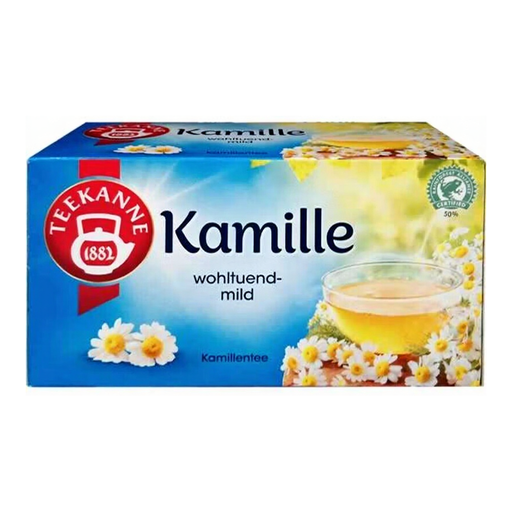
Why this product fits the profile: The carton contains 20 individually wrapped double-chamber bags, each with 1.5 g of chamomile flowers. This is a manageable pack size for occasional or daily enjoyment.
The ingredients list states only chamomile flowers. This makes it clear that there is no unnecessary blend variety or added flavouring.
20 bags, individually wrapped; allergen-free according to product information; mild, clearly defined ingredient base.
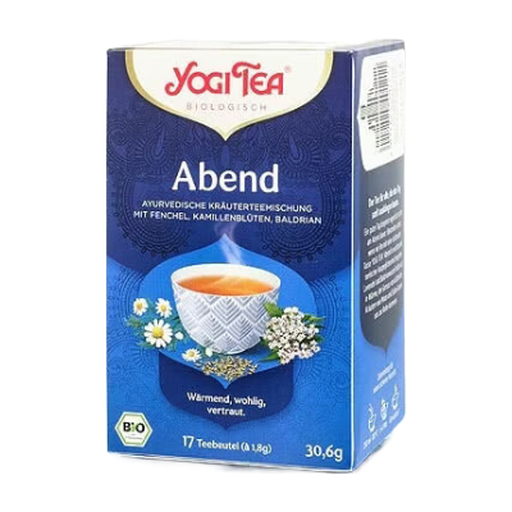
Why this product fits the profile: The blend of organic cinnamon, cardamom, ginger, peppermint, fennel, cloves and lavender is designed for an evening drinking ritual. It is caffeine-free and vegan according to product information.
The organic ingredients are listed individually. This allows shoppers to check the composition, flavour expectations and any special features such as liquorice root.
100 per cent certified organic ingredients according to product description; 17 bags of 1.8 g; caffeine-free herbal blend.
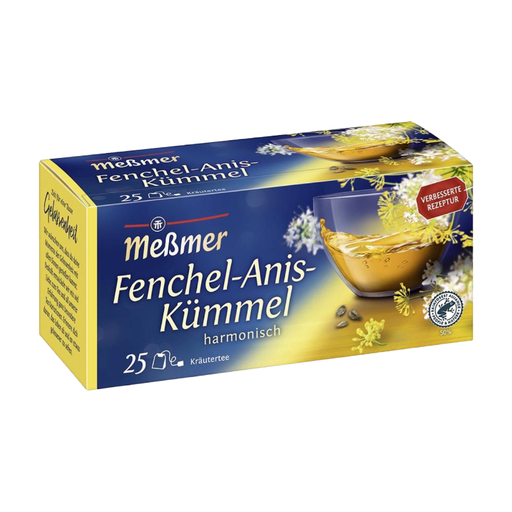
Why this product fits the profile: 25 bags, each weighing 2 g, are ideal for households where tea is made regularly. The blend has a spicy, slightly sweet profile.
The blend explicitly names fennel, cumin and aniseed. Preparation instructions with boiling water and a six-minute steeping time are also provided.
25 portioned bags; vegan and gluten-free according to product information; Rainforest Alliance-certified ingredient proportions are declared.
We have put together a complete, regularly updated list of products that fully meet these strict selection criteria and the safety regulations in force in the EU.
For one tea bag, around 200 to 250 ml of boiling water is often recommended. The steeping time depends on the variety: chamomile and peppermint are usually around five to eight minutes, while fruit tea can take eight to ten minutes. Always follow the instructions from the specific manufacturer.
Tea should be stored in a dry, cool place, protected from light and strong odours. After opening larger packs, a tightly sealable container is advisable. Once brewed, tea should not be left at room temperature for too long.
Pure herbal tea normally contains no caffeine. With blends, shoppers should check the ingredients list, especially if mate, guarana or black or green tea are included. Fruit tea is also usually caffeine-free, unless such ingredients have been added.
The best-before date is printed on the packaging. When stored correctly, dry tea bags remain aromatic up to this date. Moisture, heat and open storage next to strongly scented foods can affect the quality sooner.
Pay attention to the number of bags, gram weight per bag, ingredients, allergens, certifications and steeping time. For price comparison, the total content is what matters. For families or heavy drinkers, 25 bags can be more economical; for occasional tea breaks, a pack of 20 bags is often sufficient.