
Lieferung heute & morgen

Qualitätsgarantie

Willkommens-Angebote freischalten: KOSTENLOSE Lieferung | Bis zu 80 % RABATT | Kostenlose 30-Tage-JoyPlus-Testphase
App herunterladen
If you’re looking to buy herbal tea for everyday drinking, a tea break or the evening, the shops are full of blends and single-herb options. But with organic seals, evocative product names and promises like “calming tea”, it’s not always easy to see which variety actually suits your taste and drinking habits.
Names like “evening tea”, “feel-good tea” or “Ayurvedic tea” often describe the flavour direction or a traditional dietary concept. They are not an automatic guarantee of a specific effect. So if you want to buy herbal tea, you should first check the ingredients list and the brewing instructions.
Depending on the product, a bag might contain 1.5 g, 1.75 g, 2.25 g or 3 g. The recommended water volume and steeping time also vary. Two packs with 20 or 25 bags each can therefore yield a different number of cups or pots.
“Organic herbal tea” should be verifiable from the labelling on the packaging. The EU organic logo, the inspection body number and the ingredients with an organic note are all relevant. Sustainability seals like Rainforest Alliance or Fair Trade labels don’t necessarily apply to every component of a product.
A single-ingredient tea is usually easier to place flavour-wise. Peppermint tea made from peppermint, chamomile tea from chamomile flowers, or fennel tea from fennel each develop a clearly recognisable aroma. Blends, on the other hand, combine several notes:
The ingredients list also shows whether liquorice is included. For products containing liquorice root, people with high blood pressure should check the packaging instructions and avoid excessive consumption. A tea with senna, as found in some special herbal blends, is not automatically intended for daily enjoyment.
Many herbal and fruit teas are naturally caffeine-free tea. However, this doesn’t apply to every flavoured blend. If a product contains green or black tea, caffeine may be present. The ingredients list will clarify this.
For a tea for the evening, blends without tea leaves and without added caffeine are ideal. If you prefer a strong flavour, you can go for ginger, sage or peppermint varieties. For a milder character, chamomile, fennel or a spice blend are good options.
Before buying, it’s worth comparing three details:
For safe preparation, always use freshly boiled water. For different herbal teas, a minimum steeping time is stated on the pack. After opening, store in a dry, dark and odour-free place to protect the aroma.
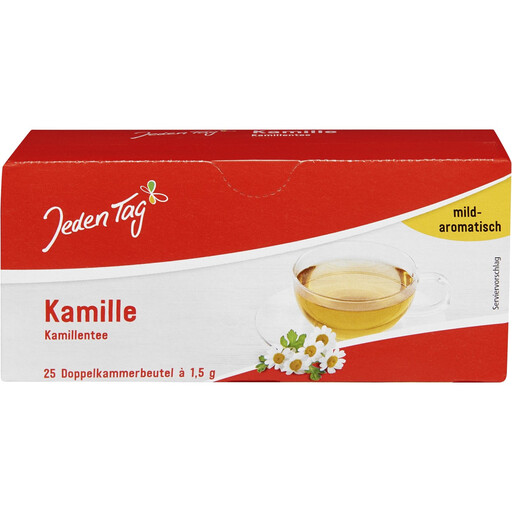
Why this product fits the profile: The pack contains 25 bags, each with 1.5 g of chamomile flowers, making it ideal for regular cups of caffeine-free tea.
The ingredients list states only chamomile flowers. This removes any uncertainty about hidden flavoured components.
25 individual portions, 5–8 minutes steeping time and clearly described preparation.
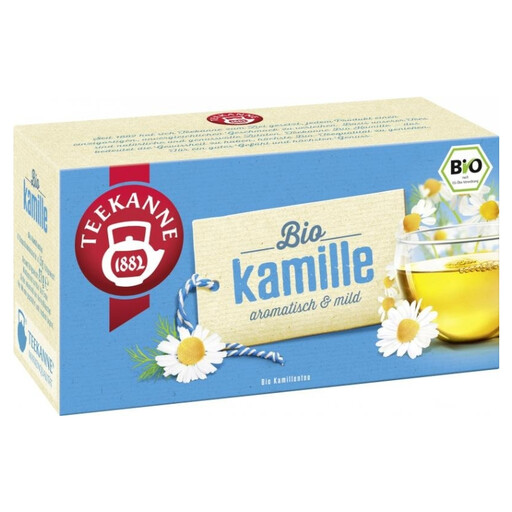
Why this product fits the profile: The ingredients are listed as chamomile from controlled organic cultivation. This suits buyers who carefully check origin and certification.
The organic certification is directly linked to the ingredient declaration, not just part of a general packaging claim.
18 individually portioned bags and a stated steeping time of 5–8 minutes.
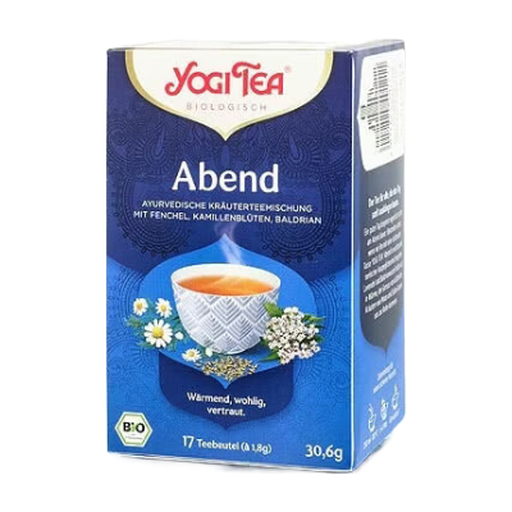
Why this product fits the profile: The blend combines spices and herbs such as cinnamon, cardamom, ginger, peppermint, fennel and lavender for a complex cup in the evening.
The aromatic direction is made clear through a concrete ingredients list, rather than relying solely on the name “evening tea”.
Organic herbal blend, 17 bags each weighing 1.8 g and an explicitly caffeine-free ingredient profile.
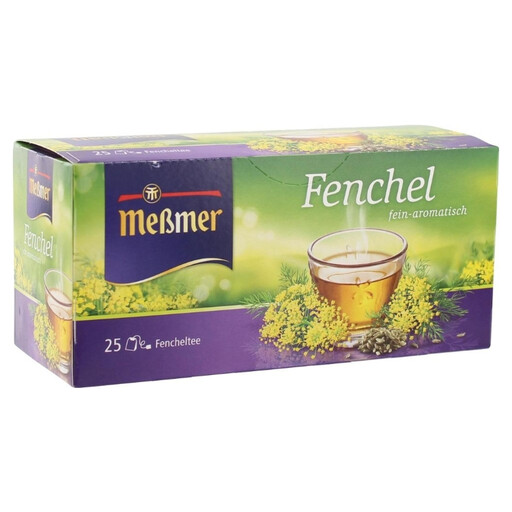
Why this product fits the profile: The 25 bags each contain 3 g of fennel, making them suitable for individual cups or a larger pot.
The bag weight is clearly stated. This makes it easier to compare the pack with products that also have 25 bags but less content.
100 % fennel according to the product information, 25 portions and a recommended steeping time of at least 5–6 minutes.
We’ve put together a full, regularly updated list of products that fully meet these strict selection criteria and the safety regulations in force in the EU.
Herbal tea and fruit tea usually contain no caffeine, provided they don’t include any green tea, black tea, mate or guarana. The ingredients list is therefore more reliable than the product name alone.
The exact steeping time depends on the recipe and bag weight. Five to eight minutes is often recommended, and up to ten minutes for some blends. The instructions on the packaging are the key guide. Always use freshly boiled water for preparation.
Opened packs should be stored in a dry, cool place away from direct light. Strong smells from the spice cupboard or fridge can affect the aroma. Individually wrapped bags are less sensitive during storage, but the best-before date still applies.