
Lieferung heute & morgen

Qualitätsgarantie

Willkommens-Angebote freischalten: KOSTENLOSE Lieferung | Bis zu 80 % RABATT | Kostenlose 30-Tage-JoyPlus-Testphase
App herunterladen
Herbal tea is a caffeine-free alternative to black or green tea for many households. The range stretches from pure peppermint tea and chamomile tea to aromatic herbal blends for the evening. But not every pack suits every drinking habit or taste. If you only look at the name or the packaging, you can easily miss important differences.
1. A fancy variety name tells you little about the recipe.
Names like "Pure Herbs", "Evening Tea" or "Wellness" can contain a wide range of ingredients. What really matters is the ingredients list: a tea with peppermint as the main ingredient creates a very different flavour to a blend with fennel, aniseed, caraway, lemongrass or liquorice root.
2. "Organic" and sustainability are not the same thing.
An organic herbal tea should carry a traceable organic label or a corresponding certification. Sustainability certifications such as Rainforest Alliance or Fair Trade refer to specific raw materials or proportions, and not automatically to every ingredient in the pack. The specific labelling on the product itself is what counts.
3. The portion size is often overlooked.
20 bags of 1.5 g and 20 bags of 3 g are not comparable in terms of quantity. The recommended number for a pot can also vary. If you drink tea regularly, you should therefore look at the number of bags, the gram weight and the dosage recommendation together.
For a clear, fresh taste, peppermint tea with 100% peppermint is often a good choice. If you prefer a milder, floral cup, you can opt for chamomile flowers. Sage tea usually tastes strong and spicy. Fennel is aromatic and slightly sweet; a fennel-aniseed-caraway tea combines these notes into a distinctly characterful blend.
With blends, pay attention to the order of the ingredients. It tells you which components are present in larger quantities. Liquorice can create a noticeably sweet note and is not to everyone's taste. If you have known intolerances, also check the allergen labelling.
Pure herbal teas are generally caffeine-free, provided they contain no caffeine-containing ingredients such as black tea, green tea, mate or guarana. A look at the ingredients list will clarify this. Fruit teas with rosehip and hibiscus are not automatically classed as herbal teas, but they are also often caffeine-free and can be a suitable alternative.
For an evening tea, being caffeine-free is particularly important. The aroma alone, however, tells you nothing about the actual composition.
Preparation instructions vary from product to product. Water at 100 °C and a steeping time of around 5 to 8 minutes are often recommended. For herbal infusions, this guideline also ensures safe preparation. For a pot, at least three or four bags are usually required.
Individually wrapped tea bags protect the aroma during storage, but create more packaging waste. Loose herbs can be more economical if you use them frequently, but they need a well-sealed, dry container. Regardless of the format, herbal tea should be stored in a dry, cool place, away from strong odours.
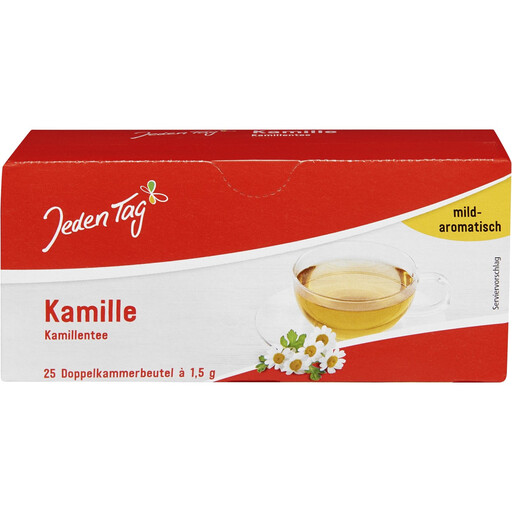
Why this product fits the profile: 25 bags, each containing 1.5 g of chamomile flowers, offer a manageable pack size for daily use and straightforward preparation.
The ingredients list states only chamomile flowers. This makes the recipe clearer to assess than with vaguely described blends.
25 pre-portioned bags, no listed allergens, and a steeping time of 5–8 minutes according to the product information.
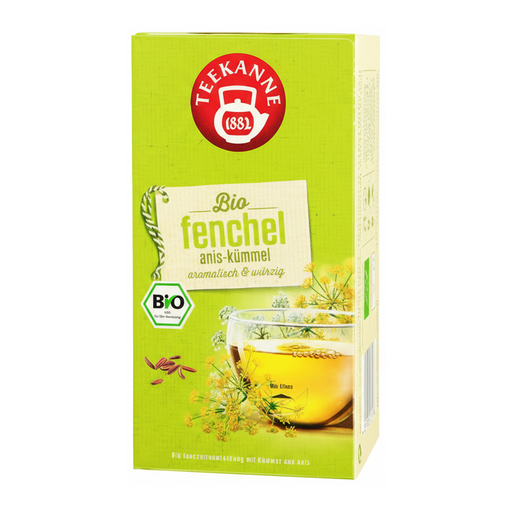
Why this product fits the profile: This blend is aimed at buyers who prefer a clearly defined recipe and certified organic ingredients.
The ingredients are listed with their proportions: fennel 60%, caraway 30% and aniseed 10%, all from certified organic farming.
18 individually wrapped bags, each containing 2.5 g; according to the product information, 100% ingredients from certified organic farming.
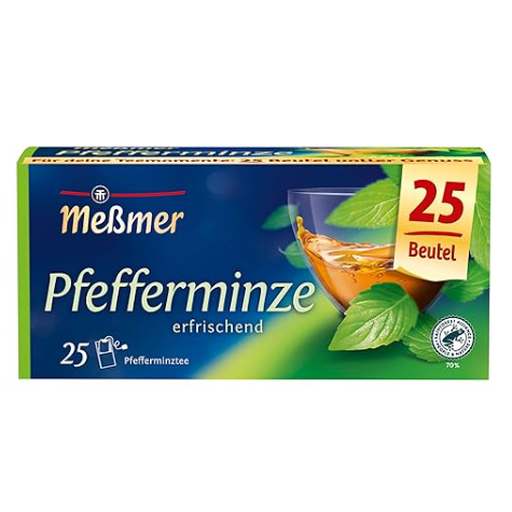
Why this product fits the profile: 25 generously portioned bags are ideal for regular cups and can also be used for a pot, according to the instructions.
The recipe explicitly names peppermint, ginger and lemon peel. The tea is also described as caffeine-free, gluten-free and lactose-free.
25 bags, each weighing 2.25 g, vegan product labelling and UTZ certification according to the provided product information.
We have put together a complete, regularly updated list of products that fully meet these strict selection criteria and the safety regulations in force in the EU.
If you prefer a pure taste, Teekanne Peppermint Tea offers a recipe made from 100% peppermint. For a mild herbal infusion, Teekanne Chamomile Tea with chamomile flowers is an obvious choice. An evening tea such as YOGI TEA Evening Organic combines peppermint, fennel and lavender, among other ingredients; the blend is described as an organic product and vegan.
For a stronger, spicier infusion, Bad Heilbrunner Sage Tea is a good option. The pack contains 8 bags. For families or frequent consumption, 25-bag packs can be more practical. You should still follow the respective steeping times and quantity instructions.
Pure herbal teas such as peppermint, chamomile, sage or fennel naturally contain no caffeine. For blends, the ingredients list is what matters. If a recipe contains black tea, green tea, mate or guarana, it is not automatically caffeine-free.
The product information provided mostly recommends boiling water. Depending on the variety, the steeping time is usually between 5 and 8 minutes. For a pot, several bags are often needed. Always follow the instructions on the individual pack.
The best-before date is on the pack. Until then, store dry tea bags in a cool, dry place, protected from light and strong odours. After opening, a tightly closing cardboard box or container is recommended. Aroma and quality can deteriorate if stored in damp or warm conditions.