
Lieferung heute & morgen

Qualitätsgarantie

Willkommens-Angebote freischalten: KOSTENLOSE Lieferung | Bis zu 80 % RABATT | Kostenlose 30-Tage-JoyPlus-Testphase
App herunterladen
Anyone looking to buy herbal tea will find a wide range online: loose blends, tea bags, instant products, fruit tea and ready-to-drink herbal tea. However, the packaging does not always make it clear what the drink actually contains. Three common shopping pitfalls in particular can lead to disappointing purchases.
Many instant and ready-to-drink products contain sugar, fructose or sweeteners. For example, the product information for Delief Jujubee Tea 560g lists 52.68 g of sugar per 100 g. TBEST Ginger Tea also contains sugar and fructose alongside 34% ginger. In terms of flavour, these products are more like sweet tea concentrates than traditional unsweetened infusions.
Chinese herbal tea and Asian herbal tea can contain very different ingredients. Wang Lao Ji Classic Herbal Tea lists chrysanthemum, liquorice, cassia seeds and honeysuckle, among others. For products containing liquorice or specific herbs, consumers should follow the information on the packaging. According to the product information, Ranong Tea Derr Chape consists of senna leaves and senna fruit, and includes a maximum daily amount as well as age and usage instructions.
A caffeine-free tea can taste spicy, fruity, floral or distinctly sweet. Ginger, peppermint, hibiscus, chrysanthemum and roasted soya beans each have their own flavour profile. If you search solely for “tea without caffeine”, you may overlook important differences in sweetness, acidity, intensity and preparation method.
The ingredients list shows whether the product is a pure herbal infusion or a drink containing sugar and additives. Tea bags or loose herbs without added sugar are generally suitable for an unsweetened everyday tea. Instant tea and concentrates are convenient, but often contain sugar. So compare:
An organic herbal tea should display a verifiable organic certification and the number of the inspection body. For example, YOGI TEA Throat Warmer states “DE-ÖKO-005”.
Herbal and fruit tea are not automatically caffeine-free if they contain Pu-Erh tea or other Camellia sinensis ingredients, for example. JiLiangMu Original Sliced Fruit Chrysanthemum Pu-erh Tea combines dried fruit, chrysanthemum and Pu-Erh tea. For anyone consistently looking for tea without caffeine, an explicit caffeine-free statement is useful.
Typical caffeine-free options include:
When it comes to allergies, the labelling is crucial: Orihiro Kuromame Tea contains soya beans and, according to the product information, may contain traces of peanuts and other nuts.
Tea bags are pre-portioned and suitable for the office, travelling or a quick infusion. Loose herbs offer more flexibility when it comes to dosage and strength. Concentrates in jars can be prepared hot or cold, but often need to be refrigerated after opening and used promptly. Ready-to-drink herbal tea requires no preparation; however, sugar content, serving size and storage instructions should play a greater role in your purchasing decision.
Also pay attention to the preparation temperature. Several products specifically require boiling water. This is not simply a matter of taste, but part of the relevant usage instructions on the packaging.
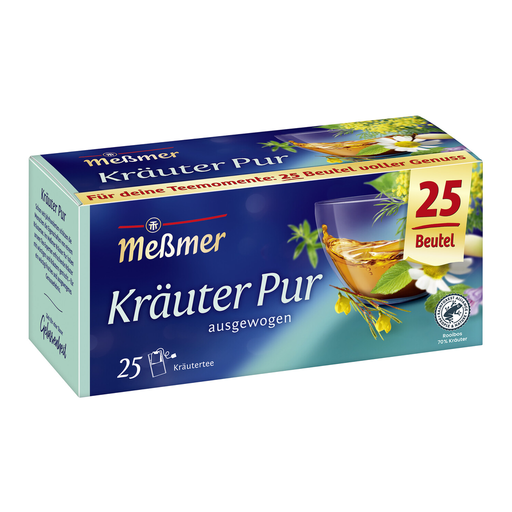
Why this product fits the profile: The 25 pre-portioned bags are ideal for regularly exploring different herbal flavours. The blend includes peppermint, lemongrass, fennel, chamomile and lemon balm, among others.
The ingredients and nutritional values for the infusion are provided. This is not a sweet concentrate.
25 bags, 50 g total weight and a six-minute brewing time according to the product information.
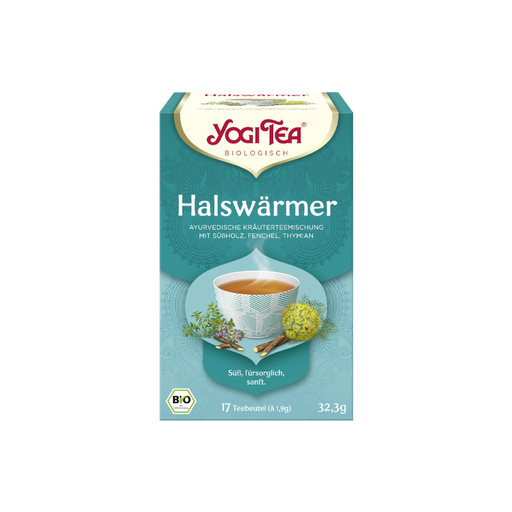
Why this product fits the profile: This organic blend combines liquorice, fennel, cinnamon, orange peel, ginger and thyme. According to the product information, it is vegan, gluten-free and lactose-free.
The DE-ÖKO-005 organic certification and complete ingredients list make it easier to check the product before buying. The warning about liquorice and high blood pressure should be taken into account.
17 individually portioned bags containing 1.9 g each; prepare with 250 ml of boiling water and brew for five to six minutes.
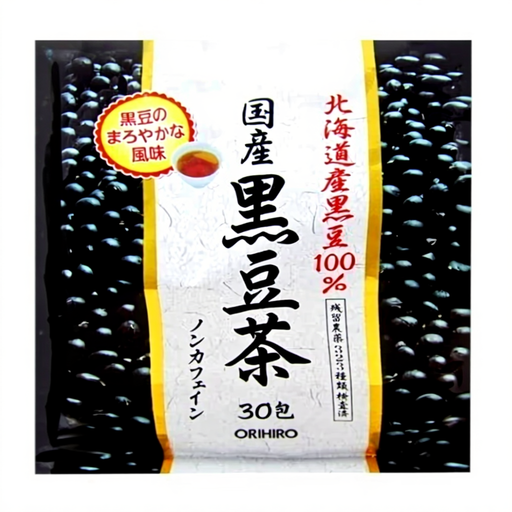
Why this product fits the profile: According to the description, this Japanese herbal infusion consists exclusively of roasted black soya beans and can be enjoyed hot or over ice.
Kuromame is the only listed ingredient. This makes it easy to rule out sweeteners and hidden flavourings in the ingredients list; soya must still be taken into account as an allergen.
180-g pack, prepared with one to two tablespoons and a brewing time of three to five minutes.
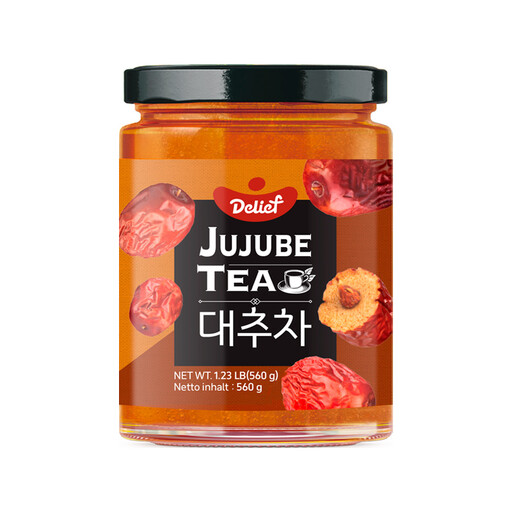
Why this product fits the profile: The jujube concentrate is prepared as a sweet drink and is suitable for people who prefer jujube tea as a concentrate rather than a bagged infusion.
The high sugar content per 100 g is clearly stated. This allows shoppers to identify the product knowingly as a sweetened concentrate.
560-g jar and versatile use as a hot drink; according to the product information, refrigerate after opening and use promptly.
We have put together a complete, regularly updated list of products that fully meet these strict selection criteria and the safety regulations applicable in the EU.
Pure herbal infusions made from chamomile, ginger, peppermint, chrysanthemum or roasted soya beans contain no added caffeine according to their respective product descriptions. For blends containing Pu-Erh or black tea, you should check the ingredients list. An explicit statement such as “caffeine-free” provides additional guidance.
The brewing time depends on the product and dosage. Jeden Tag chamomile tea is recommended to brew for five to eight minutes, while the rosehip and hibiscus fruit tea requires eight to ten minutes according to the product information. For Asian blends, the recommended brewing time is often three to five minutes. The instructions on the packaging should always be followed.
Dry tea bags and loose herbs should be kept in a cool, dry place protected from light, ideally away from strong odours. Opened concentrates such as ginger or jujube tea should be resealed as stated in the product information and stored in the fridge if necessary. Ready-to-drink products should generally be consumed immediately after opening.