
Lieferung heute & morgen

Qualitätsgarantie

Willkommens-Angebote freischalten: KOSTENLOSE Lieferung | Bis zu 80 % RABATT | Kostenlose 30-Tage-JoyPlus-Testphase
App herunterladen
If you’re looking to buy honey, you’ll find a huge selection online: organic honey, blossom honey, forest honey, acacia honey and Manuka honey all differ not just in taste. Origin, certification, consistency, fill quantity and labelling also affect whether a product suits your everyday needs.
Three common buying mistakes can quickly lead to unnecessary spending:
Blossom honey comes predominantly from flower nectar and is often mild to balanced. It works well as a spread on bread, in muesli, yoghurt or for sweetening drinks. Mountain blossom honey can have a more floral profile depending on its origin.
Forest honey is produced mainly from the honeydew of trees and often has a darker colour and a stronger, spicier note. It pairs well with hearty bread, black tea or savoury marinades.
Acacia honey is usually light, mild and stays liquid for longer. This makes it ideal for stirring into drinks or using as a natural sweetener in baking. However, the name alone says nothing about an organic certification.
Pay attention to the specific country of origin statement. “Blend of honey from EU and non-EU countries” is a different piece of information from “Origin Germany”. If you are specifically looking for organic honey from Germany, you should check both details: the organic logo or control body number, and the country of origin.
For products with an organic indication, control numbers such as DE-ÖKO-001 or DE-ÖKO-005 may appear on the label. The information on the delivered packaging is what counts, as product design and labelling can be updated.
For an occasional breakfast spread, honey 250 g can be a sensible choice. This size can be used up more quickly and gives you the chance to try different varieties. Families or heavy users often go for honey 500 g, as the price per gram and the frequency of repurchasing can differ.
Also check the type of packaging. A squeezy bottle makes portioning easier, while a jar offers classic storage. Liquid honey is practical for tea and baking recipes, but it too can crystallise later on.
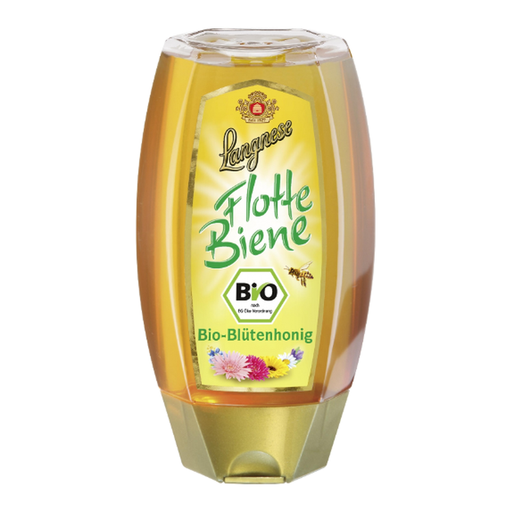
Why this product suits the profile: The 250 g pack is ideal for households that want to try organic honey in a manageable quantity first. The fruity, mild blossom honey goes well with bread, tea, muesli and fruit salad.
The organic control number DE-ÖKO-005 is stated. This means the organic claim can be verified against a specific identifier.
100 % organic blossom honey, 250 g content and, according to the product information, from Germany.
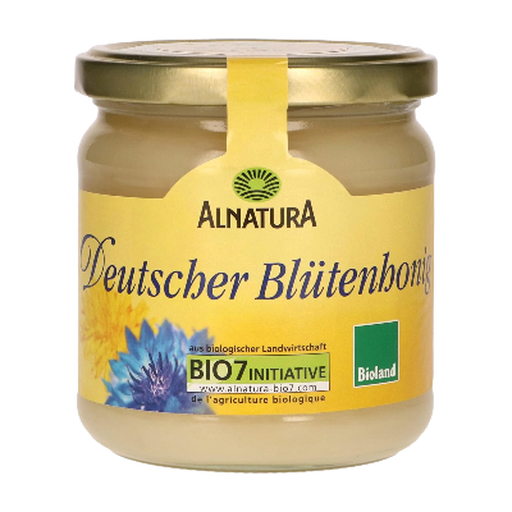
Why this product suits the profile: The 500 g size is designed for families and regular use at breakfast, for baking or sweetening drinks. The country of origin, Germany, is clearly stated.
The product information lists the EU organic regulation or Bioland guidelines and the country of origin Germany separately.
Mild organic blossom honey, 500 g content and glass jar packaging.
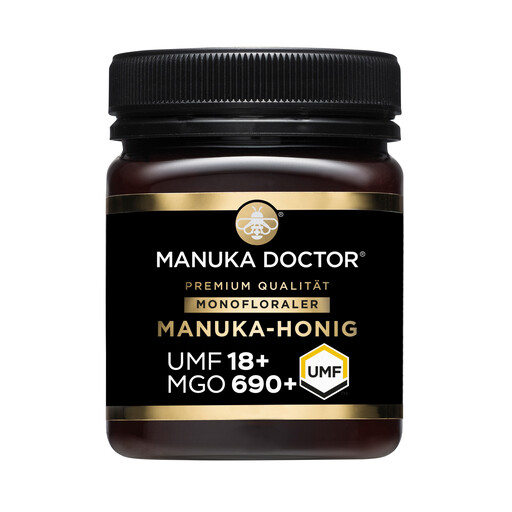
Why this product suits the profile: This product is aimed at shoppers who are specifically looking for monofloral Manuka honey from New Zealand and want to compare a stated UMF or MGO value.
The labelling states UMF 18+ and MGO 690+ as well as independent testing according to the product information. The value should be cross-checked with the label.
100 % monofloral Manuka honey, 250 g content and no added sugars or preservatives according to the product description.
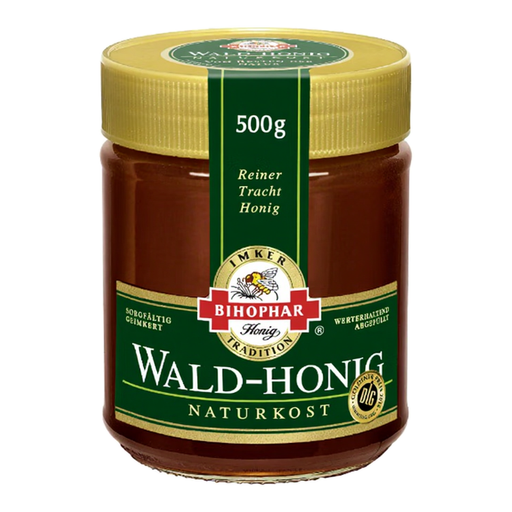
Why this product suits the profile: The 500 g pack is suitable for regular sweetening, baking and spreading on bread. The strong flavour of forest honey is distinctly different from mild blossom honey.
The product information indicates forest honey from EU and non-EU countries. This means the origin should not be equated with German forest honey.
Liquid forest honey, 500 g content and glass jar packaging with a strong flavour profile.
We have put together a complete, regularly updated list of products that fully meet these strict selection criteria and the safety regulations in force in the EU.
Honey should be kept at room temperature, in a dry place and protected from direct light. Seal the jar or bottle after every use. If the honey crystallises, it can be gently warmed in a water bath. The specific best-before date on the packaging is what counts.
No. Consistency on its own is not a proof of quality. Some varieties stay liquid for longer due to their natural composition, while others crystallise sooner. Liquid honey can be more practical for tea, baking and drinks; crystallised honey is often easier to spread.
Honey is not suitable for children under twelve months. This warning applies regardless of variety, organic status or origin. Adults with an allergy to bee products should check the ingredient and allergen information on the packaging.